

Choosing a hospital is one of the most important healthcare decisions a patient or family can make.
Across Africa, public and private hospitals are expanding rapidly, and many institutions highlight their accreditations, certifications, or quality awards as proof of high standards. But what exactly does hospital accreditation mean?
And how can patients confirm whether a hospital’s claims are genuine? Understanding how to verify accreditation helps patients identify hospitals that follow recognized safety practices, strong clinical standards, and reliable healthcare systems.
This guide explains how hospital accreditation works in Africa and provides practical ways for patients to evaluate these credentials before choosing a hospital.
This article also forms part of our broader topic on Mapping Top-Tier Hospitals in Africa: 5 Regional Healthcare Hubs You Should Know.
What Is Hospital Accreditation?
Hospital accreditation is a formal evaluation process that examines whether a healthcare facility meets standards of quality and patient safety. These standards often include:
- infection prevention procedures
- staff training requirements
- medical record management
- equipment maintenance
- patient safety protocols
- emergency preparedness
Hospitals that successfully meet these standards receive accreditation from a recognized organization or national authority.
Accreditation does not necessarily mean a hospital is perfect, but it indicates that the facility follows structured systems designed to improve patient safety and clinical quality.
1. Check National Health Authority Licensing

Every African country has government bodies responsible for regulating healthcare facilities. These organizations ensure hospitals meet basic operational standards before they are allowed to provide medical services. Examples may include:
- ministries of health
- national health regulatory agencies
- medical councils or hospital licensing boards
Patients can often verify licensing by checking government websites or contacting local health authorities.
2. Look for Recognized International Accreditation

This involves evaluation by global healthcare quality organizations. These assessments typically review:
- patient safety systems
- staff training and competency
- clinical procedures
- quality improvement programs
Hospitals that receive international recognition often undergo regular inspections and must demonstrate continuous compliance with established healthcare standards.
Patients can confirm these credentials by checking the accrediting organization’s official website.
3. Verify Specialist Credentials

Hospital accreditation is not only about buildings and equipment—it also involves the qualifications of medical staff. Patients may want to confirm that doctors working at the hospital are registered with recognized professional bodies, such as:
- National Medical Councils
- surgical colleges
- specialist training boards
These organizations ensure that physicians meet required education and training standards. Hospitals that employ well-qualified specialists usually provide clearer information about their doctors’ backgrounds and professional certifications.
4. Examine Hospital Safety Systems

Strong accreditation standards emphasize patient safety systems. Patients can look for signs that hospitals follow structured safety practices, such as:
- clear hygiene and infection control procedures
- sterilization protocols for surgical instruments
- organized medication management systems
- trained nursing staff and emergency response teams
Hospitals that prioritize safety usually maintain visible protocols and well-organized clinical environments.
5. Review Hospital Infrastructure and Technology
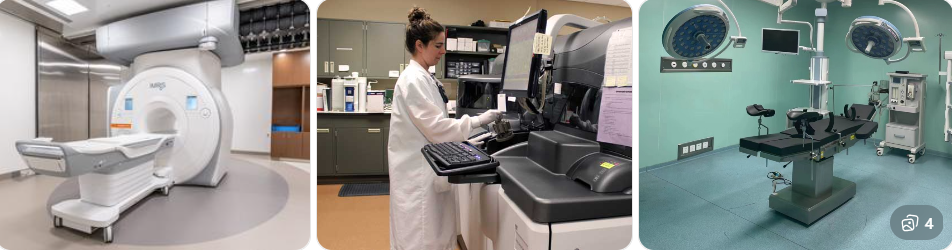
While accreditation focuses on processes and standards, modern infrastructure and equipment support these systems. Hospitals that maintain accreditation invest in:
- diagnostic imaging technology
- laboratory testing facilities
- electronic patient record systems
- modern surgical and monitoring equipment
These tools enable healthcare teams to deliver accurate diagnoses and manage patient care more effectively.
6. Ask About Quality Improvement Programs
High-quality hospitals rarely rely on accreditation alone. They also implement continuous improvement programs that regularly review clinical performance and patient safety. These programs may include:
- internal quality audits
- staff training workshops
- patient safety committees
- regular review of clinical outcomes
Hospitals committed to long-term improvement encourage transparency about how they monitor and improve care systems.
7. Seek Guidance From Trusted Physicians
One of the most reliable ways to evaluate hospital quality is to consult a trusted physician who understands the healthcare landscape.
Doctors who work closely with hospitals know which institutions maintain strong clinical standards, experienced specialist teams, and organized patient systems.
A physician familiar with a patient’s health history can help recommend hospitals that provide appropriate care for specific medical needs.
Accreditation Is Becoming More Important in Africa
Across Africa, healthcare systems are evolving rapidly. Governments, private investors, healthcare organizations, and other stakeholders are working to strengthen medical infrastructure and improve patient safety standards.
As a result, many hospitals are now pursuing formal accreditation programs to demonstrate their commitment to quality care. These programs
- build trust among patients
- attract skilled healthcare professionals
- encourage hospitals to maintain structured safety practices
For patients and families navigating healthcare decisions, accreditation offers an additional layer of reassurance when evaluating hospital options.
ChextrMD Supports Quality Awareness and Continuity of Care
As hospital accreditation becomes more important across Africa, patients are increasingly encouraged to understand how healthcare systems work and how to identify trusted medical facilities.
Accreditation helps verify that hospitals follow recognized standards for safety, clinical processes, and patient care. However, choosing a hospital is only one part of the healthcare journey.
Patients often need ongoing guidance from physicians who understand their personal health history, especially when navigating complex care decisions or specialized treatment options. This is where ChextrMD plays an important supporting role.
😀 Helping Patients Stay Connected With Their Own Doctors
ChextrMD is designed to strengthen communication between physicians and their existing patients, allowing doctors to remain involved in their patients’ health journeys even between hospital visits or procedures.
ChextrMD focuses on supporting continuity of care. Patients maintain direct access to physicians who already know their medical history, lifestyle patterns, and long-term health needs.
This type of ongoing relationship can be valuable when patients are considering hospital options or interpreting healthcare information, including accreditation and quality standards.
😀 Supporting Safer Healthcare Decisions
When patients communicate consistently with their trusted physician, they are better equipped to make informed decisions about their healthcare. Doctors can help interpret medical reports, discuss treatment options, and guide patients through follow-up care.
In a rapidly evolving healthcare environment across Africa—where new hospitals, technologies, and accreditation programs are emerging—this long-term physician partnership helps ensure that patients receive clear guidance and consistent oversight.
😀 Strengthening the Patient–Physician Partnership
Ultimately, hospital accreditation aims to improve safety and trust within healthcare systems. Platforms that support continuity of care complement these efforts by helping patients maintain strong relationships with their doctors over time.
By enabling continuous communication between physicians and their patients, ChextrMD contributes to a healthcare experience that is not only more connected but also personalized and supportive for individuals navigating complex medical decisions.
FAQs About Hospital Accreditation in Africa
Do all hospitals in Africa have accreditation?
Not all hospitals pursue international accreditation, but most facilities must obtain national licensing from government health authorities before operating. Accreditation programs are becoming more common as healthcare systems strengthen.
Does accreditation guarantee perfect care?
No accreditation system can guarantee perfect outcomes. However, accredited hospitals follow structured safety protocols, quality monitoring systems, and standardized procedures that help reduce risks.
Are private hospitals more likely to seek accreditation?
Private hospitals sometimes pursue accreditation to demonstrate quality standards and attract patients. However, public hospitals may also participate in accreditation programs depending on national healthcare policies.
How can patients verify accreditation claims?
Patients can check official websites of accrediting organizations, contact national health authorities, or ask hospitals directly for documentation of their certifications and licensing.
Is accreditation the only factor when choosing a hospital?
No. Accreditation should be considered alongside other factors, including specialist expertise, hospital infrastructure, patient communication, and the availability of long-term follow-up care.
Who accredits hospitals in African countries?
National health authorities and independent accreditation organizations oversee hospital accreditation in Africa.
The Ministries of Health in each country provide licensing and regulatory oversight to ensure hospitals meet basic safety and operational standards.
In addition, some hospitals seek evaluation from regional or international healthcare accreditation bodies that assess patient safety systems, clinical procedures, and quality management practices.
These external reviews help hospitals demonstrate their compliance with recognized healthcare standards. Since accreditation systems vary by country, patients need to ask about government licensing and any additional certifications a hospital claims.
Why are more African hospitals pursuing accreditation today?
Many hospitals across Africa are seeking accreditation as part of broader efforts to improve patient safety, clinical quality, and international credibility.
Accreditation programs encourage hospitals to strengthen systems such as infection control, medical record management, staff training, and emergency preparedness. These improvements can help hospitals deliver more consistent and organized care.
In addition, accredited hospitals may attract skilled medical professionals, partnerships with international healthcare institutions, and patients seeking trusted care within the region.
As Africa’s healthcare sector continues to grow, accreditation is becoming an increasingly important way for hospitals to demonstrate their commitment to high standards.
Make Informed Healthcare Choices 👫👩🏿⚕️
Hospital accreditation plays an important role in helping patients identify facilities that follow recognized standards of safety and quality.
By verifying licensing, checking accreditation bodies, evaluating specialist credentials, and examining hospital systems, patients can make more informed healthcare decisions.
As Africa’s healthcare landscape continues to grow and modernize, accreditation programs will likely become even more important in strengthening trust between hospitals and the communities they serve.
For patients and families, understanding how to evaluate these credentials can provide greater confidence when selecting hospitals that deliver reliable and responsible medical care.