

Across Africa and around the world, many hospitals describe themselves as “Centers of Excellence.” You might see this label on hospital websites, brochures, or signage outside specialized departments.
It sounds impressive—and sometimes it truly reflects outstanding care. But for patients and families trying to choose a hospital, the phrase can also be confusing. Not every “Center of Excellence” means the same thing.
Understanding what the label actually represents can help patients make better healthcare decisions. This article explains what a Center of Excellence is, how hospitals earn the designation, and how patients can evaluate these claims carefully.
It also connects to our cluster discussion on Mapping Top-Tier Hospitals in Africa: 5 Regional Healthcare Hubs You Should Know, which discusses how specialized centers are becoming more common.
What Does “Center of Excellence” Mean?
A Center of Excellence (CoE) usually refers to a hospital department or facility that focuses on a medical specialty and provides high-level expertise, specialized technology, and coordinated care. Common examples include
- heart and cardiovascular centers
- cancer treatment centers
- orthopedic surgery units
- fertility and reproductive medicine clinics
- kidney or dialysis centers
- neurological care centers
Instead of offering only general healthcare services, these centers concentrate resources, specialists, and technology around a specific field.
The goal is to improve patient outcomes by creating teams that handle medical conditions and develop deeper experience over time.
However, it is important to understand that the label itself does not always comply with a single global standard. That is why patients should look beyond the name and evaluate what the hospital actually offers.
1. Check Whether the Center Is Officially Accredited

One of the first things to verify is whether the Center of Excellence has a recognized accreditation. Accreditation means an independent organization has reviewed the hospital or department and confirmed it meets certain quality and safety standards.
Examples of accreditation may come from:
- national health authorities
- medical councils
- independent healthcare quality organizations
- international hospital accreditation bodies
Hospitals that undergo external evaluation typically follow strict guidelines for:
- patient safety
- infection control
- medical documentation
- staff training
- equipment maintenance
If a hospital claims to be a Center of Excellence, it is reasonable for patients to ask who granted that recognition.
2. Evaluate the Experience of the Specialist Team

A true Center of Excellence usually relies on a team of highly trained specialists who focus on the same medical field. For example, a cardiac center might include:
- cardiologists
- cardiac surgeons
- imaging specialists
- specialized nurses
- rehabilitation experts
When these professionals work together regularly, they build deeper expertise and more refined treatment approaches. Centers that have managed several cases often develop stronger experience and coordination. Patients may want to ask questions such as:
- How long has the team been performing this type of treatment?
- Do the doctors specialize specifically in this field?
- How frequently does the hospital perform these procedures?
3. Look for Advanced Diagnostic and Treatment Technology
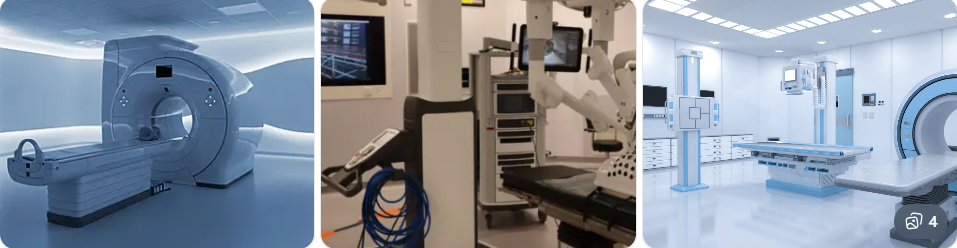
Specialized care usually requires advanced diagnostic tools and treatment equipment. A genuine Center of Excellence often invests in modern technology such as
- advanced imaging systems
- specialized laboratory testing
- precision surgical equipment
- intensive monitoring systems
These tools help doctors diagnose conditions and monitor patients during treatment and recovery. However, technology alone does not define excellence. It must be supported by trained professionals who know how to use these tools effectively.
4. Assess the Hospital’s Care Coordination Systems
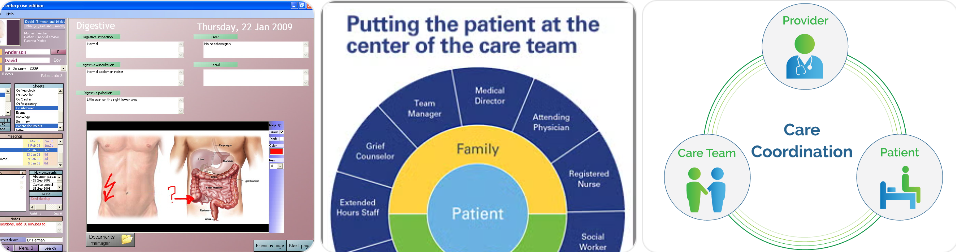
Strong Centers of Excellence also focus on organized care coordination. This means that patient information flows smoothly between departments and specialists. Electronic patient records, scheduling systems, and coordinated care teams help ensure:
- test results reach doctors quickly
- specialists can collaborate easily
- treatment plans remain consistent
Good coordination also supports continuity of care, allowing physicians to track health progress over time rather than treating each visit as an isolated event. Hospitals that manage patient information effectively often provide a smoother healthcare experience.
5. Review the Hospital’s Reputation and Patient Experience

Patient experience is another important indicator of a hospital’s quality. Hospitals that truly function as Centers of Excellence usually emphasize:
- respectful communication
- clear explanations of medical options
- supportive nursing care
- organized patient services
Patients and families often notice the difference when a hospital prioritizes comfort and clarity alongside clinical expertise.
While online reviews should be interpreted carefully, recommendations from trusted physicians or other patients can sometimes offer helpful insights into a hospital’s reputation.
6. Consider the Range of Services Offered
A strong Center of Excellence typically provides comprehensive services within its specialty. For example, a cancer center might offer:
- diagnostic imaging
- biopsy services
- chemotherapy facilities
- surgical oncology
- rehabilitation and support services
Providing multiple services helps reduce the need for patients to travel between different facilities. It also improves communication between healthcare teams involved in the same case.
7. Ask How the Hospital Supports Long-Term Patient Care
Finally, patients should consider how a hospital supports long-term care and follow-up. Many conditions require ongoing monitoring rather than a single treatment.
A well-structured Center of Excellence usually provides systems that help patients stay connected with their physicians over time. These systems may include:
- scheduled follow-up appointments
- coordinated specialist consultations
- organized patient records
- long-term health monitoring
When hospitals support continuity of care, patients benefit from consistent medical guidance and a deeper understanding of their health history.
Centers of Excellence Are Becoming More Common in Africa
Across Africa, many hospitals are developing specialized departments in particular medical fields. These Centers of Excellence help concentrate resources, training, and equipment to improve clinical expertise.
Cities in countries such as South Africa, Kenya, Nigeria, Ghana, and Rwanda are gradually developing specialized centers for areas like cardiology, orthopedics, fertility services, and diagnostic medicine.
This trend is part of a broader effort to strengthen healthcare systems across the continent and provide patients with more advanced care options within Africa.
Role of ChextrMD in Africa’s Healthcare Development
As more world-class hospitals and specialized centers emerge across Africa, patients are gaining better access to modern medical facilities and skilled specialists.
Yet even with these improvements, one important challenge remains: maintaining consistent communication and guidance between patients and their trusted physicians over time.
Healthcare does not happen only during hospital visits. Many health concerns require ongoing monitoring, regular check-ins, and thoughtful follow-up after appointments, procedures, or test results. This is where continuity of care becomes essential.
Supporting the Patient–Physician Relationship
ChextrMD was designed to strengthen the relationship between physicians and their existing patients. Rather than replacing in-person visits or traditional hospital care, it supports continuous guidance and oversight between appointments.
For many busy professionals and families, staying connected with their physician can be challenging due to work schedules, travel, or long gaps between visits. ChextrMD helps patients to remain in contact with doctors who already know their medical history.
This type of connection supports more consistent follow-up and enables physicians to stay aware of important changes in a patient’s health journey.
Complementing Africa’s Growing Healthcare Ecosystem
As Africa’s network of leading private hospitals continues to grow, platforms that support long-term patient engagement can help strengthen the overall healthcare experience.
Hospitals provide the facilities, equipment, and specialist teams needed for treatment, while continuity-focused tools help maintain communication and guidance over time.
For patients who value personalized care and long-term health partnerships with their doctors, this approach offers a more complete model of healthcare—one that combines advanced medical facilities with consistent physician oversight.
In a healthcare environment that is becoming more sophisticated across Africa, maintaining strong relationships between patients and trusted physicians remains one of the most powerful ways to support safe and effective care over the long term.
FAQs About “Centers of Excellence” in Hospitals
Does the label “Center of Excellence” always mean the hospital is the best?
Not necessarily. The term can be used in different ways by the hospital or healthcare system. Patients should examine factors such as accreditation, specialist expertise, technology, and patient care systems before making decisions.
Why do hospitals create Centers of Excellence?
Hospitals develop these centers to concentrate expertise and resources in specific medical fields. This approach can improve coordination among specialists and strengthen experience in treating particular conditions.
Why are “Centers of Excellence” becoming more common in African hospitals?
Many hospitals across Africa are developing specialized departments to strengthen expertise in specific areas of medicine.
By concentrating specialists, equipment, and training in one department, hospitals can build deeper experience and improve coordination among medical teams.
This approach helps institutions manage complex conditions more effectively while also reducing the need for patients to travel long distances for specialized services.
As a result, Centers of Excellence are becoming an important part of Africa’s evolving healthcare landscape.
Should patients rely only on the label when choosing a hospital?
No. The label should be considered alongside other factors like safety standards, specialist experience, hospital infrastructure, and the quality of communication between doctors and patients.
Are Centers of Excellence in Africa recognized internationally?
Some Centers of Excellence in Africa are recognized by national health authorities or accredited by international healthcare organizations. However, recognition can vary depending on the hospital and the country’s regulatory system.
Patients who are considering treatment at a specialized center should feel comfortable asking about accreditation, partnerships with international medical institutions, and the experience of the medical team.
These details can help provide a clearer picture of the hospital’s capabilities and standards.
Look Beyond the Label
The term “Center of Excellence” can signal a hospital’s commitment to specialized care, but the label alone does not guarantee quality.
Patients benefit most when they look deeper—examining the medical team’s expertise, the technology, the organizational structure of care systems, and the hospital’s reputation for patient-centered treatment.
As healthcare systems across Africa continue to evolve, specialized centers will likely play an increasingly important role in delivering advanced medical care.
By understanding what these labels truly represent, patients can make more informed decisions and choose hospitals that provide not only treatment but also trusted long-term healthcare guidance.