

Many adults in African cities feel upper stomach pain after eating at some point: you finish a meal, and soon after, there is burning, tightness, or pain in the upper part of your stomach. Sometimes it feels like gas. Sometimes it feels like an “ulcer.” Sometimes it comes with bloating or a sour taste in the mouth.
Upper stomach pain after eating is common, but it is not always caused by the same thing. In African settings, this type of pain is due to diet patterns, meal timing, heat exposure, infections, and stress from work conditions.
While some causes are simple and pass with small changes in diet and habits, others point to ulcer disease, gallbladder problems, or more serious issues that should never be ignored.
This guide explains common causes of upper stomach pain after eating in adults, warning signs, and how working with your doctor can help you make safe decisions.
Where Is “Upper Stomach” Pain?
“Upper stomach” usually means pain: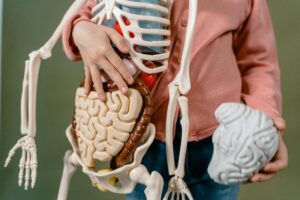
- just below the ribs in the middle (breastbone)
- under the right ribs
- under the left ribs
This area includes:
- upper part of the stomach
- first part of the small intestine
- liver and gallbladder (toward the right)
- pancreas (deep in the middle)
Pain often starts during or shortly after meals and may feel like:
- burning
- pressure or fullness
- sharp or stabbing pain
- deep aching discomfort
Pain from the chest or heart can also be felt in this region, so it is important not to ignore severe or unusual pain. The timing of pain is an important clue your doctor will use.
Common Mild Causes of Upper Stomach Pain After Eating
1. Indigestion and Gas (dyspepsia)
Indigestion is a common cause. It causes discomfort during digestion without a clear diagnosis at first. It can happen when you:
- eat too fast
- eat large portions
- take heavy, oily, or spicy meals
- drink fizzy drinks with meals
- emotional stress
You may notice:
- fullness and discomfort
- bloating
- burping
- mild burning or cramping high in the abdomen
Pain often improves after some time, passing gas, or a trip to the toilet.
2. Acid Reflux and Heartburn (GERD)
Acid reflux happens when stomach acid flows up into the chest area. It is common in African adults:
- spicy or pepper-heavy meals
- fried and oily foods
- late-night eating after long workdays
- coffee or alcohol intake
- smoking
Signs include:
- burning pain behind the breastbone or in the upper stomach
- sour or bitter taste in the mouth
- pain that worsens when lying down after eating
3. Ulcer-Related Upper Stomach Pain
Ulcers are sores in the lining of the stomach or the upper intestines. This is a common topic in African workplaces and homes due to:
- high rates of Helicobacter pylori infection

- frequent use of painkillers (NSAIDs)
- stress and smoking
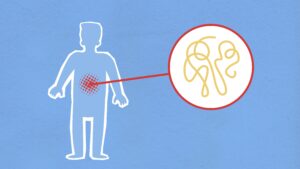
Typical ulcer-type pain can feel like:
- burning or gnawing pain in the upper stomach after eating or hours later
- pain that may improve after a meal but return when the stomach is empty
- Bloating and nausea
- night pain that wakes you up
Sometimes eating triggers pain if the ulcer is in a certain location. At other times, the pain eases after food. Warning signs that ulcer disease may be serious include:
- vomiting blood or dark material
- black, tar-like stool
- sudden sharp pain that does not go away
- unplanned weight loss
If you have repeated upper stomach pain after eating and suspect an ulcer, you should discuss this with your doctor. A guide on ulcer symptoms in adults can help you understand the patterns and common tests.
4. Gallbladder and Bile Duct Problems
The gallbladder stores bile, which aids in the digestion of fats. Problems often show up after eating fatty meals. The gallbladder squeezes to release bile into the gut. Common triggers are
- fried food
- meat-heavy meals
- fast food
Gallbladder or bile duct problems can cause:
- pain in the upper right or middle abdomen after eating, especially after fatty foods
- pain that may spread to the right shoulder or back
- nausea or vomiting
Gallbladder pain should not be ignored, especially if severe. These problems can become serious and require medical evaluation and sometimes surgery. If the bile ducts are blocked or infected, you may also see:
- yellow eyes or skin
- dark urine
- fever and chills
5. Pancreatic Irritation (less common, more serious)
The pancreas sits deep in the upper abdomen, behind the stomach. It aids digestion and controls blood sugar. Inflammation of the pancreas (pancreatitis) is serious and requires hospital care. It can be linked to heavy alcohol use, gallstones, or high fat in the blood, among other causes. It can cause:
- severe upper abdominal pain
- pain that may go through to the back
- nausea and vomiting
- pain worsens when lying flat
- fever
This needs urgent medical assessment.
6. Food Intolerance
Some people struggle to digest certain foods. Common examples are
- lactose intolerance (milk, yoghurt)
- fat intolerance
- certain grains or processed foods
Your doctor can help identify triggers safely. It can cause:
- pain soon after eating
- bloating and gas
- loose stools
Upper Stomach Pain After Eating Could Be Heart-Related
 Sometimes pain from the heart is felt as upper stomach or chest pain. These signs, especially in older adults or those with diabetes or high blood pressure, may point to a heart problem. This is an emergency. Warning signs include:
- tightness, pressure, or squeezing in the chest or upper stomach
- pain that spreads to the arm, neck, or jaw
- shortness of breath
- sweating, nausea, or feeling faint
When to Call Your Doctor or Seek Emergency Care
You should seek urgent in-person care if upper stomach pain after eating is accompanied by:
- sudden, severe pain
- pain with vomiting blood or dark material
- black, tar-like stool
- yellow eyes or very dark urine
- high fever with chills
- pain that makes it hard to breathe or move
You should speak with your doctor soon (the same day or the next day) if:
- pain after meals keeps returning
- you are losing weight without trying
- pain wakes you from sleep
- pain is linked to long-term use of painkillers
Doctors Evaluate Upper Stomach Pain
Diagnosis is based on patterns, not guesswork. Your doctor may use:
- detailed history (meal timing, foods, stress)
- physical examination
- blood tests
- stool tests
- ultrasound or other imaging
Safe Home Steps for Mild Upper Stomach Pain After Eating
If your pain is mild and there are no danger signs, your doctor may not advise urgent review. Use only medicines your doctor has prescribed. Do not start and stop random ulcer or pain medications without medical guidance—this can hide important clues. You can:
- rest, especially in hot weather
- drink boiled or treated water
- eat smaller, more frequent meals
- eat light foods (porridge, rice, bananas)
- avoid very fatty, spicy, oily, or fried foods
- sit upright for at least 30 minutes after meals
- avoid lying flat straight after eating
- limit alcohol and stop smoking if possible
If pain does not improve, contact your doctor. Do Not:
- take random antibiotics
- use herbal mixtures
- give yourself injections
- keep increasing painkillers
The Big Picture: Stomach Pain Causes in Adults
Upper stomach pain after eating is one specific pattern within the wider group of stomach pain causes in adults. Our main guide on stomach pain causes in adults can help you understand:
- different pain locations
- common causes in African adults
- general emergency signs
This focused article looks only at pain after eating that affects the upper stomach, helping you and your doctor think more clearly about possible triggers.
Why Ongoing Contact With Your Own Doctor Matters
Upper stomach pain can be similar across many conditions, but it can change over time. Some causes are simple. Others need tests or follow-up. Having a regular doctor or clinic that knows your history can make care safer. Your doctor can:
- Review a simple food and symptom diary over days or weeks.
- Detect links between certain foods, meal times, and your pain.
- Decide which tests, if any, are needed.
- Help you adjust your meals and habits safely.
- Follow your response to any treatment rather than leaving you on your own.
Some doctors also use secure digital tools to stay in touch with their patients between visits for non-emergency questions. These tools do not replace in-person examinations or emergency care when needed, but they can support continuity of care.
Frequently Asked Questions
Is upper stomach pain after eating serious?
Sometimes yes. Occasional mild discomfort may be harmless, but repeated or worsening pain should be checked.
Can heat make stomach pain worse?
Yes. Heat increases dehydration, which can worsen acid reflux, cramps, and irritation.
Should I stop eating if upper stomach pain happens?
Avoid heavy meals, but do not starve yourself. Eat small, gentle foods and seek medical advice.
When should I call my doctor?
If pain lasts more than a day or two, returns often, or causes concern, call your doctor.
Listen to the Pattern, Not Just the Pain

Upper stomach pain after eating is your body’s way of sending a message. It is common, but it is not always harmless. Sometimes it’s small. Sometimes it’s a warning. In African settings—with heat, food safety challenges, infections, and demanding work—early attention matters.
It may be simple indigestion, but it can also signal ulcers, gallbladder disease, pancreatic problems, or even heart issues. You do not need to guess alone.
- Notice when the pain happens and what you ate.
- Watch for warning signs.
- Use gentle home steps only when pain is mild.
- Share a clear description and, if possible, a short diary with your doctor.
If upper stomach pain after eating keeps coming back, worsens, or makes you uneasy, reach out to your doctor early.
Care guided by someone who knows you is always the safest path.