
Month-to-Month Trends Matter More Than Single Blood Pressure Readings
Blood pressure management fails most often not because clinicians lack data, but because data are interpreted out of context.
A single high reading can trigger anxiety, unnecessary medication changes, or referrals.
A single normal reading can falsely reassure.
Trends across months tell the real story.
Tracking blood pressure longitudinally allows clinicians to:
- distinguish noise from signal
- identify slow deterioration early
- avoid overtreatment
- match therapy intensity to true risk
For patients with hypertension—especially those with comorbid diabetes, asthma, or cardiovascular risk—trend-based interpretation is safer, calmer, and more effective.
This article focuses on how clinicians should track, interpret, and act on blood pressure trends across months within the continuity of care framework.
Single Blood Pressure Readings Mislead Clinicians
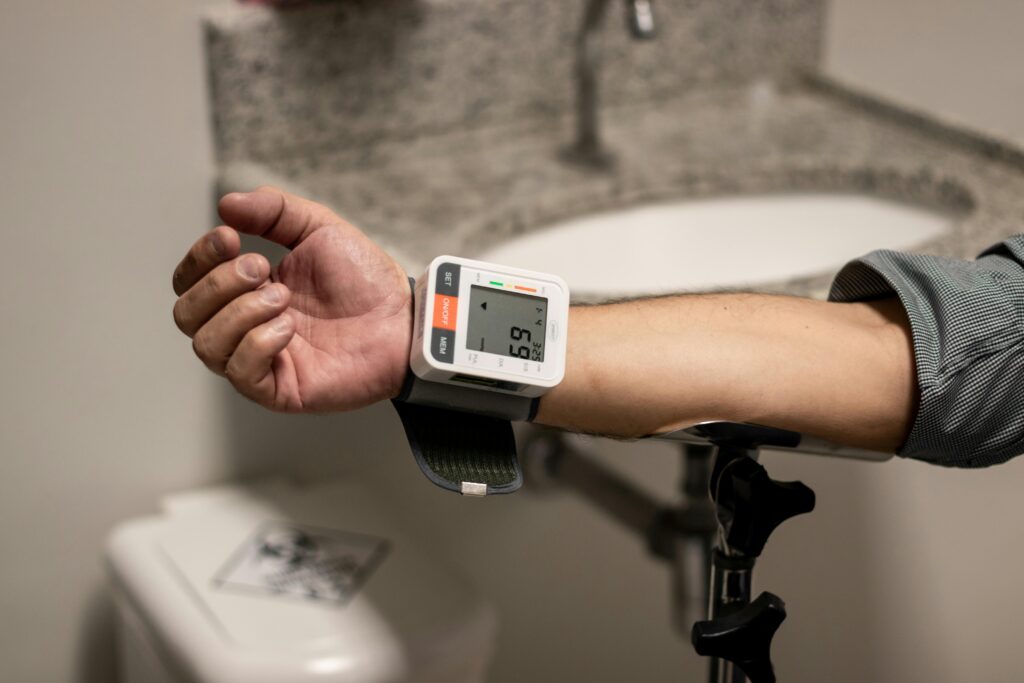
Blood pressure is biologically variable. It fluctuates with:
- time of day
- stress
- pain
- sleep quality
- physical activity
- illness
- measurement technique
A clinic reading reflects a moment, not a baseline. Month-to-month trend tracking smooths this variability and reveals what is truly happening. Relying on single readings increases the risk of:
- white coat hypertension is being misclassified as uncontrolled BP
- masked hypertension is being missed
- over-escalation of therapy
- patient disengagement due to frequent changes
Clinical Value of Longitudinal Blood Pressure Trends
When clinicians review blood pressure across months, they gain three critical insights:
1. Direction
Direction matters more than absolute value in many cases. A gradual upward drift over six months often predicts future complications better than a single high number. Blood pressure may be:
- rising slowly
- stable
- improving after an intervention
2. Variability
High variability itself is associated with worse cardiovascular outcomes. Continuity allows clinicians to notice this pattern and respond appropriately. Blood pressure may be:
- consistently elevated
- highly variable
- stable within a narrow range
3. Response to intervention

Without trends, clinicians are guessing. Trend tracking shows:
- lifestyle advice worked
- medication changes had the intended effect
- adherence is likely or questionable
Recommended Approaches to Monthly Blood Pressure Tracking
1. Use Structured Monitoring Periods, Not Endless Daily Checks
Best practice is episodic home monitoring, such as:
- twice daily readings for 5–7 days
- repeated every 4–8 weeks
- reviewed by the same clinician or care team
This approach:
- reduces patient anxiety
- improves data quality
- supports trend analysis
Endless daily monitoring often increases noise and reduces adherence.
2. Standardize the Technique to Protect Trend Validity
Trend analysis only works if the technique is consistent. Inconsistent technique creates false trends. Clinicians should ensure patients:
- use validated devices
- sit quietly for 5 minutes
- use the same arm
- measure at similar times of day
Visualize Blood Pressure Trends Effectively
Clinicians should aim for simple visual summaries rather than raw data dumps. The goal is pattern recognition, not statistical perfection. When possible, summaries should be visible to the clinician and the patient. Useful formats include:
- monthly average systolic and diastolic values
- rolling 3-month averages
- graphs showing direction rather than every point
Shared understanding improves adherence.
Interpreting Common Blood Pressure Trend Patterns
Pattern 1: Stable but above target
This suggests:
- true uncontrolled hypertension
- adequate adherence
- insufficient treatment intensity
Action: Consider stepwise adjustment, guided by overall cardiovascular risk.
Pattern 2: Gradual upward drift

Often linked to:
- weight gain
- reduced activity
- medication fatigue
- life stressors
Action: Early intervention may prevent the need for additional medications later.
Pattern 3: High variability with normal averages
Possible causes:
- stress reactivity
- poor measurement technique
- intermittent non-adherence
Action: Address behavior and context before escalating treatment.
Pattern 4: Declining blood pressure with symptoms
This may signal:
- overtreatment
- drug interactions
- dehydration or illness
Action: Trend review prevents harm by prompting timely de-escalation.
Continuity of Care is Essential for Trend Interpretation
Blood pressure trends are not just numerical. They are contextual. Continuity allows the clinician to remember:
- past medication responses
- prior side effects
- baseline readings before treatment
- patient-specific stressors
A clinician seeing a patient once may see “140/90.”
A clinician who has followed the patient for years sees:
“This is 15 points higher than their usual six-month average.” That difference changes decisions.
Avoiding Overtreatment Through Trend Awareness
One of the biggest risks in hypertension care is treating numbers instead of patients. Trend-based care helps clinicians:
- avoid chasing single spikes
- prevent hypotension in older adults
- reduce falls and syncope
- maintain patient trust
Continuity plus trends equals restraint. This is especially important in patients with:
- diabetes
- chronic kidney disease
- polypharmacy
Special Populations: Trend Tracking Is Even More Critical
👨🦽➡️ Older adults: Blood pressure targets must balance:
- stroke prevention
- fall risk
Month-to-month trends help clinicians adjust safely.
🧖♂️ Patients with diabetes: Blood pressure control strongly affects:
- renal outcomes
- cardiovascular risk
Trends allow clinicians to integrate BP control with glycaemic management, rather than treating each in isolation.
🗣 Patients with asthma: Some antihypertensive medications may affect asthma control. Longitudinal oversight helps clinicians balance respiratory and cardiovascular needs without frequent disruptions.
Integrating Blood Pressure Trends Into Clinical Decision-Making
Not every trend requires immediate change. Sometimes, watchful continuity is the safest option. Clinicians should ask three questions at each review:
- Is the trend changing meaningfully?
- Does this align with the patient’s symptoms and context?
- Is action needed now, or can we observe safely?
Role of Team-Based Care in Trend Monitoring
Nurses and care coordinators can:
- compile monthly summaries
- flag concerning patterns
- confirm adherence and technique
Physicians then focus on:
- interpretation
- risk assessment
- treatment decisions
This preserves efficiency without losing clinical ownership.
Technology: Useful Servant, Poor Master
Dashboards without continuity create alarm fatigue. Trend data must remain embedded in relationship-based care. Digital tools can assist trend tracking, but only if:
- data flows to the patient’s known clinician
- alerts are clinically meaningful
- noise is filtered
Communicating Trends to Patients
Patients understand trends better than isolated numbers. Effective explanations include:
- “Your average BP has been slowly rising over the last 4 months.”
- “Your readings are stable compared to last quarter.”
- “The medication change brought your numbers down safely.”
Patients who understand trends participate better in care. This:
- builds trust
- improves adherence
- reduces anxiety
Common Clinician Pitfalls in Blood Pressure Trend Tracking
- Overreacting to one abnormal week
- Ignoring slow deterioration
- Failing to document the baseline clearly
- Switching clinicians frequently without a handover
All are minimized by continuity.
Trend Tracking Supports Continuity-Based Care Models
Trend tracking aligns perfectly with continuity-focused care systems, where clinicians maintain oversight between visits rather than reacting episodically. It reinforces:
- long-term clinician ownership
- safer medication management
- better outcomes with fewer disruptions
ChextrMD Model Supports Blood Pressure Trend Tracking in Real-World Practice
The ChextrMD model supports blood pressure trend tracking by strengthening continuity between clinicians and their known patients, rather than introducing disconnected monitoring workflows.
In many African clinical settings where follow-up visits may be spaced weeks or months apart, ChextrMD enables physicians to
- maintain ongoing oversight of BP trends between visits
- review structured home or clinic readings in context
- provide timely guidance without fragmenting care
By supporting secure, documented communication and monitoring oversight within an established doctor–patient relationship, ChextrMD helps clinicians interpret BP trends safely over time—reducing overreaction to single readings while ensuring early action when true deterioration appears.
This approach is foundational to the broader framework discussed in our main article on Monitoring Hypertension, Diabetes, and Asthma: 3 Conditions Where Continuous Care Prevents Silent Crises
FAQs: Tracking Blood Pressure Trends Across Months
Q1: Why are month-to-month blood pressure trends more useful than single clinic readings?
In many African settings, blood pressure is often measured:
- during busy clinic days
- after long waiting times
- patients are anxious, tired, or in pain
These conditions commonly produce artificially high readings. Month-to-month trends help clinicians:
- see beyond one stressful clinic visit
- identify true hypertension versus situational elevation
- make safer treatment decisions
Trend review is important when clinic visits are infrequent or irregular.
Q2: How long is enough to establish a reliable blood pressure trend?
In most patients, 3-6 months of structured readings is sufficient. This does not require daily monitoring. Even with limited visits, trend tracking is possible if monitoring is planned and intentional. A realistic approach in African practice is:
- short monitoring periods (5–7 days)
- repeated every 1–2 months
- reviewed by the same clinician or care team
Q3: What is the most practical way to structure home blood pressure monitoring?
The most practical and safe method is episodic monitoring rather than continuous daily checks. A workable plan:
- morning and evening readings
- 5–7 consecutive days
- using the same device if possible
Where home devices are unavailable:
- community clinics
- pharmacies
- outreach or chronic care days
Consistency matters more than location.
Q4: What is the safest takeaway for African clinical practice?
Blood pressure control is a long journey, not a single visit. Tracking trends across months:
- improves accuracy
- reduces harm
- fits real-world African practice
When combined with continuity of care, even simple monitoring methods can prevent strokes, heart failure, and kidney disease.
Q5: What do national hypertension guidelines in African countries recommend about blood pressure measurement?
Not all African countries have detailed national hypertension guidelines, where they exist—South Africa, Kenya, Ghana, and Nigeria—they generally align with practical, evidence-based approaches to hypertension detection and management, including consistent blood pressure measurement.
Guidelines emphasize correct technique, repeated measurements to confirm diagnosis, and interpretation in the context of cardiovascular risk rather than single office readings.
Because only a minority of African countries have national guidelines, many adapt regional frameworks such as the Pan-African Society of Cardiology (PASCAR) recommendations and the WHO HEARTS technical package to local circumstances.
Q6: How frequently should blood pressure be checked according to available African practice guidelines?
Most African clinical practice recommendations (including PASCAR expert opinion) support multiple measurements over time to establish a pattern before starting long-term treatment — ideally with repeated readings across separate clinic visits.
Where feasible, home blood pressure monitoring (HBPM) is recommended as part of follow-up, but clinicians recognize barriers such as limited access to validated home devices and training.
A pragmatic rule that many national policies and expert statements support is:
- monthly checks after medication adjustments until goals are reached
- once stable, every 3–6 months, tailored by risk
This aligns with WHO-guided practices and adapted approaches in many African health contexts.
Q7: What target blood pressure goals are generally used in African guidelines?
Regional expert recommendations often use targets similar to WHO standards, including:
- <140/90 mmHg for most adults
- <130/80 mmHg in selected high-risk patients (if tolerated)
In older adults or those with frailty, a target nearer <140/90 mmHg may be more appropriate.
Because many local guidelines are adaptations of WHO/International Society of Hypertension recommendations, these pragmatic targets are commonly accepted in practice even where formal national documents are lacking.
Q8: How often should uncontrolled blood pressure be reassessed before changing treatment?
Regional expert guidance suggests:
- every 4–6 weeks after treatment changes
- less frequent intervals once control is stable
Numerous African national strategies respond to local constraints by emphasizing this measured, trend-aware approach to escalation—especially where resources for rapid follow-up are limited.
Key Takeaways for Clinicians
✅ Blood pressure trends across months matter more than single readings
✅ Structured monitoring beats constant checking
✅ Continuity is essential for safe interpretation
✅ Trend awareness reduces overtreatment and harm
✅ Patients engage better when trends are explained
Connecting Guideline Realities With Clinical Practice
In many African countries:
💠National hypertension guidelines may exist, but are often adapted from regional or international recommendations.
💠Trend tracking over months is considered a practical way to monitor blood pressure where frequent visits or home devices are limited.
💠Clinicians are encouraged to use repeated standardized measurements and build continuity into follow-up plans.
Trends Turn Data Into Clinical Wisdom 

Hypertension is not a momentary condition.
It is a long story.
Tracking blood pressure across months allows clinicians to read that story clearly— understanding direction, variability, and response to care. When trend tracking is combined with continuity of care, clinicians make fewer reactive decisions and more protective ones.
Numbers become insight. Insight becomes prevention.