Hidden Economics of Smaller Patient Panels in African Clinics

hospital reputation

“Busy” Clinics Still Struggle Financially Many clinics across Africa are busy every day. Waiting rooms are full. Doctors are rushed. Staff are overwhelmed. Yet at the end of the month, profits feel thin, and stress feels high. This creates confusion. If demand is strong, why does the clinic still feel financially fragile? The answer often … Read more

Volume to Value is Reshaping African Medical Practice: Push for a Smooth Transition

asthma or infection

When “Busy” Stops Meaning Successful For many doctors across Africa, a full waiting room once felt like success. Long queues meant demand. Busy days mean relevance. But over time, something changes. Doctors feel exhausted. Staff feel tense. Patients feel rushed. Follow-ups slip. Trust quietly weakens. This is the moment many doctors reach a hard truth: … Read more

9-Point Guide in Calculating Ideal Panel Size for Premium Care in African Medical Practice

asthma symptom

Bigger Panels Feel Busy—Not Better Many doctors in Africa ask the same question quietly: “How many patients should I really be responsible for?” There is no single magic number. But there is a safe range—and crossing it often leads to rushed care, missed follow-ups, staff stress, and burnout. Premium care is not about seeing everyone. … Read more

Fewer Patients Can Mean Better Outcomes in African Medical Practice

patient update

The Myth of “More Patients = Better Care” In many African clinics, success is often measured by one thing: how many patients are seen in a day. A full waiting room looks like proof of demand. Long queues feel important. Busy days are worn as a badge of honor. But beneath the surface, something else … Read more

Smaller Panels, Higher Value—How African Clinics Deliver Premium Care by Focusing on Fewer Patients

hypertension diabetes and asthma

Why Less Can Be More in African Medical Practices Many doctors think that building a “successful practice” means seeing as many patients as possible. More patients = more revenue, right? Not always. In Africa, where urban clinics can feel chaotic, and families demand personalized guidance, the real growth comes from smaller panels—the fewer patients you … Read more

Symptom Tracking vs Wearable Data: 6 Aspects to Consider for Real Medical Decisions

symptom tracking

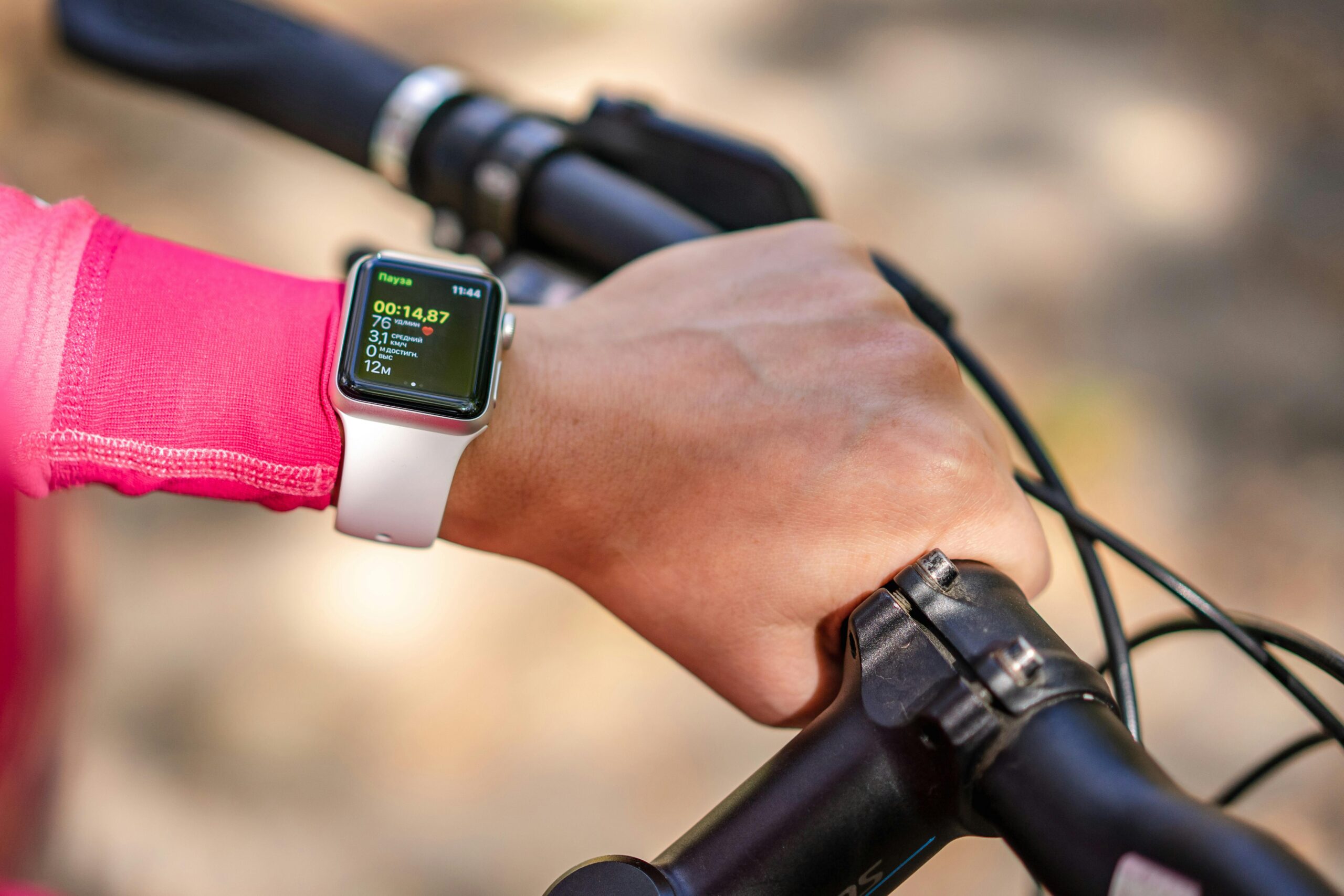
Wearable devices and health apps promise numbers, graphs, and alerts—while symptom tracking relies on simple notes about how you feel. Many people wonder which matters more and whether one can replace the other. The short answer: neither works well on its own. For doctors, the most useful insight comes from combining symptom tracking with relevant … Read more

Sharing Symptom Logs With Your Doctor: A Practical Guide for African Settings

patient update

Timing, Safety, and Clarity in African Healthcare Symptom logs are powerful tools—but only when they are shared at the right time, in the right way, and with the right clinician. Many people track symptoms diligently but are unsure when to escalate, how to summarize, or whether their doctor even wants to see the data. In … Read more

Tracking Headaches, Palpitations, and Dizziness: 3 Simple Logs Help Your Doctor Act Earlier

headaches palpitations and dizziness

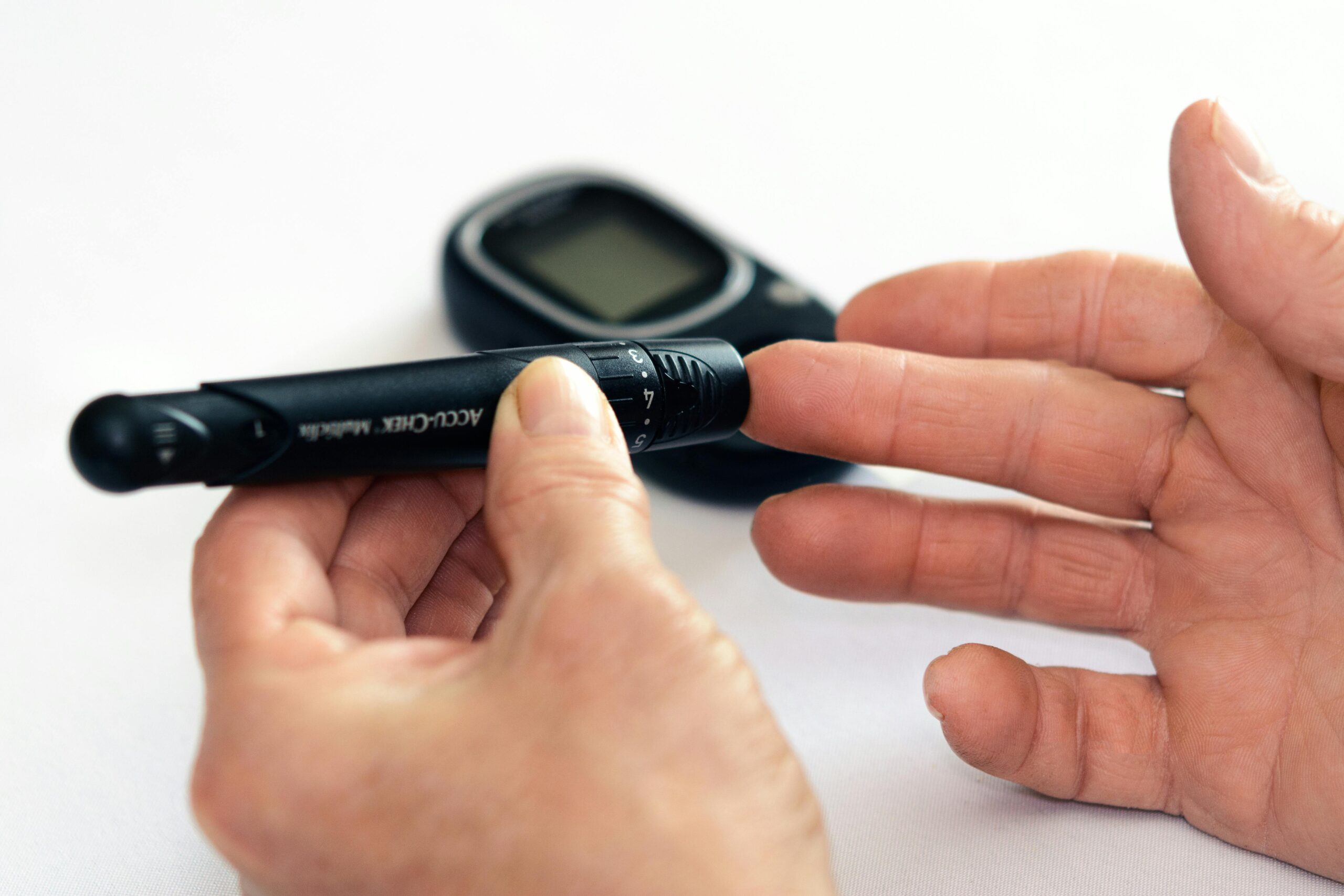
A Practical Guide for Safer, Faster Care Headaches, palpitations, and dizziness are common—and often frustrating. They may come and go, appear normal one day and worry the next. Because they are intermittent, they are easy to forget or describe vaguely during appointments. Simple, consistent tracking helps your doctor see patterns, rule out serious causes, and … Read more

Daily Logs Help Your Doctor See Patterns: A Simple Tool That Improves Care

infection control

How Daily Health Logs Help Your Doctor See Patterns Early (Without Extra Clinic Visits) Many health problems aren’t evident during a short clinic visit. Daily health logs—simple notes about symptoms, habits, and how you feel—help your doctor see patterns that memory alone often misses. For busy people, daily logs turn scattered experiences into useful clinical … Read more

Symptom Tracking for Chronic Conditions: How Busy People Stay Stable, Informed, and in Control

stress management

How Busy Adults Monitor Health Changes Without Daily Stress Living with a chronic condition while managing work, family, travel, and social obligations can feel overwhelming. Symptoms rarely appear neatly during short clinic visits. Symptom tracking helps you and your doctor see patterns over time, act earlier, and reduce unnecessary visits — without turning your life … Read more