7 Powerful Lifestyle Habits That Reduce Disease Risk in African Adults: Simple Daily Choices Strengthen Families

africa's top 5%

Small Daily Habits, Big Lifetime Impact  Many of the most serious diseases affecting African adults today do not appear overnight. They build slowly. High blood pressure. Type 2 diabetes. Heart disease. Stroke. These conditions are strongly linked to daily lifestyle habits. The good news? Small, consistent habits can significantly reduce disease risk over time. This … Read more


Recurring Colds Without Fever in African Children: 5 Reasons Why It Happens and When to Monitor Closely

colds without fever

Your child has a runny nose again. Maybe a mild cough. Sneezing. But no fever. A few weeks later, it happens again. Many African parents ask: “Why does my child keep getting colds without fever?” “Is something wrong with their immunity?” In most cases, recurring colds without fever are not dangerous. But patterns matter. Environment … Read more

When Child’s Cough Suggests Asthma or Infection: Warning Signs African Parents Should Know

balance access

Most coughs in children are mild. They come with colds. They pass in a few days. Life moves on. But sometimes a cough begins to follow a pattern. It lasts longer. It returns often. It sounds different. Parents start to wonder: “Could this be asthma?” “Is this more than just a cold?” In Africa, a … Read more

Nighttime Cough and 7 Possible Triggers in African Children: Why it Happens and When to Worry

symptom monitoring

Few things worry parents more than a cough that starts—or worsens—at night. A child who seems fine during the day may begin coughing once the lights go off. Sleep is disrupted. Parents lie awake listening, wondering if something is wrong. In African settings, nighttime cough is common. Dust, dry air, humidity, smoke exposure, infections, and … Read more

Dry vs Wet Cough in African Kids: How Parents Tell the 4 Differences and Monitor Safely

dry vs wet cough

When a child starts coughing, most parents ask one simple question: “Is this cough dry or wet?” In African homes, where dust, humidity, smoke, and seasonal illnesses all affect breathing, dry vs wet cough matters. Dry and wet coughs often come from different causes, behave differently, and need different kinds of attention—not panic, not guessing, … Read more

Recurring Cough, Cold, and Respiratory Issues in African Children: 4-Point Guide for Safe Monitoring

recurring cough

Recurring coughs and colds are part of childhood. In African homes, they can feel almost constant—one child gets better, another starts coughing, then the cycle repeats. Dusty seasons, school exposure, humidity, cooking smoke, and changing weather all play a role. Most of the time, these breathing issues are mild. But when coughs and colds keep … Read more

How Doctors Interpret Monitoring Data Safely: When to Act and When to Wait

monitoring data

Data is Common, Judgment is Rare Modern clinical care produces monitoring data. Blood pressure readings. Glucose logs. Asthma symptom diaries. Peak flows. Reliever counts. Yet most clinical errors do not come from missing data. They come from misinterpreting data. Doctors are not trained to react to every number. They are trained to decide when data … Read more

Asthma Symptom Diaries and Trigger Mapping: A Practical Guide for Long-Term Control

asthma symptom

Asthma Control Often Fails Between Visits Asthma is rarely uncontrolled because medication does not work. It is often uncontrolled because patterns are missed. Many patients report: “I only get symptoms sometimes.” “My asthma is usually fine.” “It just flares without warning.” In reality, asthma flares are rarely random. Asthma symptom diaries and trigger mapping help … Read more

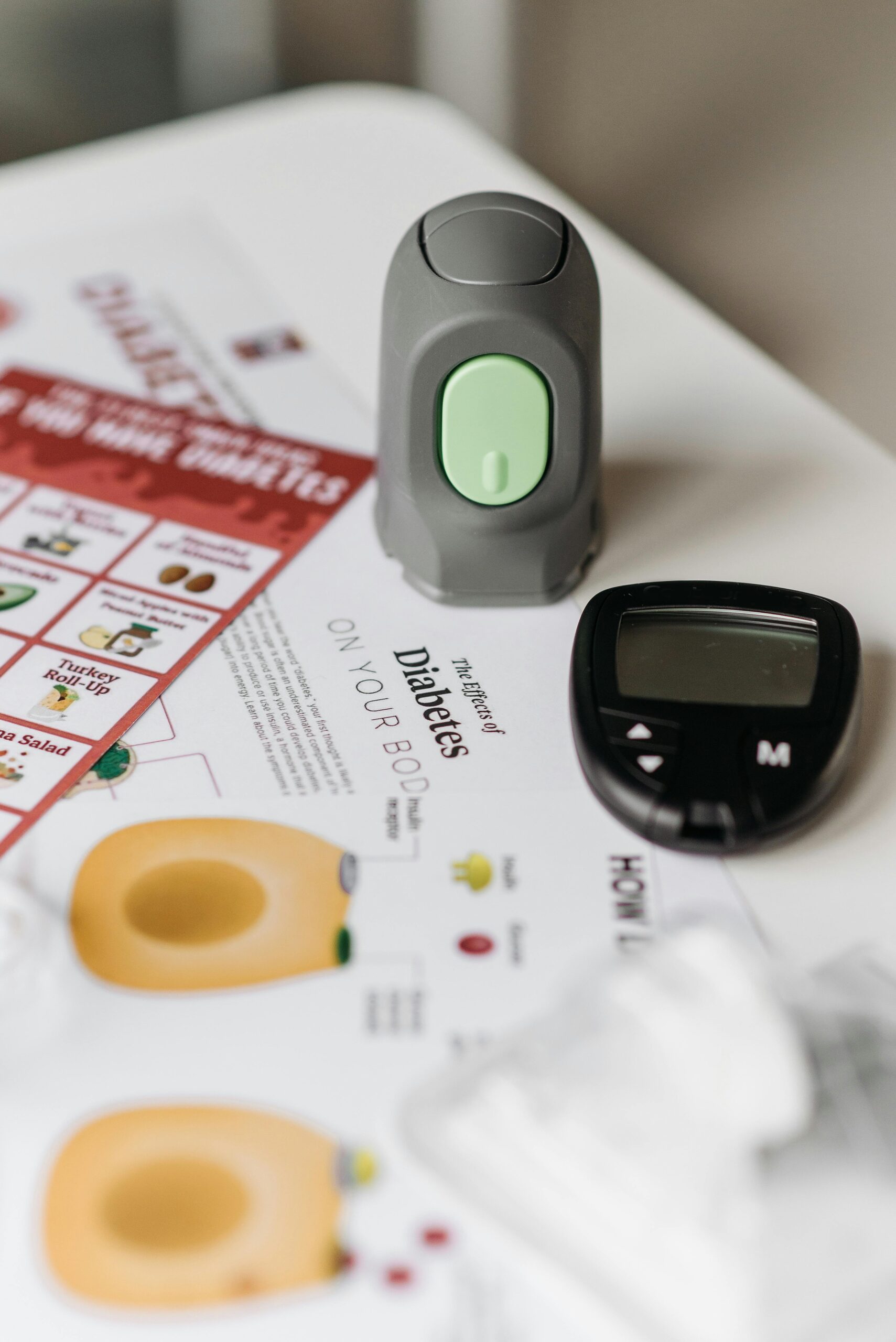
Glucose Logs and Pattern Recognition: A Clinician’s Guide to Safer Diabetes Monitoring Over Time

glucose logs

Glucose Logs Matter More Than Isolated Readings Diabetes care does not fail because clinicians lack glucose values. It fails when values are reviewed without pattern recognition. A single high fasting glucose can mislead. A single low reading can alarm. Glucose logs, reviewed over time, tell the real story. Pattern recognition allows clinicians to: Understand glycaemic … Read more

Tracking Blood Pressure Trends Across Months: Guide to Safer, Smarter Hypertension Monitoring

monitoring data

Month-to-Month Trends Matter More Than Single Blood Pressure Readings Blood pressure management fails most often not because clinicians lack data, but because data are interpreted out of context. A single high reading can trigger anxiety, unnecessary medication changes, or referrals. A single normal reading can falsely reassure. Trends across months tell the real story. Tracking … Read more