Wearable devices and health apps promise numbers, graphs, and alerts—while symptom tracking relies on simple notes about how you feel. Many people wonder which matters more and whether one can replace the other.
The short answer: neither works well on its own. For doctors, the most useful insight comes from combining symptom tracking with relevant device data—interpreted within a trusted, ongoing care relationship.
In African healthcare settings, where access to devices, connectivity, and follow‑up care varies widely, understanding the strengths and limits of each approach is essential.
This article supports our main guide, “Symptom Tracking for Chronic Conditions: How Busy People Stay Stable, Informed and In Control.” However, this post focuses on the usefulness of symptom tracking and wearable data—especially for busy professionals and families across Africa.
What Symptom Tracking Really Captures
Symptom tracking records experience: how you feel, when symptoms start, what makes them better or worse, and how they affect daily life. It captures things that devices cannot easily measure.

For clinicians, these details provide context that no numeric figures alone can explain.
- pain quality and location
- dizziness, nausea, or fatigue
- triggers like stress, meals, or poor sleep
- impact on work, driving, or exercise
What Wearable Data Does Well
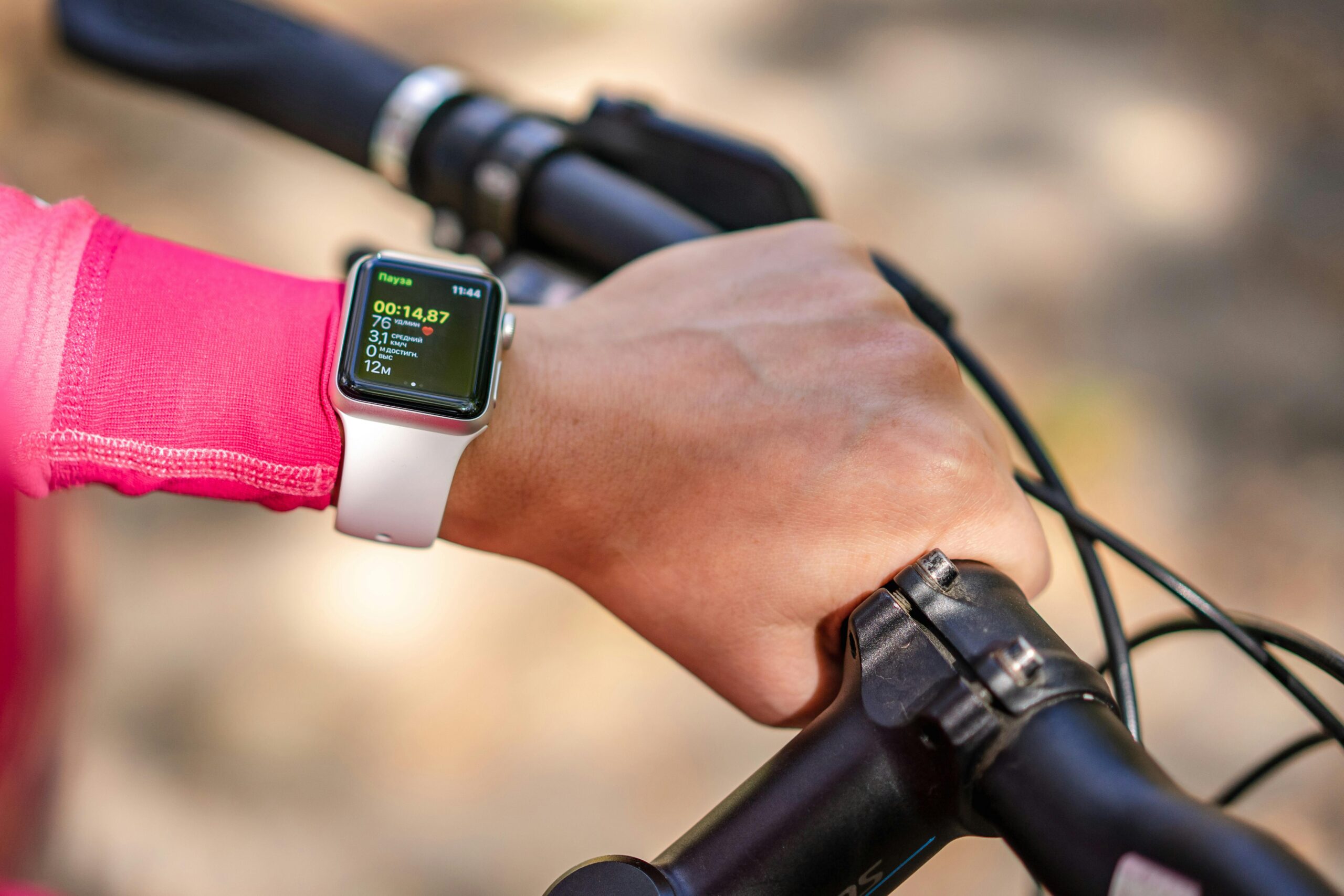
Wearables capture objective signals. These measurements are beneficial when symptoms are subtle, brief, or occur during sleep or activity. Depending on the device, these may include:
- heart rate and rhythm trends
- physical activity and step counts
- sleep duration and variability
- blood pressure or oxygen levels (on validated devices)
Doctors Need Both—Symptom Tracking and Wearable Data Are Not a Competition
The question is not whether symptom tracking or wearable data matters more. The real question is how they work together. Symptoms explain the meaning. Data adds confirmation. Examples:
- palpitations are better understood when symptom timing is paired with heart rate or rhythm data
- dizziness becomes clearer when linked with blood pressure readings and position changes
- headaches are easier to evaluate when sleep patterns and stress levels are noted alongside pain logs
Limitations of Relying Only on Wearables
Wearable data has important limits, especially in real-world African settings.
Accuracy varies by device: Not all consumer devices are clinically validated. Readings may be affected by movement, skin tone, placement, or poor calibration.
Data overload without context: Large volumes of numbers without explanation can overwhelm clinicians, leading to unnecessary testing or anxiety.
Access and affordability: Wearables may be expensive, require stable electricity or internet, and may not be practical for everyone.
Limitations of Relying Only on Symptom Tracking

Symptom tracking also has limits.
- memory and perception can be subjective
- mild symptoms may be underreported
- some conditions progress silently without noticeable symptoms
This is why clinician guidance is essential in deciding when devices are needed.
Choosing What Matters Most for Your Situation
Low-risk, lifestyle-related concerns: For stress-related symptoms, sleep problems, or mild headaches, symptom tracking alone is often sufficient initially.
Chronic or higher-risk conditions: Conditions involving heart rhythm, blood pressure, diabetes, or recovery after illness may benefit from selective device monitoring—guided by a clinician.
African Realities: Practical Considerations
In many African settings:
- clinic visits may be infrequent
- internet access may be inconsistent
- shared phones and devices are common
Simple symptom logs—on paper or basic phones—often provide the most reliable starting point. Devices should be added only when they clearly improve safety or decision-making.
Quick Comparison: Symptom Tracking vs Wearable Data
| Aspect | Symptom tracking | Wearable data |
| How you feel and function | Objective body signals |
| 2. Cost | Usually free or very low | Can be expensive |
| 3. Technology needed | Paper or basic phone | Device, charging, connectivity |
| 4. Best for | Pain, dizziness, triggers, impact | Heart rate, sleep, activity |
| 5. Main limitation | Subjective | Lacks context |
| 6. Works best when | Guided by your doctor | Clinically validated and reviewed |
🫱 Key takeaway for busy people: symptoms give meaning, wearables give measurements—doctors need both, not one or the other.
Common Mistakes to Avoid
👨🦽➡️ Trusting device alerts without symptoms or clinician review
Wearable alerts are designed to flag possibilities, not make diagnoses. Acting on alerts without considering how you feel—or without clinician input—can lead to unnecessary anxiety, testing, or unsafe decisions. Alerts should prompt review, not reaction.
👨🦽➡️ Ignoring symptoms because device readings look “normal”
Normal numbers do not always mean that nothing is wrong. Many important conditions begin with subtle or intermittent symptoms that devices may miss. If you feel unwell, your experience matters—even when data appears reassuring.
👨🦽➡️ Comparing wearable data with strangers online
Online forums often lack medical context. Differences in age, health history, medications, and device accuracy make comparisons unreliable. What is normal for someone else may be irrelevant—or misleading—for you.
👨🦽➡️ Adjusting medications based only on numbers
Changing doses based solely on wearable readings or app trends can be dangerous. Medications affect the whole body and must be adjusted in a clinical context. Always involve your doctor before making changes.
👨🦽➡️ Over-tracking and creating unnecessary stress
Constant checking can increase anxiety and distract from meaningful patterns. If tracking begins to feel overwhelming, it may be time to simplify or pause—with your doctor’s guidance.
👨🦽➡️ Sharing raw data without summaries
Large volumes of unsorted data are hard to interpret, not easier. Short summaries highlighting changes, triggers, and concerns are far more useful for clinicians than unfiltered data streams.
Role of Continuity of Care
Doctors who know your history can interpret both symptoms and data more accurately. Continuity of care prevents overreaction to harmless fluctuations and ensures meaningful changes are addressed.
Some care models, such as ChextrMD’s continuity-focused approach, are designed to support this balanced interpretation by keeping your primary clinician informed over time.
1‑Minute Decision Guide: Do I Need a Wearable or Not?
Use this quick guide before buying or relying on a device.
A wearable may not be necessary if:
- symptoms are mild, infrequent, or clearly linked to lifestyle factors
- you can describe symptoms clearly using simple daily logs
- doctor has not recommended device monitoring
- cost, charging, or connectivity would be a burden
A wearable may be helpful if:
- symptoms are brief, unpredictable, or occur during sleep or exercise
- doctor needs objective confirmation (e.g., heart rhythm, blood pressure)
- monitoring recovery or a chronic condition with clear targets
- clinically validated device is available and affordable
A wearable should always be used with caution if:
- increases anxiety or leads to constant checking
- alerts are acted on without clinician guidance
- readings conflict with how you feel
🫱 Bottom line: Start with symptom tracking. Add a wearable only when your doctor agrees it will improve safety or decision‑making—not just data volume.
FAQs: Symptom Tracking vs Wearable Data
Q: Which matters more to my doctor—symptoms or wearable data?
A: In most cases, symptoms come first. Doctors rely on your experience to understand what a number means. Wearable data becomes more useful when it explains or confirms a symptom pattern rather than standing alone.
Q: Can wearable data replace symptom tracking?
A: No. Wearables measure signals like heart rate or steps, but they cannot capture pain, dizziness, fatigue, or how symptoms affect daily life. Symptom tracking remains essential for clinical decisions.
Q: Are wearables accurate enough for medical decisions?
A: Some devices are clinically validated and can be helpful, but accuracy varies widely. Readings should always be interpreted by a clinician, especially in high‑risk situations.
Q: What if my wearable shows normal readings but I feel unwell?
A: Symptoms should never be ignored because numbers look normal. Share how you feel with your doctor — symptoms often prompt further evaluation even when device data appears reassuring.
Q: Do I need a wearable to manage my health well?
A: Not necessarily. Many people achieve excellent outcomes using symptom tracking alone. Devices should be added only when they clearly improve safety or decision‑making.
Q: Can wearables increase anxiety?
A: Yes. Constant alerts or frequent checking can increase stress for some people. If this happens, discuss adjusting or stopping device use with your doctor.
Q: What if I have limited access to specialists or follow‑up care?
A: In many African healthcare systems, specialist visits and follow‑up appointments may be infrequent.
In these cases, simple symptom tracking becomes especially valuable because it creates a clear history your primary doctor can use to decide when referral or escalation is truly needed.
Wearables should be added if your doctor feels they will meaningfully improve decisions.
Q: How should I track symptoms if clinics are far away or overcrowded?
A: When access to care is limited, like in Africa, focus on consistency rather than complexity. Short daily logs kept on paper or a basic phone can provide reliable information over time.
Share concise summaries during visits so your doctor can quickly understand patterns without requiring repeated appointments.
Balance Matters More Than Technology

Symptom tracking and wearable data serve different roles in good medical care. One captures how you feel and function; the other measures what your body is doing. On their own, each has limits.
Together—interpreted by a clinician who knows your history — they become far more meaningful. The best outcomes do not come from more technology, but from using the right tools at the right time.
For many people, especially in busy or resource‑constrained settings, simple symptom tracking is often the strongest starting point.
🫱🫱Next step: Ask your doctor whether symptom tracking, wearable data, or a combination makes sense for your situation. Start simple, add tools only when they clearly improve safety or clarity, and let professional judgment — not alerts or numbers alone — guide decisions.
Good health decisions don’t come from more data—they come from the right signals, shared at the right time, with a doctor who knows you