
The Silent Weight of Modern Success
Across Africa’s fast-growing cities—Lagos, Nairobi, Accra, and Johannesburg—professionals are working longer hours than ever.
Traffic. Deadlines. Financial responsibilities. Family expectations.
Success comes with pressure.
Stress itself is not always harmful. Short bursts of stress help us perform. But chronic, unrelieved stress can increase the risk of:
- high blood pressure
- poor sleep
- weight gain
- diabetes
- anxiety symptoms
- burnout
This post focuses on stress management habits for busy African professionals—realistic strategies that fit demanding schedules.
For a broader overview of prevention strategies, see our main guide: 7 Powerful Lifestyle Habits that Reduce Disease Risk in African Adults: Simple Daily Choices Strengthen Families.
Stress Management Matters for Long-Term Health

Stress is not “just emotional.” It has physical consequences. Managing stress is part of disease prevention. When stress becomes persistent, the body repeatedly releases hormones like cortisol and adrenaline. Over time, this may:
- increase blood pressure
- raise blood sugar
- increase abdominal fat storage
- disrupt sleep
- weaken immune balance
1. Create a Structured Morning Routine
How the day begins affects stress levels. Structure reduces anxiety. A calm morning builds resilience for the day ahead. Instead of waking up and immediately checking messages:
- Wake up 20–30 minutes earlier
- stretch lightly
- pray or meditate
- plan the top 3 priorities for the day
2. Schedule Micro-Breaks During Work
Many professionals sit for hours without pause. This increases both physical and mental strain. Short breaks improve focus and reduce tension. Every 60–90 minutes:
- stand up
- walk briefly
- stretch shoulders and neck
- take 5 deep breaths
3. Protect Sleep as a Non-Negotiable
Late nights are common in busy urban settings. However, chronic sleep deprivation:
- increases stress hormones
- raises blood pressure
- reduces emotional control
- increases cravings
Sleep is a foundation, not a luxury. Aim for:
- 7–8 hours of sleep
- reduce screen use before bed
- consistent sleep times
4. Set Boundaries Around Work Communication

Boundaries protect mental space. Smartphones blur boundaries. Constant notifications increase mental load. Consider:
- turning off non-urgent notifications at night
- setting specific email response times
- avoiding work chats during family meals
5. Incorporate Physical Activity
Exercise reduces stress hormones and boosts mood-regulating chemicals. Consistency matters more than intensity. Options for busy professionals:
- walking meetings
- 20-minute home workouts
- weekend sports
- taking stairs instead of elevators
6. Practice Deep Breathing Techniques
Simple breathing exercises calm the nervous system. This can be done in traffic, before meetings, or at home. Try this method:
- inhale slowly for 4 seconds
- hold for 4 seconds
- exhale slowly for 6 seconds
- repeat for 2–3 minutes
7. Strengthen Social Connections
Isolation increases stress. African cultures traditionally value community. Maintaining connection is protective. Shared support reduces emotional burden. Make time to:
- call a trusted friend
- eat with family
- attend religious or community gatherings
- speak honestly about pressures
8. Limit Caffeine and Sugary Drinks
Many professionals rely on sweet coffee, energy drinks, and sugary sodas. These may increase heart rate and anxiety. Balanced energy reduces stress swings. Gradually reduce intake and replace with:
- water
- unsweetened tea
- herbal beverages
9. Recognize When Professional Support Is Needed
Sometimes stress becomes overwhelming. Seeking medical evaluation is not a weakness. It is responsible prevention. Warning signs include:
- persistent insomnia
- irritability
- difficulty concentrating
- physical symptoms like headaches or chest tightness
- loss of motivation
Stress in the African Professional Context
Urban growth has increased:
- traffic congestion
- cost-of-living pressures
- competitive work environments
- dual family and extended family responsibilities
These realities require structured stress management. Ignoring stress does not make it disappear. It often surfaces later as a physical illness.
Common Stress Management Mistakes
- ignoring early warning signs
- self-medicating with alcohol
- overworking without rest
- using food as emotional comfort
- avoiding medical evaluation
Awareness reduces risk.
Combine Stress Management With Medical Monitoring
Stress can silently affect blood pressure, blood sugar, weight, and heart health. Even when someone “feels fine,” silent changes may occur. Stress management habits are stronger when monitored over time. Regular check-ups with a trusted doctor allow:
- blood pressure monitoring
- early detection of metabolic changes
- safe guidance for lifestyle adjustment
- structured preventive care
For busy professionals who value premium, personalized continuity of care, an ongoing connection with their known physician allows subtle stress-related health changes to be tracked early and managed responsibly.
Prevention works best when habits and medical oversight work together.
ChextrMD Position: Redefining Prevention Through Trusted Continuity
Modern healthcare often feels rushed.
Short appointments.
Fragmented advice.
Different doctors at every visit.
For busy African professionals and families, this model does not always support long-term prevention. ChextrMD’s position is simple and clear: Prevention works best through continuous guidance between patients and their trusted doctors.
😁 Not Emergency Care. Not Random Consultations.
ChextrMD is not an emergency service.
It is not a marketplace for one-time doctor interactions.
It does not replace hospital visits.
Instead, it strengthens the existing doctor–patient relationship. Continuity creates safety. Prevention thrives when:
- physician understands your full medical history
- lifestyle patterns are tracked over time
- subtle health trends are noticed early
- advice is personalized—not generalized
😁 Continuity Matters in Prevention
Many chronic conditions common in Africa develop silently:
- hypertension
- Type 2 diabetes
- cardiovascular disease
- stress-related metabolic changes
These conditions rarely appear suddenly. They evolve gradually.
A doctor who sees you once may treat a symptom.
A doctor who has known you over the years can detect patterns.
ChextrMD supports this long-term relationship by enabling structured, ongoing access between patients and their known physicians.
😁 Designed for High-Performing Professionals
Executives, entrepreneurs, and senior professionals often delay care due to travel schedules, demanding workloads, and leadership responsibilities. ChextrMD aligns with individuals who value:
- premium access
- discreet communication
- proactive monitoring
- personalized oversight
It supports structured preventive care without disrupting high-level professional commitments.
😁 Monitoring Trends Before They Escalate
Prevention is not just advice. It is monitoring. Small shifts are easier to manage than advanced disease. Through continuity of care, physicians can:
- track blood pressure changes
- monitor weight patterns
- review lab trends
- adjust lifestyle recommendations safely
- encourage timely in-person evaluation when needed
😁 Premium Standard of Preventive Care
ChextrMD emphasizes:
- long-term partnership
- trust
- safety
- consistency
- personalized guidance
It does not promote self-diagnosis.
It does not replace clinical assessment.
It does not encourage medication changes without proper evaluation.
It strengthens the foundation of responsible medical care.
😁 Prevention Backed by Relationship
Healthy habits—better diet, daily movement, and stress management—are powerful. But habits are strongest when supported by:
- physician who understands your baseline
- Continuous oversight
- Structured follow-up
- Clear accountability
ChextrMD supports prevention as a premium, continuity-driven standard—not reactive, not fragmented, not transactional.
✅Remember: Prevention reduces risk. Continuity strengthens prevention. Trusted relationships protect long-term health.
ChextrMD positions healthcare not as an occasional intervention but as an ongoing partnership—quietly supporting busy African professionals and families through personalized, consistent medical guidance.
FAQs: Stress Management for Busy African Professionals
Is stress always harmful?
No. Short-term stress can improve focus and performance. It helps during presentations, deadlines, or emergencies. The problem begins when stress is continuous, and there is no recovery time.
Chronic stress places long-term strain on the heart, blood vessels, metabolism, and mental health. Balance is the goal.
Can stress raise blood pressure?
Yes. Ongoing stress may contribute to temporary increases in blood pressure. If stress continues for months or years, it may influence long-term cardiovascular risk. This is why regular monitoring is important, even for professionals who feel “healthy.”
How much sleep do professionals need?
Sleep is not laziness. It is biological recovery. Most adults require 7–8 hours of sleep per night. Less than 6 hours consistently may:
- increase stress hormones
- reduce emotional control
- raise appetite
- affect concentration
Does exercise really reduce stress?
Yes. Physical activity helps regulate cortisol and supports mood stability. You do not need a gym membership. Even:
- 20-minute brisk walks
- home bodyweight exercises
- weekend football
- climbing stairs
can improve stress resilience when done consistently.
What if I cannot reduce work hours?
Small adjustments reduce overall strain even when work remains demanding. Many professionals cannot change their workload. However, you can adjust:
- morning routine
- break patterns
- screen boundaries
- caffeine intake
- sleep timing
How do I know if stress is becoming dangerous?
If these symptoms persist, a medical evaluation is important. Warning signs include:
- persistent headaches
- chest discomfort
- insomnia
- irritability
- digestive issues
- loss of motivation
- frequent illness
Can stress affect blood sugar?
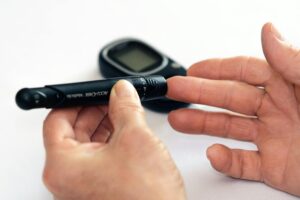
Yes. Chronic stress may raise blood sugar levels, especially in individuals at risk for diabetes. This is why stress management supports metabolic health.
How often should I see a doctor if I feel stressed?
If stress is persistent or affecting sleep, mood, or physical health, consult your doctor. Even without symptoms, annual health checks are advisable.
Is alcohol a good way to relax after work?
Alcohol may create temporary relaxation, but it can worsen sleep and increase long-term stress if used frequently. Moderation is important.
Can spiritual practices help with stress?
For many Africans, prayer, meditation, and faith-based community support provide emotional resilience and social stability. Spiritual coping can complement healthy lifestyle habits and medical care.
How does traffic congestion in major African cities affect stress levels?
In cities like Lagos, Nairobi, Johannesburg, and Accra, long commute times are common. Spending hours in traffic daily can:
- increase frustration and irritability
- reduce sleep time
- limit exercise opportunities
- increase blood pressure temporarily
Small mental adjustments during commuting can significantly lower daily stress load. To reduce the impact:
- use commute time for calming audio (music, podcasts, faith messages)
- practice deep breathing while driving
- leave earlier when possible to reduce rush pressure
- avoid checking stressful work messages during traffic
How can professionals manage stress when supporting extended family financially?
In many African cultures, successful professionals often support extended relatives. While this reflects strong community values, it can also increase financial pressure. Helpful strategies include:
- setting realistic monthly support limits
- creating structured budgets
- communicating clearly and respectfully
- seeking financial planning advice when necessary
- discussing stress openly with a trusted doctor if it affects health
Balancing generosity with sustainability protects both mental and physical well-being.
Strength Under Pressure—Protect Your Mental and Physical Health

Stress is part of professional life.
Unchecked stress becomes a risk.
Managed stress builds resilience.
Success should not cost long-term health. Stress management is not about avoiding ambition.
It is about protecting resilience. Small daily habits—better sleep, structured breaks, movement, and boundaries—reduce silent risk.
When combined with routine oversight from a trusted physician who understands your history and lifestyle, stress prevention becomes structured and sustainable.
Manage stress early. 👉👉 Protect health long-term.