
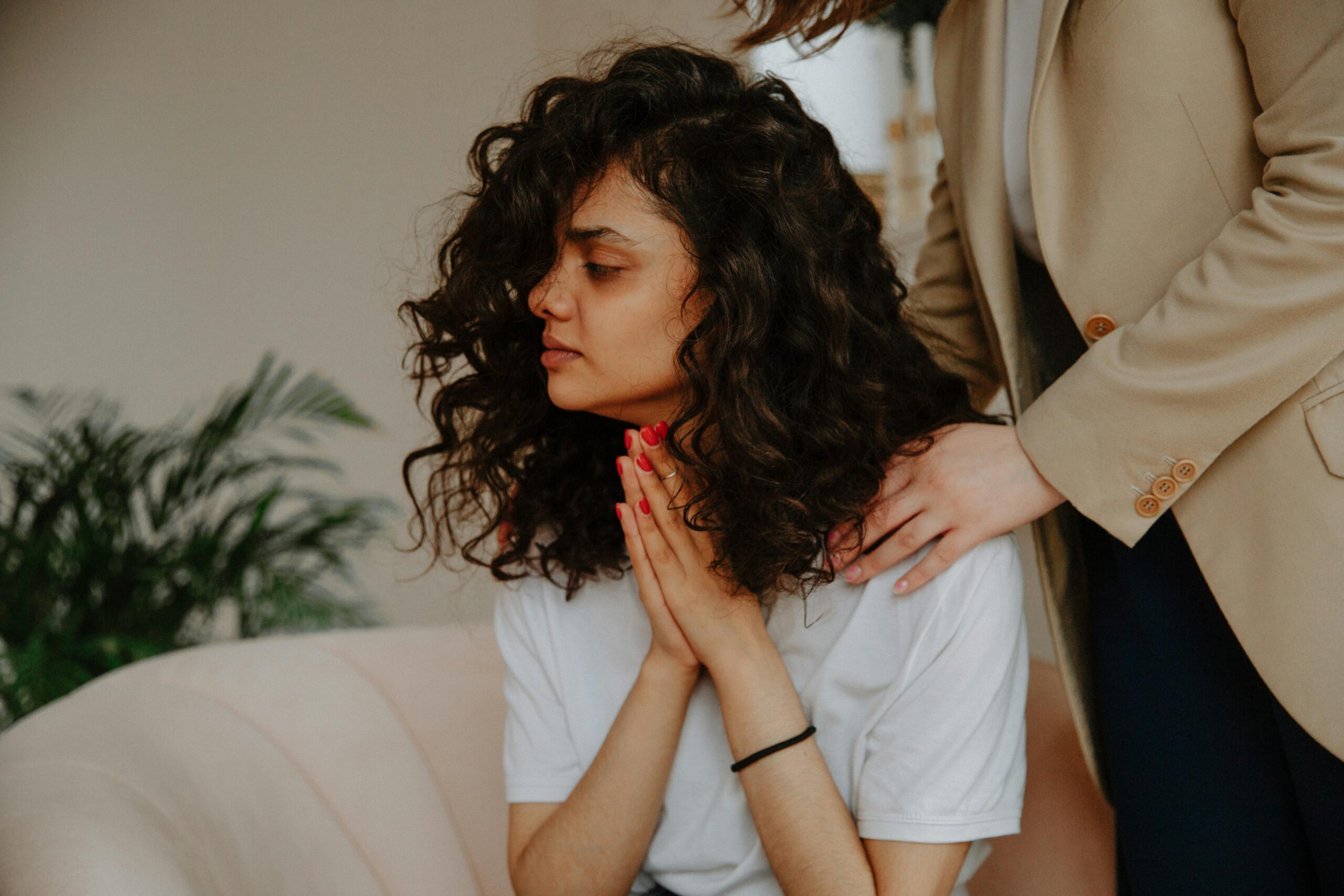
Stress is often blamed for everything. Sometimes unfairly. Sometimes correctly. Stress cause irregular periods. For many African women, stress is not just emotional—it is physical, constant, and layered.
Work pressure, financial responsibility, caregiving roles, long commutes, poor sleep, and emotional load all add up. Over time, the body responds. One of the clearest examples of this response is the menstrual cycle.
This guide explains how stress can cause irregular periods, why these changes are real (not imagined), and what safe next steps look like—without panic or self-blame.
This article supports the guide: Deep Dive Into Irregular Periods in African Women: 11 Real Causes and Hidden Hormone Clues. It specifically focuses on stress-related cycle changes.
Can Stress Cause Irregular Periods?
Stress can directly affect your menstrual cycle. Stress interferes with this system. When stress hormones stay high for too long, the brain may delay or pause ovulation. When ovulation changes, periods change. This is a biological response, not a weakness.
A communication system between your brain, hormones, and ovaries controls your period.
Stress Disrupts the Menstrual Cycle
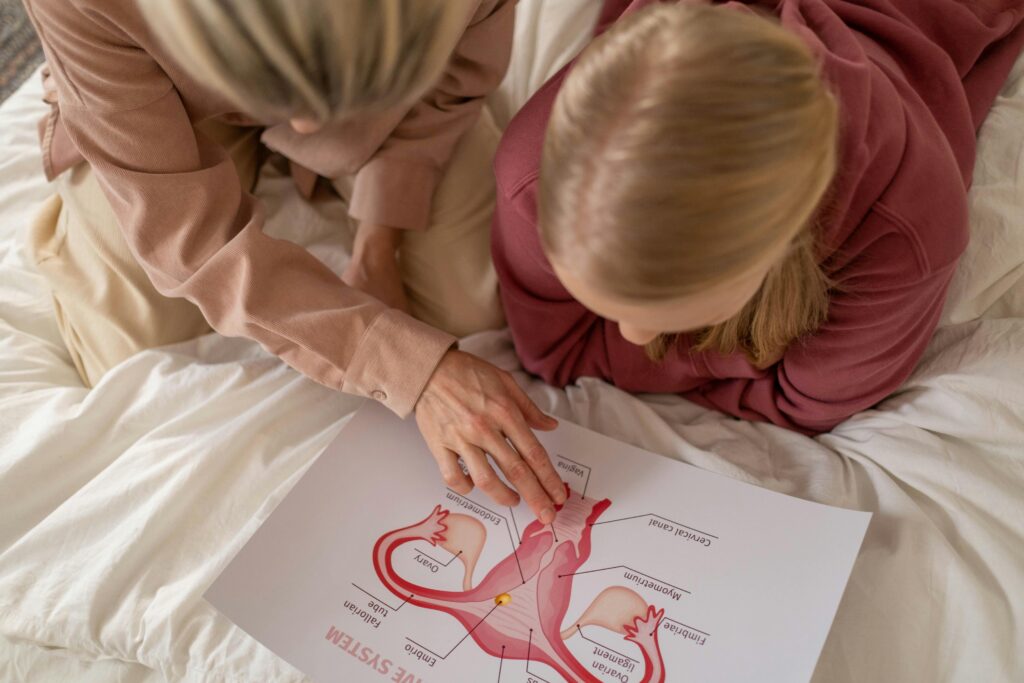
Stress increases cortisol, the body’s main stress hormone. If ovulation does not happen on time—or does not happen at all—the period will arrive early, late, or not at all. High cortisol can:
- suppress ovulation
- delay hormone release
- shorten or lengthen cycles
- cause missed periods
This is why stress-related irregular periods can look different from month to month.
Types of Stress That Commonly Affect African Women
Stress is not one-size-fits-all. Common contributors include:
Chronic Mental Load
- work pressure
- financial strain
- caregiving responsibilities
- emotional decision-making
Physical Stress
- poor sleep
- illness
- overwork
- inadequate recovery
Lifestyle Stress
- long commuting hours
- irregular meals
- limited rest time
🩸 When stress becomes ongoing, the menstrual cycle is often one of the first systems to react.
What Stress-Related Irregular Periods Look Like
Some women notice that stress is a cause for late periods. Others notice early bleeding. Both can be stress-related, depending on how ovulation is affected that month. This variability often confuses women—and leads to unnecessary fear. Stress can cause:
- late periods
- early periods
- skipped months
- lighter or heavier bleeding
- cycles that change every month
Long-Lasting Stress Can Affect Periods
It does not always take years. The body prioritizes survival. Reproduction is temporarily placed on hold when the system feels overwhelmed. For some women:
- few weeks of intense stress can delay ovulation
- several months of chronic stress can stop periods entirely
Stress Alone Can Stop Periods Completely

Yes indeed, in some cases. This is sometimes called stress-related amenorrhea. It happens when ovulation pauses for several months due to ongoing stress. The good news:
👉 Stress-related cycle changes are often reversible once the underlying pressure is addressed and the body feels safe again.
Stress-Related Irregular Periods Differ From Other Causes
Other causes, like PCOS or thyroid conditions, tend to cause more consistent patterns. This is why proper medical evaluation matters—to avoid guessing. Stress-related changes usually:
- start gradually
- fluctuates month by month
- improve when stress reduces
When Stress Is Not the Only Cause
Stress may trigger irregular periods, but it can also:
- worsen existing hormonal imbalance
- reveal underlying conditions
- delay recovery from postpartum or illness-related changes
🫸 This is why doctors do not assume stress is the only explanation without looking deeper.
What Doctors Look for When Stress Is Suspected
Doctors usually assess:
- cycle history over several months
- stress levels and sleep patterns
- weight changes
- other symptoms
Tests may be recommended if:
- periods stop for several months
- irregularity persists even when stress improves
- additional symptoms appear
🫸 The goal is clarity, not labels.
Safe Next Steps If Stress Is Affecting Your Period
- Track your cycle calmly: Note dates, flow, and symptoms.
- Acknowledge stress honestly: Stress is not a failure. It is information.
- Avoid self-diagnosis: Stress may be the cause—or part of it.
- Speak with your personal doctor early: Early conversations prevent long-term disruption.
🫸 Care works best with continuity, not rushed, one-time opinions.
Why Continuity of Care Matters Here
Stress-related irregular periods often improve gradually, not overnight. This requires:
- monitoring over time
- adjustments based on response
- doctor who understands your baseline
Services like ChextrMD support this continuity by enabling ongoing follow-up between doctors and their existing patients, especially for women managing demanding schedules who still need consistent guidance.
FAQs: Stress and Irregular Periods in African Women
Can stress delay ovulation every month?
Yes—especially when stress is ongoing or chronic. Ovulation depends on steady signals from the brain to the ovaries. When stress hormones remain high for long periods, these signals can weaken or pause.
This can delay ovulation month after month, leading to late periods, skipped periods, or cycles that feel unpredictable. The longer stress continues, the more likely these changes are to repeat.
Can stress really cause irregular periods?
Yes. Stress is a well-established cause of irregular periods. When stress is ongoing, the body releases higher levels of cortisol. This stress hormone can interfere with the brain signals that trigger ovulation.
If ovulation is delayed or skipped, periods may come early, come late, or not come at all. This is a physical response, not something you are imagining.
How long does stress need to last to affect my period?
It depends on the person and the intensity of stress. For some women, a few weeks of intense stress can delay one cycle. For others, months of ongoing stress can lead to repeated irregular periods or missed periods.
The body responds more to chronic stress than to short-term pressure.
Can stress cause my period to stop completely?
Yes, in some cases. Severe or prolonged stress can pause ovulation for several months. When ovulation stops, periods stop too. This is sometimes called stress-related amenorrhea.
The good news is that this type of cycle change is reversible once stress levels improve and the body feels supported again.
Can my period return once stress improves?
In many cases, yes. When stress levels decrease and the body feels safer, hormone communication often improves. Ovulation may restart, and periods usually return gradually over a few cycles.
Recovery is not always immediate, but with patience, monitoring, and proper medical guidance, many women see their cycles normalize again.
Why does stress make my period early one month and late the next?
Stress affects ovulation differently from month to month. This is why stress-related irregular periods can feel unpredictable and confusing.
- ovulation is earlier than usual, period may come early
- ovulation is delayed, period comes late
- ovulation does not take place, period may skip entirely
Does stress affect everyone’s cycle the same way?
No. Stress affects each woman differently. Some women are sensitive to stress and notice rapid changes in their cycle. Others may not see changes until stress has been present for a long time. Genetics, nutrition, sleep, and overall health all play a role.
There is no “right” or “wrong” reaction.
Can stress worsen existing menstrual problems?
Yes. Stress may not be the only cause, but it can make other conditions harder for the body to manage. Stress can:
- worsen already existing hormonal imbalance
- make PCOS symptoms more noticeable
- delay recovery after childbirth or illness
- make irregular periods more persistent
Will my period return once stress improves?
In many cases, yes. When stress reduces and the body feels safer, hormone signals often normalize, and periods return gradually. This may take time and usually happens over several cycles rather than instantly.
Consistent monitoring and follow-up with a doctor can help ensure recovery stays on track.
Should I still see a doctor if I know stress is the cause?
Yes, always. Even when stress feels like the clear reason, it should not be assumed without evaluation. It is still essential to talk to a doctor. Early guidance prevents unnecessary worry and missed diagnoses. A doctor can help:
- confirm that stress is the main factor
- rule out other hormonal or medical causes
- monitor your cycle safely over time
Seeing a doctor early provides reassurance and prevents minor issues from becoming long-term concerns.
Can stress-related irregular periods affect fertility long-term?
Usually, no—especially when addressed early. Short-term stress-related cycle changes do not typically cause long-term fertility problems. The key is not allowing stress-related irregularity to persist for long periods without attention.
What is the most important thing I can do right now?
Irregular periods caused by stress are not a sign of weakness. They are signals—and signals are useful when listened to early. Start with three simple steps:
- Track your cycle calmly
- Acknowledge stress honestly, without blame
- Speak early with a doctor who knows your health history
👉 Key reminder: Stress can change your cycle, but it should not silence medical guidance. Stress speaks through the body. When your cycle changes, it is information—not failure. When stress and care work together, the body often finds its balance again.
When Stress Speaks, Your Cycle Responds

Stress does not just live in the mind. It lives in the body, including the hormones that control your menstrual cycle. When periods become early, late, or stop during stressful seasons, it does not mean your body is broken.
It means your body is reacting and trying to protect itself—not malfunctioning. By tracking patterns in your cycle, reducing pressure where possible, and working early with a doctor who knows your health history, stress-related changes can often be reversed.
Calm attention and continuity of care help your body feel safe again—and when the body feels safe, balance often returns.
If stress is part of your life—and for many African women, it is—your menstrual health deserves calm, consistent care.