

Executives across Africa carry huge responsibilities. Many lead fast-growing teams, manage cross-border operations, resolve daily emergencies, and make decisions that benefit thousands of people. The pressure is powerful… and also risky.
Stress and burnout in African professionals are not sudden events. They creep slowly. They hide behind success, long meetings, strong titles, and busy calendars. Many leaders notice them only when the body begins to push back.
This post explains why African executives face unique burnout risks, what signs to watch for, and how to stay safe through consistent guidance from your own personal doctor—not quick fixes or random online advice.
This article forms part of The Ultimate Guide to Executive Health Risks in African Cities (2025 Edition). Let’s dive deep.
Stress Hits African Executives Harder
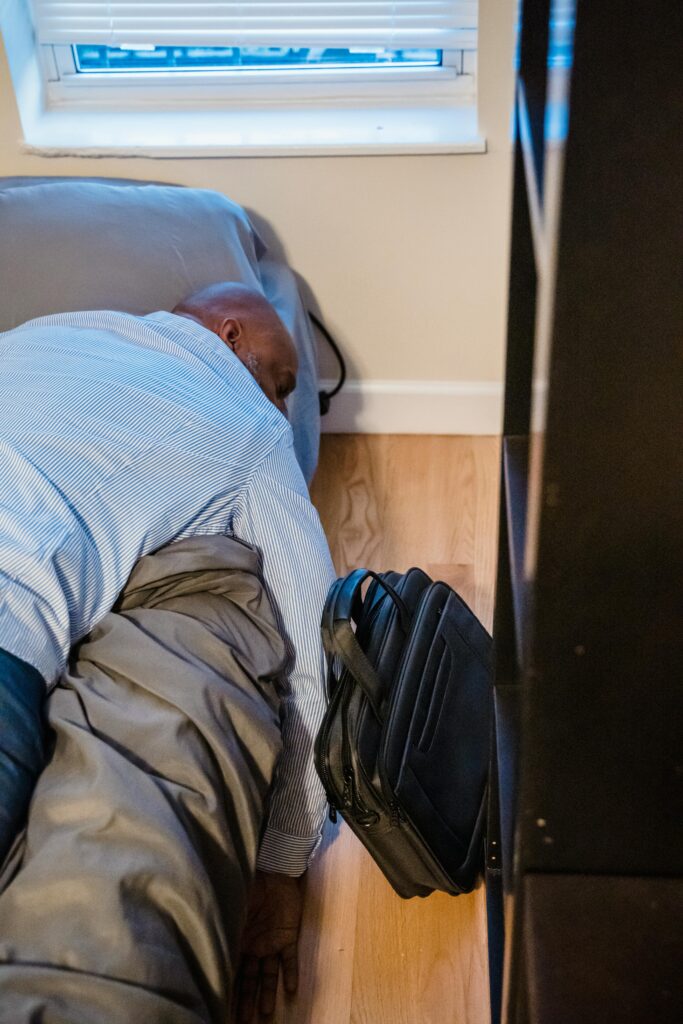
African cities move fast. These conditions create a perfect storm for stress. Burnout is not just “being tired.” It is emotional drain, mental fog, physical tension, and loss of joy—all rolled into one heavy package. They combine:
- rapid business growth
- intense competition
- long commutes
- high heat or humidity
- unpredictable infrastructure
- social expectations to “stay strong”
- pressure from extended family systems
Executives often deny these signals because they’re used to being the “rock” for everybody.
Hidden Stress Triggers African Executives Face Daily
Below are the most powerful stress triggers found in major African cities.
1. Mega-Commutes and Urban Gridlock
In cities such as Lagos, Nairobi, Cairo, Accra, Johannesburg, and Kinshasa, commuting can take 2–5 hours a day. Executives often endure tough traffic after a long day, making recovery even harder. Stress effects:
- muscle tension
- elevated stress hormones
- mental exhaustion before work even starts
- irritability
- reduced productivity
2. Constant Decision Pressure
CEOs, directors, and senior managers make dozens or hundreds of decisions each day. This produces decision fatigue, which feels like:
- confusion
- short temper
- harder thinking
- slower reactions
- emotional numbness
3. Unpredictable Economic Conditions
African markets rapidly change—currency shifts, regulatory updates, supply chain issues, and competition from global companies. Every tiny change adds tension.
4. Digital Overload: Emails, WhatsApp, Slack, Calls
Phones in African corporate life buzz non-stop. Notifications = micro-stress. Over time, they pile up like sand.
5. Leadership Isolation

Executives act strong outwardly… while holding their secret fears inwardly. This emotional burden significantly increases the risks of burnout. They have common hidden thoughts:
- “If I fail, people suffer.”
- “I can’t show weakness.”
- “Everyone depends on me.”
6. Travel Strain Across the Continent
Flight delays, sleep disruption, and climate changes weaken the body and mind. Executives often fly between:
- Lagos ↔ Johannesburg
- Nairobi ↔ Kigali
- Accra ↔ Abidjan
- Cairo ↔ Dubai
7. Heat, Humidity, and Air Quality Challenges
High temperatures + pollution + dry seasons = stress cocktail. Heat increases irritability and reduces mental sharpness.
8. Extended Family Responsibilities
This creates emotional weight, which many leaders cannot discuss openly. Many African executives support:
- parents
- siblings
- cousins
- community members
9. Performance Perfectionism
Executives with big goals often push themselves too hard. This leads to:
- overworking
- under-resting
- skipping meals
- skipping sleep
- ignoring early symptoms
10. Lack of Quiet Spaces in the City
Noise pollution from:
- traffic
- generators
- construction
- street vendors
…keeps the nervous system in a mild fight-or-flight mode all day.
11. Workplace Culture Expectations
This creates chronic exhaustion. Many African leaders feel pressure to:
- be first to arrive
- be last to leave
- attend every event
- always “show up”
12. Limited Personal Time
Executives often have schedules like:
- 6am calls
- 8am meetings
- 1pm working lunch
- 5pm presentations
- 8pm family time
- 10pm emails
No margin = burnout accelerates.
13. Weak Stress Recovery Cycles
Burnout grows when recovery is missing. Most executives struggle to fit these in. Recovery needs:
- sleep
- hydration
- nutrition
- movement
- quiet time
- emotional support
Early Warning Signs You Should Never Ignore
Burnout whispers before it shouts. If any of these begin to grow, your doctor should know. Early oversight matters. Watch for:
- Physical signs: morning exhaustion, frequent headaches, tight chest feelings, muscle tension, and digestive discomfort
- Emotional signs: irritability, sudden sadness, feeling “empty”, and loss of motivation
- Mental signs: confusion, memory slips, poor focus, and overwhelm
Science of Burnout (explained simply)
Burnout is a reaction to long-term stress that the body cannot fully recover from. Burnout is reversible—but only with rest, support, and consistent medical oversight. It involves:
- stress hormones stay high
- sleep cycles breaking
- muscles staying tight
- emotions flattening
- motivation dropping
African Executive Burnout Pattern (AEBP)
Based on common patterns across major African cities, burnout often follows this cycle:
- High ambition phase — lots of energy
- Overcommitment phase — too many responsibilities
- Sacrifice phase — sleep declines, meals skipped
- Crash phase — heavy fatigue
- Numb phase — emotional exhaustion
- Decline phase — chronic symptoms appear
Most executives seek help at Stage 4 or later. Your doctor can help monitor the early stages long before they become serious.
7-Step Stress-Protection Framework for African Executives
This simple plan fits even the busiest lifestyles.
Step 1 — Micro-Breaks: Use 30–90 second resets: stretch, drink water, close eyes, walk a few steps
Step 2 — Protect Sleep: Sleep is more powerful than vitamins. Guard it.
Step 3 — Consistent Hydration: Small sips all day keep you sharper.
Step 4 — Build a “Default Meal Routine”: Helps avoid sugar crashes.
Step 5 — Reduce Notification Noise: Batch messages instead of reacting to every ping.
Step 6 — Build Your Support Circle: Trusted mentors, friends, family, and faith leaders.
Step 7 — Stay in Continuous Contact with Your Doctor: Your personal doctor knows your history, stress triggers, and patterns. They can notice changes early and guide your care safely.
Ongoing Contact With Your Own Doctor Matters
Stress and burnout do not appear overnight. They build slowly, often hiding behind success, busy schedules, and strong leadership roles. That is why one-time medical visits are not enough for busy executives in African cities.
When you stay in regular contact with your own doctor—someone who already knows your medical history, lifestyle, work demands, and stress patterns—you gain a powerful layer of protection.
🔹 Burnout Changes Over Time, Not All at Once
Stress affects the body in stages. A doctor who follows you over time can notice these changes early, even when you feel “mostly fine.” Early awareness prevents bigger problems later. At first, signs are small:
- poor sleep
- irritability
- muscle tightness
- digestive discomfort
- low energy
🔹 Your Personal Doctor Sees Patterns Others Miss
Executives often normalize exhaustion. A trusted doctor does not. This pattern recognition only happens when there is continuity, not random or one-off consultations. With ongoing contact, your doctor can spot:
- rising stress levels
- gradual sleep decline
- repeat complaints
- travel-related fatigue patterns
- emotional strain hiding behind physical symptoms
🔹 Busy Leaders Need Guidance, Not Guesswork
Over time, these habits worsen burnout. A doctor who knows you well can guide safe, realistic adjustments that fit your schedule and culture, rather than fragmented and generic advice. Executives often self-manage stress using:
- caffeine
- skipped meals
- late nights
- “Pushing through” fatigue
🔹 Stress Can Mimic Other Health Problems
Ongoing medical oversight helps separate stress-related symptoms from other conditions that need urgent attention. This protects both your health and your peace of mind. Burnout can feel like:
- heart discomfort
- shortness of breath
- headaches
- stomach pain
- dizziness
🔹 Continuity Builds Trust, Honesty, and Better Outcomes
Executives are more open with doctors they trust. Over time, conversations become easier and more honest. A long-term doctor relationship is not about frequent visits—it is about consistent guidance, oversight, and safety. This leads to:
- earlier reporting of symptoms
- better tailored advice
- faster recovery
- fewer health surprises
🔹 Strong Leaders Stay Supported
Leadership is demanding. Carrying everything alone increases burnout risk. The strongest executives are not the ones who ignore their bodies. They are the ones who stay supported. Ongoing contact with your personal doctor gives you:
- neutral, trusted perspective
- medical oversight without judgment
- early intervention when needed
- confidence in your health decisions
📢 Continuity of Care Protects High Performers
Executives rarely break down suddenly. Health issues grow quietly—through stress, poor sleep, heavy travel, and long hours.
Staying in regular contact with a doctor who already knows your history helps identify small shifts early, guide safe adjustments, and protect your energy before performance drops. This kind of continuity is one of the most powerful tools a leader can have.
☑️Executive Continuity of Care Checklist
Use this checklist to assess whether your health support is strong enough for your role
☐ I have a personal doctor who knows my medical history well
☐ I update my doctor when stress, sleep, or energy levels change
☐ I don’t wait for symptoms to become severe before speaking up
☐ My doctor helps track patterns over time, not just single events
☐ I have guidance tailored to my workload and travel schedule
☐ I feel comfortable discussing emotional strain, not just physical symptoms
☐ I view health check-ins as prevention, not emergencies
If you checked four or more, you’re building strong protection. If fewer, strengthening continuity of care may help safeguard both your health and performance.
FAQs About Stress and Burnout in African Executives
Q1: Is burnout a medical condition?
Burnout itself is not classified as a medical diagnosis. It is a state of long-term physical, mental, and emotional exhaustion caused by ongoing stress without enough recovery.
Although burnout is not a diagnosis, it directly affects medical health. It can alter sleep patterns, raise stress hormones, weaken immunity, and worsen existing conditions. This is why burnout should never be ignored. A personal doctor can help:
- review symptoms carefully
- rule out other medical causes
- track patterns over time
- guide safe next steps
Burnout is best managed early, before it starts to creep into the body more deeply.
Q2: Can stress cause physical problems?
Yes. Stress affects the whole body, not just the mind. If physical symptoms are new, worsening, or persistent, your doctor should know. Early guidance prevents long-term problems. When stress stays high for long periods, it can lead to:
- poor sleep or frequent waking
- digestive discomfort or bloating
- muscle tightness in the neck, back, or jaw
- headaches
- low energy or constant tiredness
- changes in appetite
Q3: Do I need therapy or medication?
Not everyone experiencing burnout needs therapy or medication. Many executives need structure, recovery, and support. Your personal doctor is the best person to guide this decision. They may recommend:
- lifestyle adjustments
- better sleep routines
- stress-reduction strategies
- emotional support
- referral to counseling if helpful
- medical treatment only when truly needed
There is no one path for everyone. What matters most is safe, personalized guidance, not guessing or self-treating.
Q4: Why does burnout feel worse in big African cities?
Large African cities create unique stress layers that pile up daily. Executives in smaller towns may rest more easily. Urban leaders must be more intentional about recovery and monitoring. Common contributors include:
- long and unpredictable traffic
- high noise levels
- heat and humidity
- air quality changes
- long work hours
- limited quiet spaces
- pressure to perform without rest
These factors keep the body in a constant mode of alertness. Over time, this drains energy and slows recovery.
Q5: Can burnout affect job performance?
Yes. Burnout often shows up at work before it shows up in medical tests. Many executives mistake these signs for laziness or loss of passion. In reality, the body is asking for rest and support. Common work-related effects include:
- reduced concentration
- slower decision-making
- lower creativity
- emotional reactions that feel “out of character”
- difficulty staying motivated
- forgetting details
With early attention, burnout can be reversed and performance restored—especially with guidance from a doctor who understands your role and long-term health history.
Q6: How do I know if I’m just tired or truly burning out?
Being tired usually improves after rest. Burnout does not. Simple ways to tell the difference:
- Normal tiredness: You feel better after sleep or a quiet weekend.
- Burnout: You still feel drained even after rest.
Burnout often comes with emotional changes, too:
- feeling detached
- losing motivation
- becoming easily irritated
- feeling mentally “flat”
If fatigue lasts for weeks or more, or begins to affect mood, sleep, or focus, it is no longer just tiredness. This is the right time to consult your personal doctor, who can help assess the situation and guide you through safe next steps.
Q7: Can burnout return even after I start feeling better?
Yes, burnout can return if the root causes are not addressed. Many executives feel better temporarily after a holiday, reduced workload, or a short rest period. To reduce the risk of relapse:
- build daily recovery habits, not just occasional breaks
- monitor sleep and energy changes
- adjust work boundaries where possible
- stay in regular contact with your doctor
However, if stress patterns stay the same, burnout can slowly creep back. Burnout recovery is not a one-time fix. It is a process that works best with ongoing oversight and early adjustment.
Leaders Carry a Lot—Protect Your Strength

Stress and burnout do not mean weakness. They mean your body is asking for help.
With small daily habits, emotional support, and continuous oversight from your personal doctor, you can stay strong, focused, and healthy—no matter how demanding your leadership role becomes.