
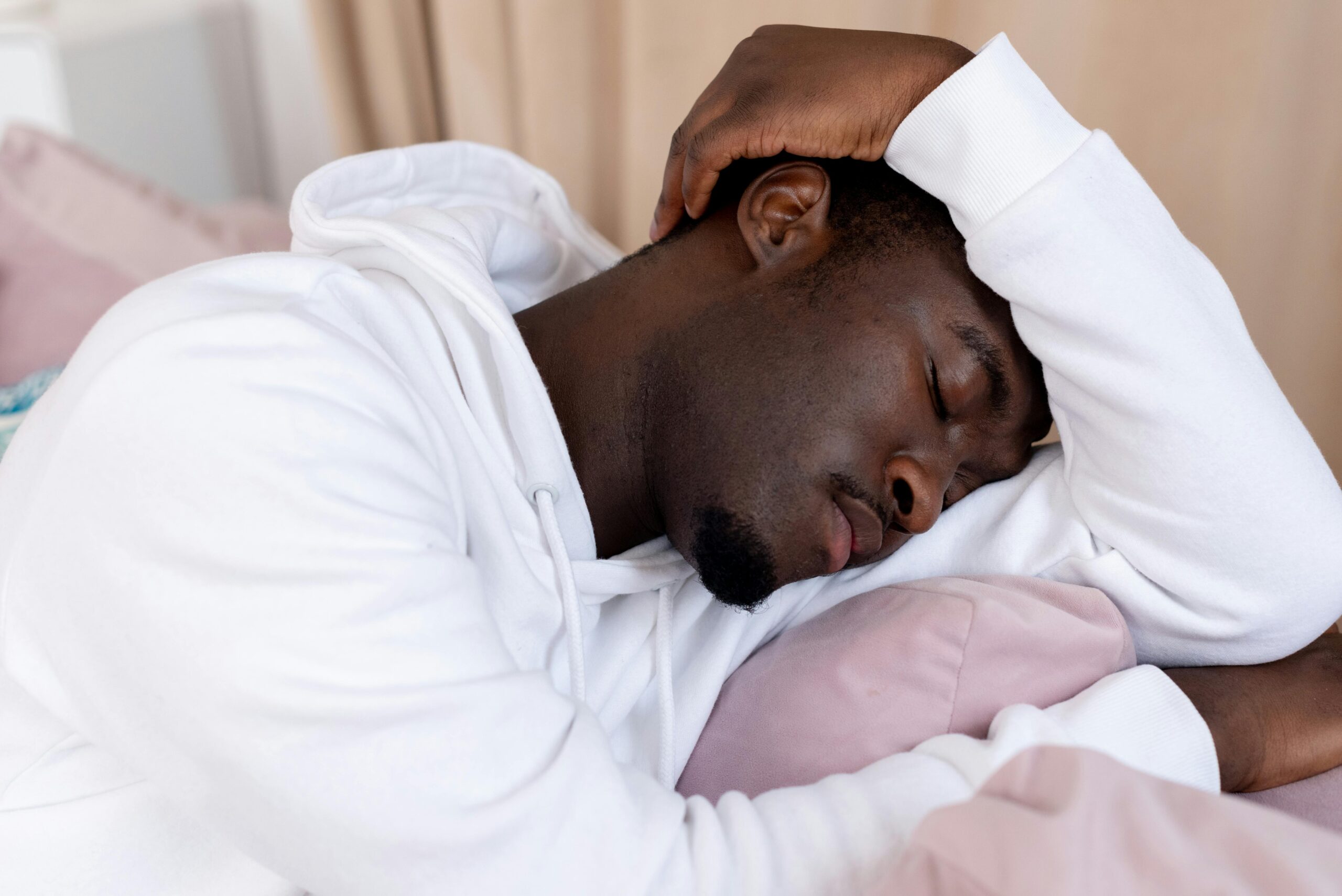
Sleep loss, or sleep deprivation, is rarely planned. It happens slowly.
One late meeting.
One long commute.
One early call.
One more message before bed.
For busy professionals across African cities, sleep is often the first thing sacrificed—and the last thing restored. Over time, short nights and broken sleep quietly increase stress, drain energy, and push the body closer to burnout.
This post explains how sleep deprivation fuels stress and burnout in African professionals, the early warning signs many people miss, and safe ways to protect sleep with guidance from your own trusted doctor.
This article supports the post: Shocking Truth About Stress and Burnout in High-Pressure Jobs: 13 Hidden Triggers You Must Fix Today
Sleep Deprivation Is Common Among African Professionals
Professionals in African cities face unique pressures that interfere with sleep—both quantity and quality. Even when professionals go to bed on time, sleep is often light, interrupted, or unrefreshing. Common contributors include:
- long and unpredictable traffic
- early morning meetings
- late-night emails and WhatsApp messages
- heat and humidity
- noise from traffic, generators, and neighbors
- power interruptions
- heavy workloads
- frequent travel
- family and community responsibilities
Sleep Loss and Stress: A Two-Way Problem

Sleep deprivation and stress feed each other. This creates a loop that slowly pushes professionals toward burnout. Many people say, “I’m tired, but my mind won’t switch off.” This is a classic stress-sleep pattern.
- stress makes it harder to fall asleep
- poor sleep increases stress hormones
- high stress disrupts deep sleep
- broken sleep lowers stress tolerance
Poor Sleep Pushes the Body Toward Burnout
Sleep is when the body resets. When sleep is cut short or broken, recovery does not fully happen. These are also early burnout symptoms, which is why sleep deprivation is often the first step toward burnout. Over time, poor sleep can lead to:
- constant fatigue
- emotional irritability
- reduced patience
- mental fog
- slower decision-making
- low motivation
- reduced resilience to pressure
Early Sleep-Related Burnout Warning Signs
Many professionals ignore sleep-related signals because they seem “normal.” When these signs persist, sleep deprivation is no longer harmless. Watch for:
- waking up tired most days
- needing strong coffee to function
- feeling alert late at night but exhausted in the morning
- difficulty concentrating during meetings
- increased irritability
- feeling emotionally flat
- crashing hard on weekends
Sleep Problems Feel Worse in African Cities
Urban African environments add layers of stress that make recovery harder. Even when professionals “sleep enough hours,” the quality of sleep may be poor. These include:
- nighttime noise that does not fully stop
- hot nights that disrupt deep sleep
- early morning street activity
- light pollution
- irregular power supply affecting fans or cooling
- long commutes reducing total rest time
Busy Professional Sleep Trap
Many African professionals fall into this pattern. This cycle weakens the body’s natural sleep rhythm and increases stress sensitivity.
- Short sleep during the workweek
- Heavy caffeine use to cope
- Late nights catching up on work
- Weekend oversleeping
- Sunday night restlessness
- Monday exhaustion
‘Pushing Through’ Sleep Loss Backfires
High-performing professionals are trained to push through discomfort. With sleep loss, this strategy fails. These habits keep the nervous system alert when it should be resting. Common coping habits that worsen sleep include:
- drinking caffeine late in the day
- working in bed
- sleeping with phones nearby
- checking messages at night
- skipping meals or eating late
- ignoring sleep problems
Simple Sleep Protection Habits for Stressed Professionals
Sleep improvement does not require perfection. It requires a small consistency. Even small changes, when done daily, can lower stress and improve sleep quality. These may be helpful, realistic steps:
- Keep a regular bedtime and wake time when possible
- Reduce screen use 30 minutes before bed
- Dim lights in the evening
- Keep the bedroom as cool and quiet as possible
- Avoid heavy meals right before sleep
- Stretch gently before bed
- Use calming routines to signal “wind-down” time
Sleep, Travel, and Burnout
Professionals who travel frequently face extra sleep strain. Tracking how travel affects sleep—and sharing patterns with your personal doctor—helps prevent burnout from building unnoticed. Common travel-related sleep problems:
- jet lag
- sleeping in unfamiliar rooms
- late arrivals
- early departures
- irregular meals
Sleep Problems Should Trigger Action
Early discussion prevents deeper exhaustion and longer recovery. You should speak with your own doctor if:
- poor sleep lasts longer than 2–3 weeks
- feel tired even after “enough” sleep
- sleep problems affect mood or work
- rely heavily on caffeine
- night waking becomes frequent
- stress and sleep worsen together
Why Ongoing Contact With Your Own Doctor Matters
Sleep problems linked to stress and burnout often change over time. A doctor who knows you well can:
- track sleep and stress patterns
- notice early warning signs
- guide safe adjustments
- help rule out other concerns
- support long-term recovery
This kind of continuity of care protects busy professionals far better than one-off advice.
What Not to Do When Sleep Is Poor
Many professionals delay action or self-manage in ways that worsen burnout. Sleep issues are easier to address early. Avoid:
- increasing caffeine instead of resting
- ignoring sleep changes
- relying on screens to “relax”
- self-medicating without guidance
- waiting for a holiday to fix everything
FAQs: Sleep Deprivation, Stress, and Burnout
Q1: Can poor sleep really cause burnout?
Poor sleep alone does not cause burnout, but it plays a significant role in pushing the body towards it. Sleep is when the body resets stress hormones, repairs tissues, and calms the nervous system. When sleep is short or broken:
- stress hormones stay high
- emotional control weakens
- mental focus drops
- recovery does not happen fully
Over time, this makes everyday pressure feel overwhelming. Poor sleep lowers resilience, leading to stress build-up, and burnout develops easily.
Q2: Is it normal to sleep less during busy periods?
Short periods of reduced sleep can happen during demanding times. Many professionals experience this during projects, travel, or deadlines. Ongoing sleep loss places constant strain on the body. The problem begins when:
- short sleep becomes the norm
- fatigue lasts for weeks
- rest no longer restores energy
- irritability and mental fog increase
If busy periods never end, sleep deprivation quietly turns into chronic stress.
Q3: Can stress improve once sleep improves?
Often, yes. Many professionals notice that once sleep improves, stress feels more manageable—even when work demands stay the same. Sleep does not remove pressure, but it strengthens your ability to handle it. Better sleep helps:
- lower stress hormone levels
- improve mood stability
- restore patience and focus
- increase emotional resilience
Q4: Should I discuss with my doctor about sleep, even if I’m busy?
Yes. Sleep is not a small issue—it is a foundation for health and performance. You do not need severe symptoms to start the conversation. Early discussion protects your energy, clarity, and long-term well-being. Talking to your personal doctor helps:
- identify sleep patterns linked to stress
- catch early burnout warning signs
- guide safe, realistic adjustments
- prevent long-term exhaustion
Q5: How long should sleep problems last before I take them seriously?
If sleep problems persist for two to three weeks or recur, it is time to act. Early attention leads to faster recovery and lowers burnout risk. Signs to take seriously include:
- waking up tired most days
- poor sleep despite going to bed on time
- relying heavily on caffeine
- sleep problems worsen during stress
Q6: Why is sleep deprivation more common in African cities than in quieter settings?
Sleep deprivation is more common in African cities because daily living conditions add extra strain to rest and recovery. Even when professionals go to bed early, these conditions often lead to broken or shallow sleep.. Common urban factors include:
- night-time noise from traffic, generators, and neighborhoods
- heat and humidity disrupt deep sleep
- early morning street activity
- light pollution
- Irregular power supply affecting fans or cooling
- long commutes that shorten total sleep time
Over time, this makes stress difficult to manage and increases the risk of burnout. Intentional sleep protection and ongoing guidance from a personal doctor help professionals recover—even within busy African city environments.
Q7: How does frequent travel affect sleep and burnout in African professionals?
Frequent travel places extra strain on sleep and recovery, especially for professionals who already manage high stress. These disruptions reduce sleep quality and make it harder for the body to reset stress levels.
Common travel-related sleep challenges include:
- irregular sleep and wake times
- sleeping in unfamiliar environments
- late arrivals and early departures
- crossing time zones
- missed meals or late eating
Over time, repeated travel without adequate recovery increases the risk of burnout. Tracking how travel affects your sleep and sharing these patterns with your personal doctor allows for safer planning, better recovery strategies, and lower long-term strain.
Protect Your Sleep. Protect Your Performance.

For busy African professionals who carry heavy responsibilities, sleep problems are rarely isolated. They are often the first visible sign that stress is exceeding recovery—small changes in sleep quality signal deeper strain long before burnout becomes obvious.
Sleep is not weakness. It is recovery. Without sleep, stress grows faster, and burnout arrives sooner.
Protecting sleep—through small habits and ongoing guidance from your trusted doctor—helps you stay sharp, calm, and resilient, even in demanding urban environments, way before exhaustion takes control.
Your work depends on your clarity.
Your clarity depends on your recovery.
And recovery starts with sleep.
Your energy matters. And sleep protects it.