

Few things worry parents more than a cough that starts—or worsens—at night. A child who seems fine during the day may begin coughing once the lights go off. Sleep is disrupted. Parents lie awake listening, wondering if something is wrong.
In African settings, nighttime cough is common. Dust, dry air, humidity, smoke exposure, infections, and sleeping arrangements all play a role. Most nighttime coughs are not emergencies, but they deserve careful observation.
This guide explains why children cough more at night, the most common triggers in African homes, and when parents should reach out to a personal doctor who knows the child well.
For the broader picture on repeated breathing problems, see Recurring Cough, Cold, and Respiratory Issues in African Children: Safe Monitoring and Act Early
Coughs Often Get Worse at Night
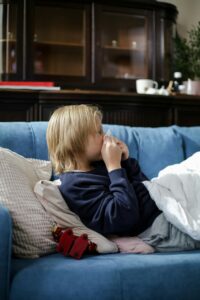
Nighttime changes how the body behaves. At night, there are also fewer distractions. A mild cough that goes unnoticed during play may feel louder and more frequent in silence. When children lie down:
- mucus settles in the throat
- airways may feel narrower
- dry or cool air irritates the breathing passages
- cough reflex becomes more noticeable
All these may happen, but they do not automatically mean serious.
Common Nighttime Cough Triggers in African Children
Understanding triggers helps parents monitor calmly rather than guessing.
1. Dry Air and Dust Exposure
Dry air can trigger dry, tickly coughing, especially in the early hours of the night. Children living near unpaved roads or dusty areas may experience this more often. During harmattan and other dry periods:
- air becomes very dry
- dust particles irritate the throat
- children cough more once they settle to sleep
2. Post-Nasal Drip from Colds
After a cold, mucus may continue to drip from the nose into the throat. This type of cough often sounds wet or rattly and may be worse when the child first lies down or early in the morning. At night:
- lying flat allows mucus to pool
- throat becomes irritated
- coughing increases
3. Household Smoke and Indoor Air Quality
Many African homes may be poorly ventilated. They rely on:
- firewood
- charcoal
- kerosene
- gas
Smoke particles linger in the air long after cooking ends. At night, when windows are closed, irritation can increase. Children exposed to cooking smoke during the day may cough more at night as their airways react.
4. Sleeping Position and Bedding
Simple things matter. Children who cough less when propped slightly upright may be reacting to mucus or reflux rather than infection. Night coughing may be triggered by:
- sleeping flat on the back
- dusty mattresses or pillows
- old bedding that traps dust
- sharing beds in crowded rooms
5. Humidity and Damp Environments
Nighttime cough in these areas may worsen after rainfall or in poorly ventilated rooms. In coastal or rainy regions:
- humidity stays high
- mold may grow in walls or ceilings
- damp air irritates sensitive airways
6. Cold Night Air
Cold air can irritate the throat and trigger coughing when children breathe deeply during sleep. Inland or high-altitude areas often experience:
- cool nights
- temperature drops after sunset
7. Recent Illness or Recovery Phase
Many nighttime coughs happen after the worst of an illness has passed. This can be frustrating, but it is often part of the healing. During recovery:
- airways remain sensitive
- mucus clears slowly
- coughing persists even when the fever is gone
Parents Can Observe Nighttime Cough Patterns
Parents do not need special tools. Keen observation or close monitoring is the key.
👂 Listen to the Sound
- Is it dry or wet?
- Is it deep or shallow?
- Does it come in bursts or continuously?
🛌🏿 Note the Timing
- Does coughing start soon after sleep?
- Does it worsen in early morning hours?
- Does it wake the child fully?
Timing often gives important clues.
🧘🏿♂️ Watch the Child’s Daytime Behavior

Night coughing is more concerning if:
- child is tired during the day
- appetite drops
- playfulness reduces
A child who sleeps poorly but plays happily during the day is often less concerning.
When Nighttime Cough Is Usually Mild
Night coughs are often mild. In these cases, calm monitoring and environmental adjustments are often enough.
- child has no breathing difficulty
- no persistent fever
- energy and appetite are normal
- cough slowly improves over the days
Simple Supportive Steps for Parents
These are supportive, not treatments. If symptoms persist, guidance from a trusted doctor is safest.
- improve ventilation where possible
- reduce smoke exposure
- shake out bedding regularly
- encourage fluids
- keep sleeping areas as dust-free as possible
Continuity of Care Matters for Nighttime Symptoms
Night coughs rarely tell their full story in one visit. Continuity allows doctors to:
- compare past nighttime symptoms
- understand seasonal triggers
- review growth and sleep patterns
- avoid unnecessary treatments
- intervene early when needed
This long-term view protects children and reassures parents.
When Should Parents Contact Their Personal Doctor
A doctor who knows the child’s history can judge whether this is expected or needs closer follow-up. Reach out when nighttime cough:
- persists for weeks
- gets steadily worse
- fast or noisy breathing
- frequent waking or distress
- linked to poor weight gain
- reappears often in the same pattern
ChextrMD Supports Families
ChextrMD supports families who already have a trusted doctor and want stronger continuity of care, especially when symptoms like nighttime cough persist. It does not replace clinic visits or emergency care.
Instead, it helps maintain ongoing guidance, monitoring, and follow-up between families and their own physicians.
🫰 Gentle Next Step for Parents: If nighttime coughing keeps returning or disrupts your child’s sleep, staying closely connected with a doctor who knows your child’s history can bring clarity and peace of mind.
Parent Quick-Check: Nighttime Cough
Use this simple check to guide calm monitoring at home.
✔ Usually Mild if:
- child coughs but settles back to sleep
- breathing stays calm and quiet
- energy and appetite are normal during the day
- cough slowly improves over a few days
⚠ Needs Closer Attention if:
- cough wakes the child repeatedly
- breathing sounds fast, noisy, or strained
- cough lasts weeks without improvement
- child seems tired, irritable, or less playful
- appetite drops or weight gain slows
📌 Helpful to Track:
- time cough starts at night
- dry or wet sound
- season or weather changes
- dust, smoke, or cold air exposure
- recent illness or travel
👉 Next Safe Step: If patterns repeat or feel unclear, stay connected with a personal doctor who knows your child’s history. Ongoing guidance over time helps ensure safer, calmer decisions.
FAQs: Nighttime Cough in African Children
Why does my child cough only at night?
At night, several things change simultaneously. When a child lies flat, mucus from the nose or throat can settle and irritate the airway. Cooler or drier air may also trigger coughing.
During the day, movement and swallowing help clear mucus, so the cough is less noticeable. Nighttime coughing alone does not automatically mean a serious illness.
Is a nighttime cough always a sign of asthma or chest disease?
No. While some long-term breathing conditions can cause nighttime coughing, many children cough at night due to environmental factors, recent colds, dust exposure, or dry air.
What matters more is how often the cough returns, how long it lasts, and whether it changes over time. A doctor who knows the child’s history can determine more safely than with a single visit.
Should I wake my child when they cough at night?
If your child coughs briefly, settles back to sleep, and breathes comfortably, waking them is usually not necessary. Sleep helps recovery.
However, if the cough causes distress, repeated waking, rapid breathing, or discomfort, it is best to note this and discuss this pattern with your doctor.
Can harmattan make a night cough worse?
Yes. Harmattan and other dry seasons bring dust and very low humidity. These irritate the throat and airways, especially at night when the air is cooler and drier. Many children develop dry, tickly coughs during this period, even when they are otherwise well.
Why does my child cough more in the early morning hours?
Coughing early in the morning often happens because mucus has pooled in the throat overnight. As the child wakes and begins to move, the body tries to clear it.
This can sound alarming, but it is often part of normal recovery after a cold or during allergy season.
Can sleeping position affect nighttime coughing?
Yes. Children who sleep completely flat may cough more if mucus or stomach contents irritate the throat. Some parents notice improvement when the child’s head is slightly raised. Always ensure sleeping arrangements are safe and comfortable.
Does indoor air quality affect nighttime cough?
Very much. Smoke from cooking, dust from bedding, mold in damp rooms, or poor ventilation can irritate airways more at night when windows are closed. Improving airflow and reducing smoke exposure often helps reduce nighttime coughing.
When should a nighttime cough worry parents?
These patterns are easier to understand when a doctor knows the child over time. Parents should contact their personal doctor if they have a nighttime cough:
- persists for several weeks
- gets worse instead of improving
- comes with fast or noisy breathing
- disrupts sleep regularly
- linked with poor appetite or weight loss
- follows the same pattern repeatedly
Protect Your Child’s Sleep and Long-Term Breathing Health

Most nighttime coughs in African children are mild and temporary. Parents do not need to diagnose the cause. These are often linked to the environment, seasons, or recovery from illness.
Most improve with time. What matters is watching patterns, reducing triggers, and staying connected to a trusted doctor. Careful observation, reducing triggers, and staying connected to a trusted doctor help ensure children breathe easier—day and night.
Consistent follow-up over time often leads to safer decisions and less stress for families.