
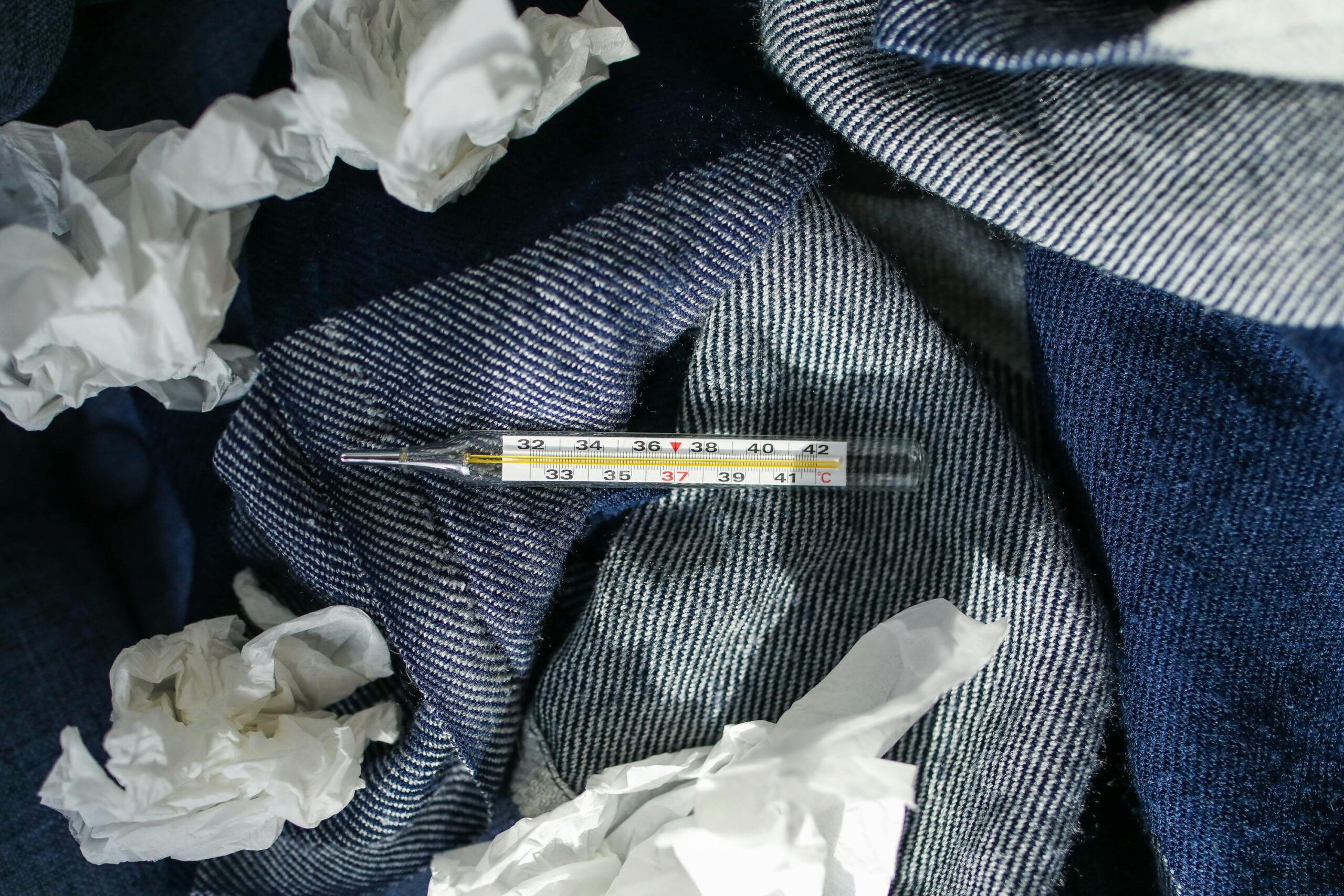
Many adults in Africa have noticed a peculiar pattern. They feel mostly fine during the day. But at night, fever and sweats return. The body feels hot. The bed becomes damp. By morning, they feel almost normal again. This nighttime fever pattern is common in malaria and can be one of the earliest signs of the disease.
This guide explains why malaria fever often comes at night, what this means for your health, and how to monitor it safely. It also supports the main article, “9 Early Malaria Symptoms Africans Commonly Miss (And How to Catch Them Safely),” by focusing on the nighttime pattern that many people often overlook.
Malaria Fever Comes in Cycles
Malaria parasites enter the red blood cells. Inside these cells, they grow and divide. After a certain number of hours, many infected cells burst quickly, releasing new parasites into the blood. When this bursting happens, the immune system reacts with: chills ➙ fever ➙ sweating
This process follows a cycle that depends on the parasite type, every 24 or 48 hours. In many adults, the timing of this burst happens late in the day or at night.
Main Reasons Malaria Fever Often Comes at Night
🦟 1. The Malaria Parasite Has a Daily Cycle
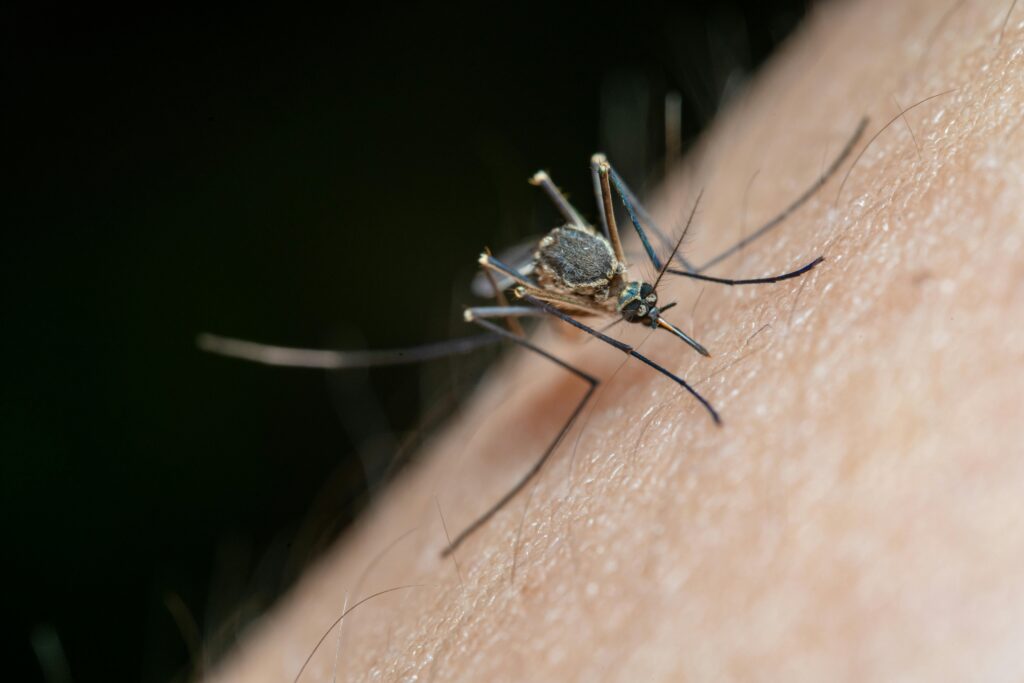
Malaria parasites live inside red blood cells. Some malaria parasites sync their life cycle with the day–night rhythm of the human body. They grow, multiply, and burst out in cycles. When they burst from red blood cells in larger numbers, the fever tends to occur at similar times each day, often at night.
When infected red blood cells burst:
- parasites are released into the blood
- immune system reacts strongly
- fever, chills, and sweating begin
🧠 2. Natural Body Temperature Rhythm
Even in healthy people, the human body’s temperature:
- lower in the early morning
- gradually rises through the day
- peaks in the late evening or night
When malaria is present, this small natural rise can push the body over the fever threshold at night, even if the morning temperature looks almost normal. This makes the fever more noticeable at night, even if the infection has been present all day. This is why adults may:
- feel “normal” in the morning
- feeling cold or tired in the evening
- develop chills or fever after sunset
🦠 3. Immune Response Is Stronger During Rest
At night, when the body is resting:
- immune system becomes more active
- inflammatory responses increase
- fever responses become stronger
This increased immune activity helps fight infection—but it also makes fever and symptoms more noticeable while you are asleep. Other symptoms are chills, sweating, and headache. Malaria fever often flares during this immune response window.
🩸 4. Partial Immunity Makes Daytime Symptoms Mild
Many African adults have partial immunity from repeated exposure to malaria over the years. This can cause:
- lower fever during the day
- milder symptoms initially
- fever that appears only at night
Partial immunity does not mean protection from complications. It simply changes how symptoms appear, making malaria easier to miss.
🕰️ 5. Evening Fatigue Makes Symptoms More Noticeable
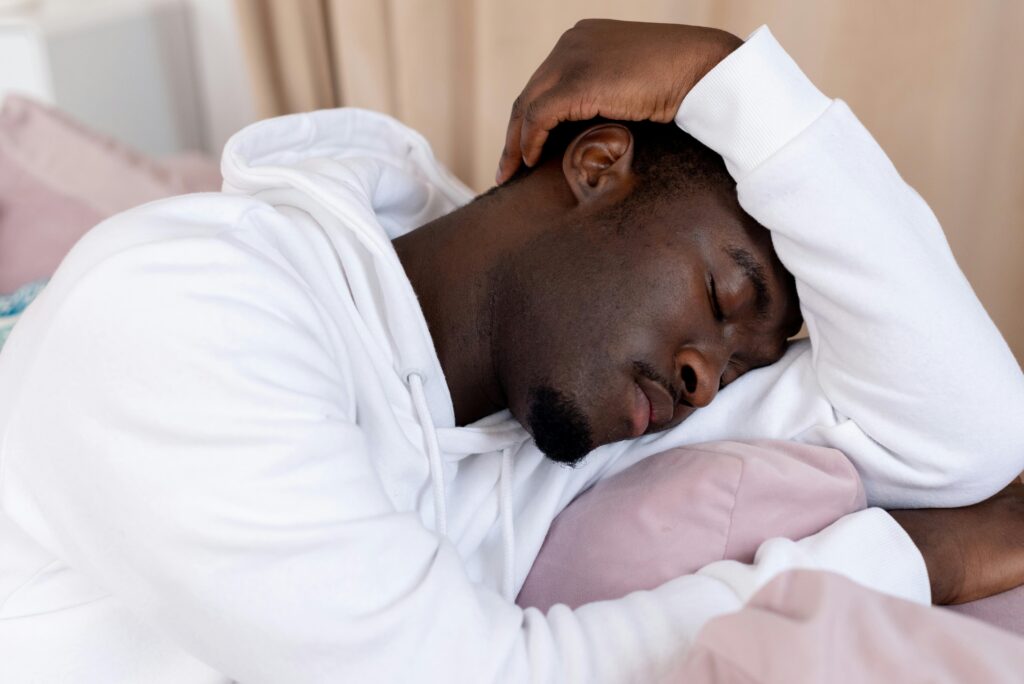
During the day, you may be busy with work and family. By evening, you are lying still and more aware of body sensations.
- energy levels drop
- dehydration may increase
- hunger or exhaustion sets in
This makes nighttime discomfort, chills, and fever more noticeable, exacerbating malaria symptoms at night, even if the infection is present during the day.
🌧️ 6. Night Fevers Are Common During Rainy Seasons
During rainy seasons:
- mosquito exposure increases
- malaria transmission rises
- reinfection risk is high
Adults may experience night-time fever:
- days or weeks after a mosquito bite
- without remembering exposure
This seasonal pattern strengthens the night-fever association.
🪔 7. Environmental Factors
In some homes, nights may be poorly ventilated, warm, humid, and crowded. These factors worsen a fever at night and increase sweating.
Common Night-Time Malaria Symptoms in Adults
If these symptoms last for two or three nights in a malaria area, malaria testing should be considered. Adults with night malaria patterns often notice:
- sudden chills, followed by heat and heavy sweating
- strong tiredness in the evening
- headache that worsens at night
- warm body, even when the room feels cool
🌙 Night-Time Fever Feels Confusing
Night fevers are easy to dismiss because:
- feeling almost normal in the morning
- still work or move around during the day
- fever appears only in the evening or late at night
This pattern creates false reassurance. But in malaria-endemic regions, evening or night fever is a classic early warning sign that deserves attention.
⚠️ Night-Time Malaria Fever Is Often Missed
Adults often:
- take painkillers at night and sleep
- feel better in the morning and move on
- delay testing because the fever is not constant
This cycle can repeat for several nights before care is sought—allowing malaria to worsen quietly.
🧪 Testing Should Not Wait for Daytime Fever
Malaria testing does not require a high daytime fever. Early testing helps confirm malaria or identify other causes before complications develop. You should test if you have:
- recurring evening or night fever
- night chills or sweating
- headache or fatigue with night fever
- fever returning at the same time each night
🔁 Night Fever and Recurrent Malaria
If fever returns weeks or months later—especially at night—retesting is essential. Night-time fever is also common when:
- malaria is relapsing
- parasites were not fully cleared
- reinfection has occurred
For a deeper understanding, see this related post: Malaria Relapse Patterns in African Adults: Why Fever Returns Weeks or Months Later
🚨 When Night-Time Fever Needs Urgent Care
These signs may indicate severe malaria or another serious illness needing hospital care. You should seek emergency or same-day medical care if night fever is combined with:
- difficulty breathing
- strong chest pain
- confusion
- yellow eyes or very dark urine
- repeated vomiting
- severe weakness
👨🏼⚕️How Your Doctor Evaluates Night-Time Fever
Your doctor may ask:
- How many nights have you had a fever?
- Are you using a mosquito net?
- Have you had contact with anyone who has TB or a long cough?
- Have you travelled recently?
They may request:
- malaria testing
- chest examination and possibly a chest X-ray
- blood or urine tests, if needed
This helps them work out whether the cause is malaria, TB, another infection, or something else.
🧖🏼 Safe Home Monitoring for Night-Time Fever
A simple fever diary can help your doctor see the night pattern clearly. You can monitor safely at home while arranging to see your doctor:
- measure your temperature in the evening and before sleep.
- note the time, temperature, and main symptoms.
- check again in the morning to see if the temperature has dropped.
- drink clean water regularly throughout the day.
- avoid self-starting malaria drugs without testing.
🙌🏼 Night Fever Should Not Be Ignored
Night-time fever is not just a comfort issue. It is often a medical signal that something deeper is happening in the body. While malaria is a common cause, other serious illnesses common in Africa can also cause fever that returns at night.
When fever keeps coming back in the evening or during sleep, it requires medical attention — not just home adjustments.
Night Fever Can Signal Serious Infections
These illnesses may start quietly, with night fever as one of the earliest signs. Because symptoms are mild during the day, diagnosis is often delayed. Repeated night fever is seen in conditions such as:
- tuberculosis
- certain chronic bacterial infections
- some long-lasting viral illnesses
- bloodstream infections
Night Fever Is Often a Pattern, Not an Accident
Fever that:
- appears at the same time every night
- comes with night sweats or chills
- improves by morning but returns again
This pattern suggests an ongoing infection, not a simple reaction to cold weather, poor bedding, or room temperature. Changing blankets or opening a window may make you feel more comfortable, but it does not address the cause.
Delaying Care Allows Infections to Worsen
Some infections are easier to manage when detected early, but much harder once symptoms become severe. When night fever is ignored:
- infections continue to spread in the body
- organ damage may develop quietly
- treatment becomes more complex later
Night Fever Is Common in Chronic Illness
Certain diseases develop slowly and show their symptoms mainly at night. Night fever may be the only early warning sign before more serious symptoms appear. Adults may:
- continue working during the day
- lose weight slowly
- feel tired without a clear cause
Self-Treatment Masks Essential Clues
This makes it harder for doctors to see the full picture when care is finally sought. Taking painkillers at night may:
- reduce fever temporarily
- delay testing
- hide disease progression
👀 What to Do Instead
Early assessment helps rule out malaria and detect other serious causes safely. If night fever:
- happens repeatedly
- returns over several days
- comes with weight loss, cough, fatigue, or weakness
You should:
- seek medical evaluation
- request proper testing
- share the fever pattern clearly with your doctor
Night fever is not something to manage alone. It is the body’s way of asking for attention. Ignoring it allows the infection to grow stronger.
Do not wait. ➔ Do not guess. ➔ Get checked early.
That decision protects your health and prevents minor problems from ballooning into dangerous ones.
🩺 Why Ongoing Contact With Your Own Doctor Matters
Night-time fever can be confusing, especially when you feel almost normal during the day. Having a doctor who knows you and your health history can make each episode safer. Your doctor can:
- Review your temperature readings and symptoms over several days.
- Guide you on when testing is urgent.
- Help you separate malaria from other causes of night fever.
- Support you through recovery and check that the pattern truly stops.
Some doctors also use secure digital tools to stay in touch with their own patients between visits for non-emergency questions. These tools do not replace in-person examinations or hospital care when needed, but they can support continuity of care.
Ongoing doctor-patient relationships help catch malaria before it becomes dangerous, especially when symptoms are subtle. If you have any danger signs such as confusion, trouble breathing, or very dark urine, seek urgent or emergency in-person care.
✅ Key Takeaways
- Malaria fever often comes at night due to the parasite’s cycles
- Natural body temperature changes make fever worse in the evening
- Partial immunity hides daytime symptoms
- Repeated night fever should never be ignored
- Early testing is safer than waiting
- Night fever can signal relapse or reinfection
🧡 Night Fever Is a Clue, Not Just a Comfort Issue
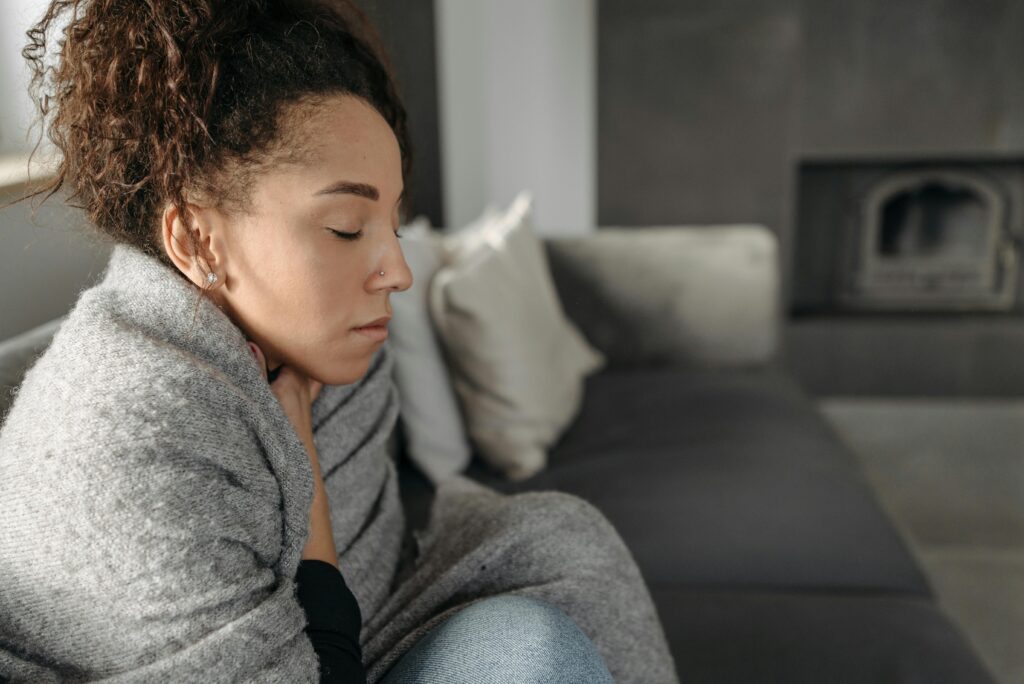
Night-time fever is not random. A fever that appears mostly at night is a meaningful signal. In malaria-endemic regions, it may be one of the earliest signs of infection. It can also point to other conditions, such as TB. If the fever keeps coming back at night—listen to it.
Test early
Avoid assumptions
Stay connected to your doctor
Together, that careful attention can prevent serious illness and protect long-term health.