
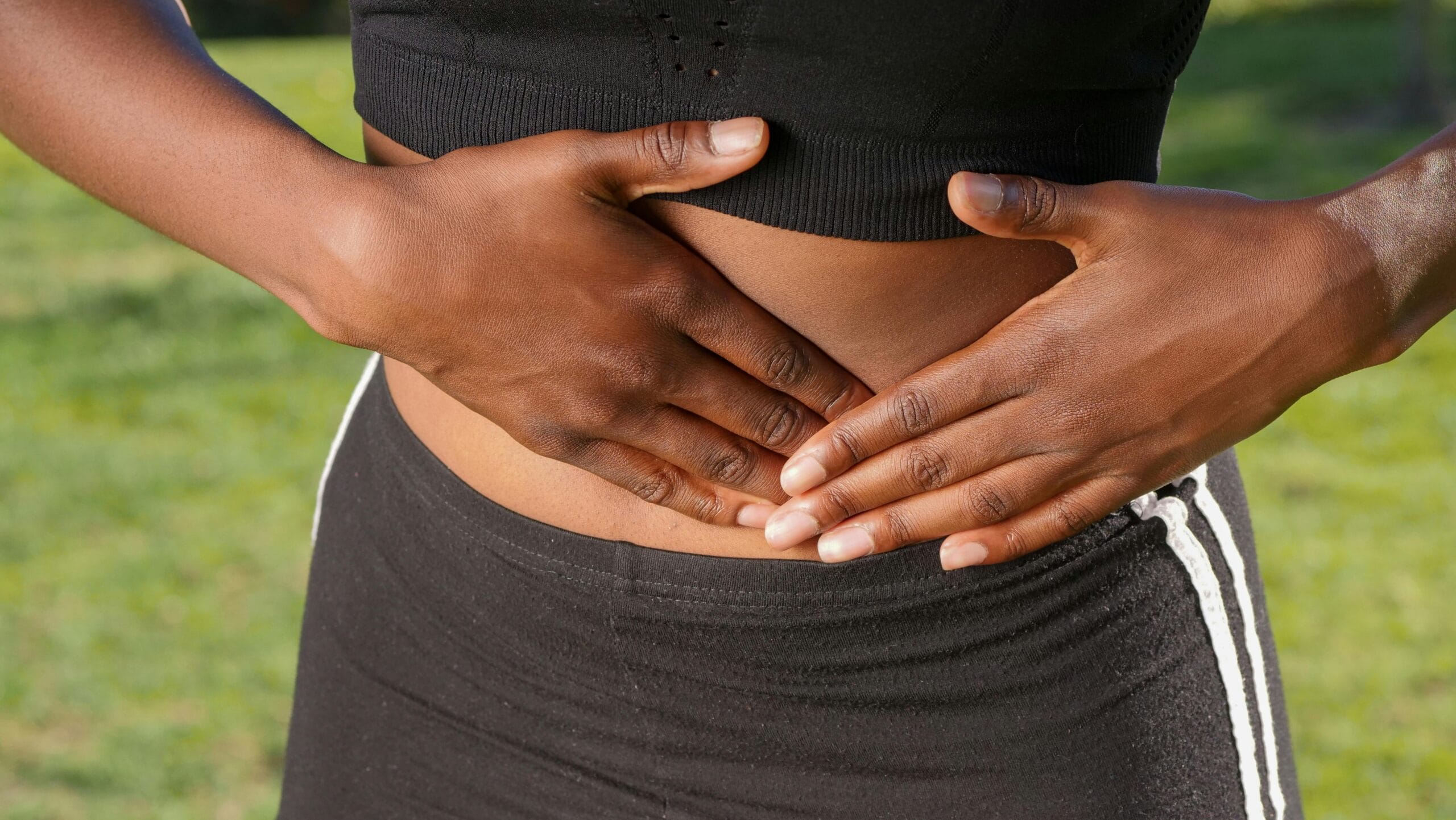
When an adult feels left side stomach pain, it can be worrying. You may ask yourself, “Is this gas, or something serious?” You might think of an ulcer, kidney problems, or even your heart.
The truth is that many different organs live on or near the left side of the abdomen. Some causes are simple and pass quickly. Others need a proper medical review.
This guide explains common causes of left side stomach pain in adults, danger signs, and how working closely with your doctor can help you move from fear to clarity.
Where Is the “Left Side” of the Stomach?
When we talk about left side stomach pain, we usually mean:
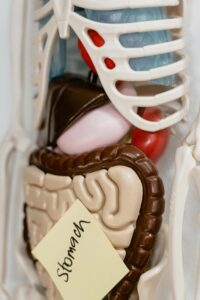
- upper left abdomen (under the left ribs)
- middle left abdomen
- lower left abdomen
Organs in or near this area include
- part of the stomach
- part of the large intestine
- part of the small intestine
- left kidney and ureter
- spleen (high up under the ribs)
- in women, the left ovary and fallopian tube
This is why many different problems can cause pain in the same place.
Common Mild Causes of Left Side Stomach Pain
Some causes are uncomfortable but not usually dangerous.
1. Gas and Indigestion
Gas can get trapped in the bends of the large intestine on the left side. You may notice:
- crampy or sharp pains that come and go
- bloating
- relief after passing gas or stool
This can follow:
- heavy or spicy meals
- eating too fast
- drinking fizzy drinks
2. Constipation
Constipation can cause pain anywhere in the lower or left abdomen. Simple steps such as fluids, fibre, and gentle movement can help, but ongoing or severe constipation needs a medical plan. Signs include:
- hard, dry stool
- straining on the toilet
- feeling “blocked” or not fully empty
3. Muscle Strain
Sometimes the pain does not come from an organ inside, but from muscles in the abdominal wall. This usually improves with rest and simple pain relief as advised by your doctor. You may have:
- pain after heavy lifting or intense exercise
- pain that gets worse with certain movements
Other Possible Causes of Left Side Stomach Pain
4. Gut Pockets (Diverticular Disease)
In some adults, especially older adults, small pockets can form in the wall of the large intestine. When these pockets get inflamed, they can cause pain, usually in the lower left abdomen. This condition needs medical review and sometimes hospital care. Signs may include:
- continuous lower left pain
- fever
- changes in stool
5. Kidney or Urinary Problems
The left kidney sits toward the back, but kidney pain can sometimes be felt in the side or front. These signs suggest a kidney infection or stone. Both need medical evaluation. You may notice:
- pain in the side or back that moves toward the lower abdomen
- pain or burning when passing urine
- fever and chills
- needing to pass urine very often
6. Spleen Problems
The spleen lies high up on the left side under the ribs. Certain infections, blood conditions, or injuries can affect the spleen and cause left upper abdominal pain. This is less common but can be serious, especially after a blow to the left side of the body.
7. Women’s Health Causes
For women, the left lower abdominal pain can also come from the reproductive organs. Any sudden, severe one-sided pain, especially with bleeding or dizziness, needs urgent review, as it could be an ectopic pregnancy or other emergency. Examples include:
- painful ovulation
- ovarian cyst on the left side
- pelvic infections
When Left Side Stomach Pain in Adults Is an Emergency
These symptoms can be serious internal problems that cannot be managed at home. Seek urgent in-person care if left side pain stomach is joined by:
- sudden, very severe pain
- pain after a fall or direct hit to the left side
- high fever
- vomiting blood or dark material
- black, tar-like stool
- heavy vaginal bleeding (in women)
- dizziness, fainting, or a rapid heartbeat
Safe Steps at Home While You Wait for Advice
If your stomach pain is mild, comes and goes, and you do not have danger signs like fever, vomiting blood, severe weakness, or persistent vomiting, there are a few safe steps you can take at home while you wait to speak with your doctor.
These steps focus on comfort, safety, and prevention of complications, especially in common African living and working conditions.
❇️ What You Can Safely Do
1. Rest—Especially in Hot Weather
Your body heals better when you rest. Sometimes, rest alone can calm mild stomach irritation.
- avoid heavy work, exercise, or lifting
- try to lie on your side or back in a comfortable position
- gentle movement is okay, but stop if pain increases
In many African regions, heat and physical labor can worsen stomach pain. Even one day of rest can make a difference.
- rest in a cool, shaded area, if possible
- avoid farm work, construction work, long market hours, or street vending while in pain
- heat increases dehydration, which can worsen cramps and stomach irritation
2. Drink Safe Fluids—Water Safety Matters
Unsafe water is a major cause of stomach problems in many African communities.
- drink boiled, filtered, or treated water
- use oral rehydration solution (ORS) if you have diarrhea or feel weak
- sip slowly, especially if nausea is present
- avoid drinking large amounts at once
Dehydration can make stomach pain worse. Clean hydration protects the stomach and prevents complications. If water safety is uncertain:
- boil water for at least one minute
- avoid ice, roadside drinks, or unsealed sachet water
3. Eat Light, Local, Easy-to-Digest Foods
Give your stomach a break. Take foods that are easily digested and less likely to cause stomach irritation. Heavy meals can worsen pain, especially in hot climates. Safe options include:
- soft maize porridge or pap
- boiled rice
- bananas
- plain bread or toast
- boiled yams or plantains
4. Avoid Trigger Foods
Certain foods can worsen pain, especially when the stomach is sensitive. Stick to simple meals until you feel better. Avoid:
- very spicy or pepper-heavy meals
- fried street foods
- very oily stews
- alcohol
- strong coffee or energy drinks
5. Avoid Alcohol and Herbal Mixtures
Alcohol and unregulated herbal remedies are common triggers. If the cause of pain is unknown, avoid herbal treatments until a doctor advises otherwise.
- alcohol irritates the stomach lining
- some herbal mixtures can cause ulcers, liver damage, or poisoning
- mixing herbs with painkillers increases risk
6. Pay Attention to Your Symptoms
This information helps your doctor understand what may be happening. Take note of:
- where the pain is located
- what makes it better or worse
- if it changes after eating or drinking
❎ What You Should Not Do
1. Do Not Take Random Antibiotics
Only take antibiotics if prescribed by your doctor for a confirmed reason. Antibiotics:
- do not treat most stomach pain
- make some infections worse
- cause resistance and side effects
2. Do Not Give Yourself Injections at Home
Home injections are risky and unsafe. Injections should only be administered in proper medical settings.
- wrong medication can cause serious harm
- risk of infection is high
- dosage errors can be dangerous
3. Do Not Keep Adding Painkillers
If pain is increasing, painkillers are not the solution. If pain is getting worse:
- repeated painkillers can hide serious symptoms
- some pain medicines irritate the stomach lining
- overuse can cause ulcers or bleeding
When to Contact Your Doctor
Even if the left side stomach pain started mild, reach out to your doctor if:
- pain lasts more than 24–48 hours
- pain becomes sharper or more constant
- feel uneasy or worried about it
- new symptoms appear (vomiting, fever, weakness)
You know your body best. If something feels wrong, it’s okay to ask for help early.
🎴 A Gentle Reminder
Home care is for short-term comfort only. Stomach pain can change quickly, especially in adults.
The Bigger Picture: Stomach Pain Causes in Adults
Left side stomach pain is just one piece of the wider picture. Our main guide on stomach pain causes in adults explains:
- different types and locations of pain
- common causes in African settings
- general danger signs and safe steps
Why Ongoing Contact With Your Own Doctor Matters
Left side stomach pain can have many causes. Some are simple. Others are more serious and need tests or follow-up. Having a regular doctor or clinic that knows your history can make care safer and less stressful. Your doctor can:
- Review exactly where and how the pain feels.
- Look at patterns over days or weeks.
- Connect your pain to your diet, stress, or other health issues.
- Decide when you can safely watch at home and when you must be seen in person.
- Plan any tests (such as blood work, urine tests, or an ultrasound) in a focused way.
Some doctors also use secure digital tools to stay in touch with their patients between visits for non-emergency questions. These tools do not replace in-person examinations or hospital care when needed, but they can support continuity of care.
Respect Left Side Stomach Pain, but Do Not Panic
Left side stomach pain in adults has many possible causes. Some are simple, like gas or constipation. Others are more serious and need careful medical care. You do not need to diagnose yourself.
- notice exactly where the pain sits and what makes it better or worse
- watch for danger signs.
- use gentle home care only when pain is mild, and you feel otherwise well
- reach out to a doctor who knows your history and can offer guidance
If you have ongoing or worrying left side stomach pain, share a clear description and, if possible, a short symptom diary with your doctor or local clinic. Together, you can decide the safest next move. 🍌🥣