
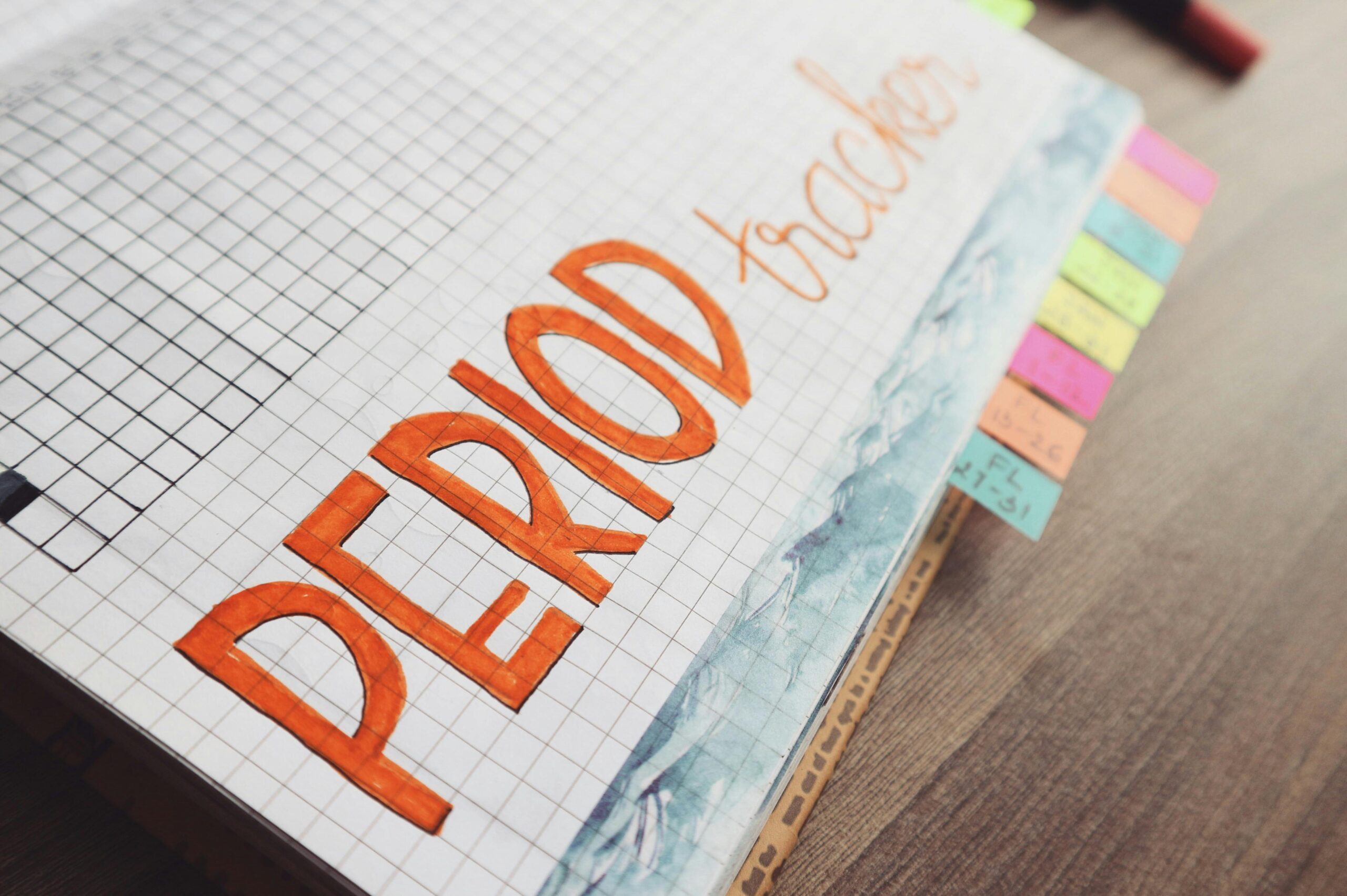
Irregular periods are common. But they are not meaningless. Also, they may be confusing. One month, your cycle is on time. The next month, it disappears. Or comes early. Or lasts too long.
For many women across Africa and globally, many women grow up hearing that menstrual changes are “normal,” “from stress,” or “after childbirth, it will settle.” Sometimes that is true. At other times, irregular periods are early signals that your body is asking for attention–gently but clearly.
This article explains what irregular periods really mean, why they happen in African women, when to involve your personal doctor, the key tests doctors use, and the safest next steps—without panic, myths, or guesswork.
What Counts as Irregular Periods?
A menstrual cycle is usually considered regular when:
- Periods come every 21–35 days
- Bleeding lasts 2–7 days
- The pattern stays mostly the same month to month
Irregular periods happen when:
- Periods skip months
- Cycles shorter than 21 days or longer than 35 days
- Bleeding that comes unpredictably
- Sudden changes in flow or duration (very heavy or very light)
👉 One unusual cycle can happen to anyone. Repeated irregularity deserves attention.
Why Irregular Periods Happen: The Big Picture
A delicate conversation controls the menstrual cycle between:
- the brain (hypothalamus and pituitary gland)
- the ovaries
- hormones like estrogen and progesterone
When something disrupts this conversation, periods change. Think of your cycle like a drumbeat. When the rhythm shifts, something is affecting the drummer.
Why Irregular Periods Are Common in African Women
African women face unique biological, cultural, and lifestyle factors that influence menstrual health, including:
- high stress loads and caregiving responsibilities
- urban work pressure and long commuting hours
- nutrition gaps or rapid weight changes
- limited routine hormone screening
- delayed care due to normalization of symptoms
Understanding context matters. Menstrual health does not exist in isolation.
1. Hormonal Imbalance (root of most irregular cycles)
Hormones act like messengers between the brain and the ovaries. They rise and fall in a precise order during each cycle. When estrogen or progesterone levels shift, cycles change. They become unbalanced and periods may:
- come late
- skip entirely
- become heavier or lighter
Hormonal imbalance can be triggered by:
- poor sleep
- emotional or physical stress
- weight fluctuations
- illness or infection
⚠️ Hormonal changes are signals, not personal failures. Hormonal imbalance does not mean something is “wrong.” It means your body needs attention and monitoring, not guessing.
2. Polycystic Ovary Syndrome (PCOS)
PCOS is one of the leading causes of irregular periods worldwide, including across African populations, though often underdiagnosed. This condition affects ovulation, meaning that eggs may not be released regularly. Without ovulation, periods become irregular or absent. Common features include:
- missed or infrequent periods
- acne or oily skin
- excess hair growth (face, chest, abdomen)
- difficulty with weight regulation
- weight gain around the abdomen
⚠️ PCOS is a long-term condition that benefits from continuous medical guidance, not one-off advice.
3. Chronic Stress and Emotional Load (more powerful than you think)
Chronic stress directly affects the brain centers that control menstruation. In many African households, women carry a heavy emotional burden. When stress is ongoing, the body may delay ovulation to conserve energy, leading to skipped or late periods. Common stressors include:
- work pressure
- financial strain
- family and caregiving roles
- sleep deprivation
- emotional trauma
⚠️ Stress-related irregular periods are common, very real, and reversible with proper support.
4. Sudden Weight Changes and Nutrition Gaps
In some African settings, nutrition varies widely, which can affect hormone production over time. Body fat plays a role in estrogen balance. Rapid weight loss or gain can disrupt cycles.
- estrogen levels shift
- ovulation may pause
- periods become irregular or stop
This may happen due to:
- crash dieting
- illness
- intense fitness routines
- food insecurity
⚠️ The goal is not perfection. It is balance and stability over time.
5. Thyroid Disorders (Often Missed)
The thyroid gland influences metabolism, but it also affects menstrual timing. Thyroid problems are common and treatable, but often overlooked without proper testing. Both:
- hypothyroidism (low thyroid function)
- hyperthyroidism (high thyroid function)
can cause:
- irregular or absent periods
- heavy or prolonged bleeding
- fatigue and weight changes
- cycle changes
6. Perimenopause and Age-Related Hormonal Shifts
As women approach their late 30s and 40s, or years before menopause, hormone levels begin to fluctuate. This transition phase is called perimenopause, and irregular periods are often the first sign. Other symptoms include:
- shorter or longer cycles
- missed periods
- changes in flow
This phase is natural, and not an illness. It is a biological shift that still benefits from medical oversight, especially when symptoms are affecting daily life.
7. Postpartum and Breastfeeding Changes
After childbirth, especially during breastfeeding:
- ovulation may be delayed
- periods may not return for months
This is normal. However, once periods resume, ongoing irregularity should be discussed with a doctor who knows your postpartum history.
8. Infections and Pelvic Health Issues
Some infections or pelvic conditions may affect menstruation, especially if untreated. Prompt care protects fertility and long-term health. Examples include:
- chronic pelvic infections
- inflammation affecting the uterus or ovaries
9. Chronic Medical Conditions
Chronic conditions indirectly disrupt menstrual cycles. This is why irregular periods should never be viewed in isolation. They are part of your whole health picture. These conditions include:
- diabetes
- autoimmune diseases
- long-standing anemia
- chronic infections
10. Medications and Hormonal Contraceptives
Certain medications influence hormone balance. Starting, stopping, or switching contraceptives can also cause temporary cycle changes. Tracking changes with your doctor ensures safety and reassurance—monitored, not ignored. These medications include:
- hormonal birth control
- steroids
- some psychiatric medications
11. Lifestyle Factors Often Overlooked
Small daily habits matter more than many realize. Over time, these can quietly disrupt hormonal rhythm.
- poor sleep
- excess caffeine
- irregular meals
- lack of physical activity
When Are Irregular Periods a Red Flag?
Your body is communicating. Listening early prevents complications later. Seek medical guidance if:
- periods stop for 3 months or more (not pregnant)
- bleeding is extremely heavy or prolonged
- severe pain accompanies irregular cycles
- irregularity persists beyond a few months
Tests Doctors Use to Evaluate Irregular Periods
A proper evaluation is step-by-step, not rushed.
- Detailed Medical and Cycle History. Your doctor may ask about:
- cycle length and patterns
- stress and sleep
- weight changes
- pregnancy history
- lifestyle
- Blood Tests. Common tests may include:
- estrogen and progesterone
- thyroid function tests
- blood sugar levels
- other hormone markers if needed
- Pelvic Ultrasound. This is used to assess:
- ovaries
- uterus lining
- structural concerns
- Additional Tests (when needed). This is only done if symptoms or results suggest further investigation.
👉 Testing is not about labels. It is about clarity and safety. This process works best when there is continuity of care, where your doctor understands your history, patterns, and long-term health goals.
Safe Next Steps for African Women With Irregular Periods
Irregular periods can feel worrying, but panic is not helpful. What helps most is calm attention, simple tracking, and early guidance from a doctor who knows you. These steps protect your health without rushing to conclusions.
Step 1: Track Your Cycle Without Panic
Tracking does not mean obsessing. It simply helps you and your doctor see patterns that are easy to miss when looking back from memory alone. Start by observing your cycle gently and consistently. Use a notebook, calendar, or phone app to record:
- start and end dates of your period
- flow intensity (light, moderate, heavy)
- pain, cramps, fatigue, or other symptoms
- any major life changes, such as illness, stress, or travel
Step 2: Look for Patterns, Not Single Events
One late or missed period may not mean anything serious. Menstrual health is about repeated changes over time, not one unusual month. Patterns tell a clearer story than isolated events. This is why observation over several cycles matters. Pay attention if:
- periods keep coming late or early
- months are skipped often
- flow changes suddenly and stays different
Step 3: Avoid Self-Diagnosis and Guesswork
The internet can explain symptoms, but it cannot understand your full health picture. Reading is helpful. Guessing is not. Irregular periods have many possible causes, and only a proper medical evaluation can clarify what is happening safely. Self-diagnosis can:
- increase anxiety
- delay proper care
- lead to unnecessary fear
Step 4: Speak With Your Personal Doctor Early
Care works best when there is continuity, not rushed one-time opinions. Early guidance prevents long-term complications and protects fertility, comfort, and peace of mind. Early conversations make a big difference. Your personal doctor can:
- review your cycle history
- order simple tests if needed
- monitor changes over time
- reassure you when things are normal
For women with busy schedules, platforms like ChextrMD support this continuity by allowing ongoing follow-up between doctors and their existing patients, without replacing in-person care.
👉 Irregular periods are not a failure of your body. They are feedback. When you listen early and respond calmly, your body often finds its balance again.
Why Continuity of Care Matters for Menstrual Health
Irregular periods often require:
- observation and tracking over several months
- context about lifestyle, stress, and work
- adjustments, not quick fixes, based on response
This works best when there is continuous guidance from a doctor who knows you. Long-term oversight helps identify patterns that one-off consultations can miss.
For busy African professionals and women managing complex schedules, platforms like ChextrMD support this continuity by enabling ongoing follow-up between physicians and their existing patients—without replacing in-person care or long-term doctor relationships.
FAQs: Irregular Periods in African Women
Are irregular periods common in African women?
Yes, irregular periods are common, especially during times of hormonal change, stress, postpartum recovery, or lifestyle shifts. Factors such as nutrition variability, long working hours, caregiving responsibilities, and limited access to routine screening can all affect menstrual regularity.
However, while irregular periods are common, they are not something to ignore. Persistent irregular periods often point to underlying hormonal changes that require proper evaluation within the broader context of menstrual health.
Can stress alone cause irregular periods?
Yes. Chronic stress is a well-known cause of irregular periods. Stress affects the brain hormones that control ovulation. When stress is ongoing, ovulation may be delayed or skipped, leading to late, missed, or unpredictable periods.
Over time, stress-related irregular periods can reflect deeper disruptions in hormonal balance.
Do irregular periods always mean infertility?
No. Irregular periods do not automatically mean infertility. They usually mean that ovulation is not happening consistently. Many women with irregular periods go on to conceive naturally once the underlying cause is identified and managed.
Conditions like hormonal imbalance or PCOS benefit from early assessment and continuous medical oversight, rather than fear or assumptions.
Should I worry if I experience irregular periods once or twice?
Usually, no. A single episode of irregular periods—such as a late or skipped cycle—can happen due to stress, illness, travel, or sudden lifestyle changes. Menstrual health focuses on patterns, not isolated events.
Concern arises when irregular periods continue for several months or become unpredictable, which may suggest ongoing hormonal disruption.
Why is tracking irregular periods important?
Tracking irregular periods helps reveal patterns that are not obvious month to month. By recording:
- cycle length
- flow changes
- pain or other symptoms
You give your doctor valuable information to assess hormonal balance more accurately. Consistent tracking supports safer decisions and is a key part of maintaining long-term menstrual health and hormonal balance in African women
When should I see a doctor about irregular periods?
Early evaluation helps prevent complications and supports better long-term outcomes through proper continuity of care. You should speak with a doctor if:
- irregular periods continue for more than 2–3 months
- periods stop completely without pregnancy
- bleeding becomes very heavy or prolonged
- irregular periods are accompanied by pain, fatigue, or other symptoms
How does continuity of care help manage irregular periods?
Irregular periods often need to be observed over several cycles. A doctor who knows your medical history can better understand patterns, identify triggers, and guide safe next steps.
This long-term approach aligns with the principles outlined in Women’s Everyday Health in Africa: 7 Hidden Warning Signs in Irregular Periods, Vaginal Infections, and Pregnancy, where consistent monitoring and trust lead to clearer answers and safer care.
Your Cycle Is a Signal, Not a Problem to Ignore

Your menstrual cycle reflects a monthly health report. Changes are not random. They are messages. Ignoring irregular periods does not make them disappear. Understanding them does.
With calm observation and monitoring, proper medical oversight, and continuity of care, irregular periods can be understood and safely managed. If something feels off, trust that instinct and speak with your doctor. Your body is always telling a story.
Your health deserves attention, not assumptions.