
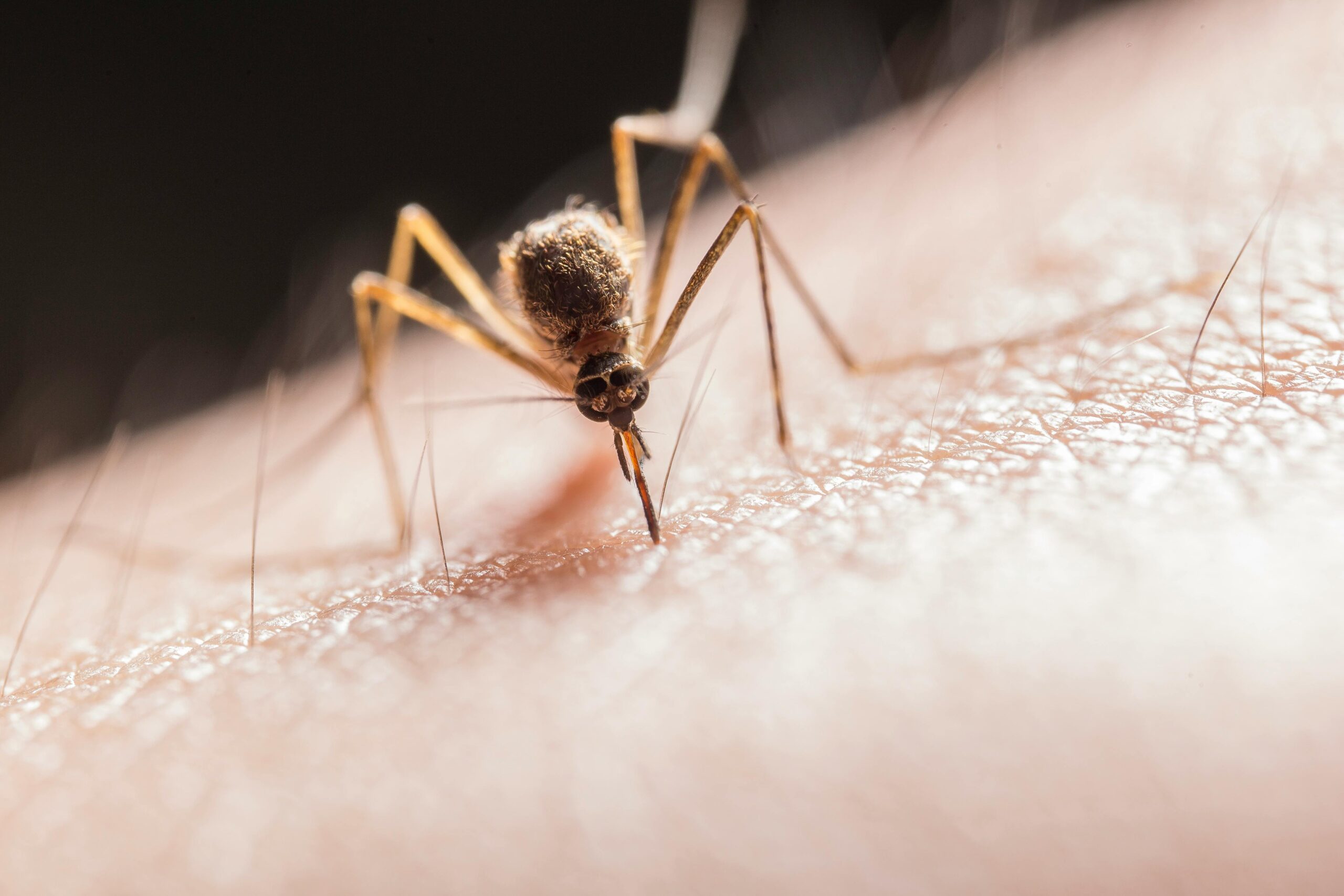
Malaria is still one of the most common causes of fever in Sub-Saharan Africa. Public health agencies such as the World Health Organization and the Africa CDC report that the majority of global malaria cases and deaths occur in African countries.
This means that adults live with a high background risk, especially during rainy seasons and in areas with high mosquito populations. Because malaria is so common, many adults think they “know” what it looks like.
They wait for strong shaking, very high fever, or severe weakness. But early malaria often starts quietly, with mild and confusing signs that are easy to blame on work stress, heat, or poor sleep.
This guide focuses on early malaria symptoms that Africans commonly miss, and how to recognize them safely before they become severe.
For a broader understanding of fever levels, danger signs, and when adults should seek urgent in-person care, you can also refer to the main guide on fever in adults and infections.
Why Early Malaria Symptoms Are Easy to Ignore
Many adults carry these beliefs. These ideas can delay testing and treatment.
- Malaria always means a very high fever.
- If I am not shaking, it cannot be malaria.
- “I had malaria recently, so this is probably only flu or stress.”
- “I am too busy to go for a test. Let me watch it for a few more days.”
In busy African cities, long queues and crowded clinics make it even more tempting to ignore early symptoms. But catching malaria early is safer and usually easier to treat.
Early Malaria Symptoms Africans Commonly Miss

1. Light Fever or a “Warm Body” in the Evening
Early malaria does not always start with a high temperature. Many people say, “I feel hot at night but fine during the day.” Instead, you may:
- Feel slightly warm in the late afternoon or night.
- Have a temperature of around 37.5 to 38 degrees Celsius.
- Feel normal again in the morning.
That pattern alone, especially in a malaria-endemic area, should prompt you to consider testing.
2. Unusual Tiredness That Feels “Out of Character.”
You may suddenly feel more tired than usual, even on a normal day. This tiredness can be one of the first signs that malaria is starting, even before a strong fever appears. Signs include:
- Needing to rest much earlier than normal.
- Struggling with simple tasks, such as climbing stairs.
- Feeling heavy and drained in the evening.
3. Dull Headache, Often Behind the Eyes
Many adults blame headaches on screens, the sun, or traffic. If this headache comes with mild fever, chills, or body pain, malaria becomes more likely. But early malaria often brings:
- A dull, steady headache.
- Pain behind the eyes.
- Headache that gets worse as the day goes on.
4. Chills Without Strong Shivering
Classic malaria attacks include strong shivering. Early episodes may be softer:
- Feeling suddenly cold.
- Getting goosebumps.
- Wanting a blanket even in a warm room.
These mild chills often come just before the fever begins to rise.
5. Body Aches That Feel Like “Post-Workout Pain.”
You may feel as if you exercised hard, even if you did not. If you cannot link this pain to real physical effort, and it repeats in the evenings, malaria may be the background cause. You might notice:
- Aching legs.
- Lower back pain.
- General body heaviness.
6. Mild Nausea or Reduced Appetite
Early malaria can affect the stomach. Because this can look like “something I ate,” many people ignore it. When combined with fever, chills, or headache, it deserves a closer look. You may notice:
- Reduced appetite.
- Light nausea.
- One or two episodes of vomiting.
7. Irritability or Unusual Mood Changes
Malaria affects sleep, energy, and comfort. Mood change alone does not prove malaria. But if it appears together with mild fever, chills, or body pains, it forms part of the early picture. This can show as:
- Feeling more easily annoyed than usual.
- Feeling restless at night.
- Having low patience with family or colleagues.
8. Night Sweats With Normal Daytime Temperature
Many malaria infections follow a cycle:
- Chills.
- Fever.
- Sweating.
- Temporary relief.
In adults, this often appears as:
- Waking up at night, soaked in sweat.
- Feeling hot at night but “almost normal” by midday.
Night sweats can also come from other illnesses like tuberculosis. In malaria areas, they should never be ignored.
9. A Strong Feeling That “Something Is Not Right.”
Your instincts matter. When this feeling comes with even a mild fever or headache in a malaria zone, it is safer to get checked. Many adults describe early malaria as:
- “My body feels off.”
- “I feel like something is brewing.”
- “I am not myself, but I cannot explain why.”
Why These Early Symptoms Matter
Malaria parasites multiply in the blood. As they increase, the risk of severe disease rises. Severe malaria can affect the brain, lungs, kidneys, and other organs. Catching malaria while symptoms are mild has benefits:
- Lower risk of severe complications.
- Shorter recovery time.
- Less time away from work and family.
- Less need for hospital care.
Waiting for “classic malaria” to appear can be dangerous.
What Doctors Look For in the First 72 Hours
When you talk to your doctor about possible malaria, they look for patterns, not only single symptoms. This history, plus a malaria test, helps your doctor decide what is really happening. They may ask about:
- Fever pattern: Does it come mainly at night? Does it spike every 24 or 48 hours?
- Chills and sweats: Are there repeated cycles? Do chills come before the fever and sweat phase?
- Travel and exposure: Have you slept without a mosquito net? Have you travelled to a high-malaria region recently?
- Past malaria history: Have you had recent malaria treatment? Do you live or work in an area with frequent cases?
- Other symptoms: Headache, body pain, nausea, vomiting.
Danger Signs in Malaria You Must Never Ignore
You should seek urgent in-person medical care if you have a fever or suspected malaria with any of these signs. These may signal severe malaria or another serious condition that needs hospital-level care.
- Confusion or strange behaviour.
- Trouble breathing.
- Very low urine output.
- Yellow eyes or yellow skin.
- Severe weakness.
- Seizures.
📌 Common Mistakes That Lead to Missed Early Diagnosis
Many malaria cases become severe not because symptoms were absent, but because early warning signs were misunderstood or ignored. Below are the most common mistakes that delay diagnosis—and why they are risky.
🦟 Attributing Symptoms to Seasonal Flu or Fatigue
In many African regions, fever, headache, and body pain are common during rainy seasons or busy work periods. While these explanations seem reasonable, malaria often starts the same way. People often assume:
- “It’s just the weather.”
- “I’m tired from work.”
- “It feels like flu.”
According to the World Health Organization, early malaria frequently mimics common viral illnesses. Assuming it is the flu without testing can delay proper care and allow the infection to progress.
🦟 Self-Treating With Painkillers Instead of Testing
Taking paracetamol or other pain relievers may reduce fever or headache temporarily. This can give a false sense of improvement. Painkillers do not treat malaria. They only hide symptoms. Common problems with this approach:
- fever goes down, but the parasite remains
- symptoms return stronger after a short time
- testing is delayed until the illness becomes severe
Health experts warn that masking symptoms without testing is one of the biggest reasons malaria is caught late.
🦟 Ignoring Symptoms Because They Feel “Mild”
Many adults believe malaria must be very serious from the start. This is not true. Because symptoms are not dramatic, people continue their daily activities and postpone testing. Unfortunately, malaria can worsen quickly, even after several days of mild illness. In malaria-endemic areas:
- adults may have partial immunity
- symptoms can be mild at first
- fever may be low or come and go
🦟 Waiting Too Long to Seek Medical Care
Some people wait for a very high fever, strong chills, and severe weakness. By the time these appear, malaria may already be in advance stage. Delayed care increases the risk of:
- severe anemia
- organ complications
- hospital admission
The World Health Organization warns that Plasmodium falciparum—the most common malaria strain in Africa—can progress rapidly and become life-threatening if not treated early.
⚠️ Why These Mistakes Are Dangerous
Even mild malaria is not harmless. Early testing enables doctors to confirm malaria and guide safe treatment before serious problems occur. Without early diagnosis:
- parasites multiply in the blood
- complications develop quietly
- recovery becomes harder and slower
Safe Home Monitoring While You Seek Care
While arranging to see your doctor, you can take safe steps at home. These steps do not treat malaria but support your body and give your doctor useful information.
- Measure your temperature with a thermometer instead of guessing.
- Write down your readings and main symptoms three times a day.
- Drink clean water or oral rehydration solution.
- Rest and reduce heavy work.
- Avoid self-starting malaria medicines or mixing many drugs.
Why Ongoing Contact With Your Own Doctor Matters
Malaria can change quickly. Having a doctor who knows you and your health history can make it easier to respond safely. During a suspected malaria episode, your doctor can:
- Review your fever and symptom diary over several days.
- Help you decide when you must go for a malaria test.
- Guide you on safe home monitoring while you wait for review.
- Plan follow-up so your recovery is tracked, not guessed.
Some doctors also use secure digital tools to stay in touch with their own patients between visits for non-emergency questions. These tools do not replace in-person examinations or hospital care when needed, but they can support continuity of care.
Always remember, for any danger signs, you should seek urgent or emergency in-person care.
🩺 Frequently Asked Questions About Early Malaria Symptoms
Q1: Can malaria start without a high fever?
Yes. Malaria does not always start with a very high fever. In many people, especially adults living in malaria-endemic areas, early malaria may begin with:
- low or mild fever
- feeling unusually tired
- dull headache
- feeling “off” or unwell without knowing why
Because the fever is mild, many people ignore it or take painkillers and continue their daily activities. This delay can allow malaria to become more serious. If you live in a malaria area and feel unwell for more than a day, it is safer to test early rather than wait.
Q2: Does every malaria case cause strong chills and shaking?
No. Not everyone gets strong chills or shaking. Some people, especially adults with partial immunity, may:
- feel cold without shaking
- have mild chills
- just feel uncomfortable or weak
Children and adults with no immunity are more likely to have dramatic chills, but adults often have quiet symptoms. This is one reason malaria is commonly missed in adults.
Q3: Can malaria symptoms be mistaken for something else?
Yes. Very often. Symptoms such as headache, body pains, tiredness, nausea, and mild fever overlap with many illnesses. Early malaria symptoms can look like:
- flu
- typhoid fever
- viral infections
- stress or exhaustion
This is why health authorities, such as the CDC, emphasize that testing is more reliable than guessing. Treating symptoms without testing can delay proper care.

Q4: How soon should I test for malaria if I suspect it?
In malaria-endemic areas, testing should happen as soon as possible. Early testing allows doctors to confirm malaria and guide safe treatment before complications develop. You should test if you have:
- new fever
- fever that comes in the evening or at night
- repeated fever over several days
- fever plus headache, chills, or body pain
Q5: How soon do malaria symptoms appear after a mosquito bite?
Most malaria symptoms appear 10–15 days after being bitten by an infected mosquito. According to the World Health Organization, this delay makes it easy to forget the mosquito bite and miss the connection. However,
- some infections take longer
- symptoms may be very mild at first
- people with partial immunity may notice symptoms late
That is why any unexplained fever in a malaria area should raise concern.
Q6: Can someone have malaria and not feel very sick?
Yes. This happens often in Africa. Adults who have grown up in malaria-endemic regions may develop partial immunity. According to the Africa CDC, this partial immunity does not mean malaria is harmless. This means:
- symptoms are milder
- fever may be low
- daily activities continue
The infection can still worsen suddenly or cause complications if untreated.
Q7: Is malaria testing available at local clinics?
Yes. Many community clinics and hospitals in malaria-endemic areas offer testing. These tests are quick and help doctors confirm malaria before treatment. Early testing is safer than waiting or self-medicating. Common tests include:
- Rapid diagnostic tests (RDTs)
- Blood smear microscopy
If symptoms persist or return, repeat testing may be needed under medical guidance.
Take Action—Malaria Often Whispers Before It Shouts

Early malaria does not always shout. Often, it whispers through mild fever, subtle tiredness, headache, chills, fatigue, digestive discomfort, or a warm body at night.
Listening to these signals and working closely with your doctor can help prevent serious complications.
If you live in a malaria area, don’t wait for dramatic symptoms to start care—test early and talk with your doctor about your personal malaria risk and how you should respond the next time you notice early warning signs.
Having a plan with a doctor who already knows you can make each fever episode safer. Your quick action matters. Early detection and proper diagnosis not only protect your health —they can save lives. Stay vigilant. Stay tested. Stay safe.