
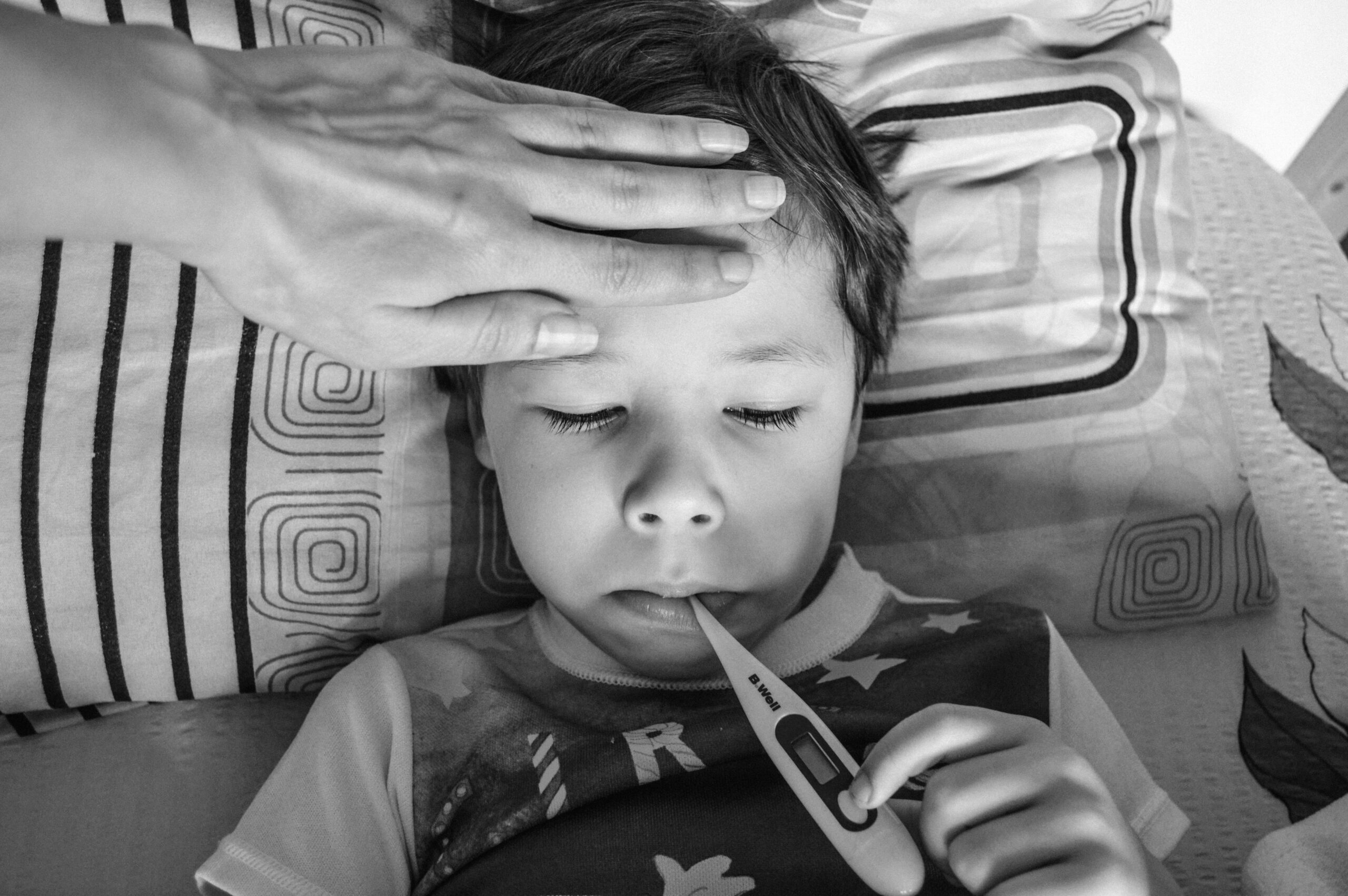
When a child starts coughing, most parents ask one simple question: “Is this cough dry or wet?” In African homes, where dust, humidity, smoke, and seasonal illnesses all affect breathing, dry vs wet cough matters.
Dry and wet coughs often come from different causes, behave differently, and need different kinds of attention—not panic, not guessing, just careful monitoring.
This guide helps parents understand the difference between dry and wet coughs, what each one may signal, and when it’s time to check in with a personal doctor who knows the child well.
For the full picture on repeated breathing problems, see our main guide on Recurring Cough, Cold and Respiratory Issues in African Children: Safe Monitoring and Act Early
Understanding Cough Type Matters

A cough is not a disease. It is a signal. Dry and wet coughs:
- sound different
- feel different to the child
- behave differently at night or during play
- point to different triggers
Parents don’t need to diagnose. They just need to observe. Knowing the type helps parents:
- describe symptoms clearly to their doctor
- notice changes early
- avoid unnecessary worry
- track patterns over time
What Is a Dry Cough?
A dry cough does not bring up mucus. It often sounds sharp, hacking, or tickly. Children may say, “My throat is itchy,” or keep clearing their throat. Common signs are:
- no phlegm or mucus
- scratchy throat
- cough triggered by talking, laughing, or cold air
- worse at night
- sounds harsher than it looks
Common Causes of Dry Cough in African Children
Dry coughs are very common in African settings, especially during dry or dusty seasons. In many cases, the child feels fine otherwise and continues playing normally. Possible triggers include:
- Harmattan dust
- dry air
- throat irritation after a cold
- smoke from cooking
- allergies (dust, pollen, mold)
- temperature changes
What Is a Wet Cough?

A wet cough sounds deeper and may come with mucus or phlegm. Younger children may swallow mucus instead of spitting it out, so parents may hear the sound even if nothing comes out. Common signs are:
- gurgling or rattling sound
- mucus in the throat or chest
- coughing harder in the morning
- cough sounds “heavy”
- linked with a runny nose
Common Causes of Wet Cough in African Children
Wet coughs often appear during or after infections. These improve as the infection clears, but monitoring is important. Common causes include:
- colds or flu-like illnesses
- chest infections
- post-nasal drip from a runny nose
- damp or moldy environments
- repeated infections close together
🤲 Dry vs Wet Coughs: Key Differences
Here is a simple comparison parents can use. A cough can also change type as a child recovers. This shift is important to notice.
Dry Cough
- no mucus
- tickly or scratchy
- worse at night
- triggered by dust or dry air
Wet Cough
- mucus present
- deep or rattly sound
- worse in the morning
- linked to infections or congestion
Seasons in Africa Affect Cough Type
Dry Seasons and Harmattan
During dry months, children may cough even when they are not sick.
- dry coughs are more common
- dust irritates the throat and airways
- night coughing increases
- lips, skin, and nose may feel dry
Rainy Seasons
During wet months, homes that stay damp can worsen wet coughs, especially at night.
- wet coughs increase
- infections spread more easily
- humidity encourages mucus buildup
- mold exposure may rise
Parents Should Monitor at Home

Parents don’t need equipment. They just need to watch and listen.
🔉 Sound and Timing
- Does the cough sound dry or wet?
- Is it worse at night or morning?
- Does it wake the child from sleep?
🕦 Duration
- How many days has the cough lasted?
- Is it improving, staying the same, or worsening?
Coughs lasting longer than expected deserve attention.
🧘♀️ Energy and Appetite
- Is the child still playing?
- Are they eating normally?
- Do they get tired easily?
A child who coughs but plays happily is often less concerning than one who withdraws.
⛹️♀️ Triggers
These details help doctors greatly. Note if coughing worsens:
- around dust
- during cooking
- after running
- in cold air
- at bedtime
When Dry or Wet Coughs Are Usually Mild
Many coughs settle on their own. In these cases, calm monitoring is often enough. Mild signs include:
- child remains active
- appetite stays normal
- sleep is mostly undisturbed
- cough slowly improves
Parents Should Contact Their Personal Doctor
A doctor who knows the child’s history can judge these patterns. Reach out when:
- dry cough persists for weeks
- wet cough does not clear
- cough type suddenly changes
- breathing becomes fast or noisy
- child avoids play
- weight or appetite drops
- fevers return repeatedly
Continuity of Care Is Important for Cough Patterns
Coughs tell a story over time, not in one day. This long overview protects children. Continuity allows doctors to:
- compare past coughs
- understand seasonal triggers
- review growth alongside symptoms
- avoid unnecessary treatments
- catch problems early
Parents Should Avoid
- repeated self-medication
- leftover prescriptions
- ignoring long-lasting coughs
- assuming “it’s always the same”
Even familiar coughs can change meaning over time.
Simple Supportive Habits for Both Cough Types
These habits support breathing health but do not replace medical care. Small steps make a big difference.
- keep the air as clean as possible
- reduce smoke exposure
- encourage fluids
- support good sleep
- change clothes after dusty play
ChextrMD Supports Families
ChextrMD supports families who already have a trusted doctor and want stronger continuity of care, especially when symptoms like coughs return over time. It does not replace clinic visits or emergency care.
Instead, it helps maintain ongoing guidance, monitoring, and follow-up between families and their own physicians.
For parents managing recurring issues, ChextrMD strengthens the doctor–family connection so decisions are based on a child’s history, environment, and patterns—not random online advice.
This steady relationship helps reduce uncertainty and supports safer, more confident care for growing children.
Gentle Next Step for Parents
If your child’s cough keeps returning, or symptoms feel unclear, consider staying connected with a doctor who already knows your child’s medical history. Consistent follow-up and monitoring over time often lead to safer decisions and less stress for families.
For parents who value ongoing guidance and continuity, ChextrMD supports this long-term doctor–family relationship by helping maintain steady communication and oversight between visits—always centered on your child’s own physician.
FAQs: Dry vs Wet Cough in African Kids
Can a dry cough turn into a wet cough?
Yes. This is very common. A dry cough may appear at the start of a cold, when the throat is irritated, but mucus has not yet formed. As the body responds, mucus can build up, and the cough may sound wetter. This change alone is not a problem.
What matters is whether the child is improving overall or becoming more uncomfortable.
Is one type more serious than the other?
Not always. A dry cough can be annoying but harmless, especially during dusty or dry seasons. A wet cough may mean the body is clearing mucus after an infection.
Severity depends more on how long the cough lasts, whether breathing changes, and how the child behaves—eating, playing, and sleeping. A familiar doctor can judge this best over time.
Should I worry if I can’t tell the difference between a dry and a wet cough?
No. Many parents find it hard to tell, especially with young children. You do not need to label the cough correctly. Simply describe what you notice—the sound, the timing, and when it gets worse. Doctors rely on patterns, not perfect descriptions.
Why does my child’s cough sound worse at night?
At night, mucus can settle in the throat, and dry air can irritate the airways. Children also cough more when lying flat. Night coughing does not always mean a serious problem, but if it repeatedly disturbs sleep, it is worth discussing with your doctor.
Does harmattan or dry weather affect cough type?
Yes. Harmattan and other dry seasons often trigger dry coughs because dust and low humidity irritate the throat and lungs. Some children may cough even when they are otherwise well.
Tracking cough patterns during dry months helps doctors better understand triggers.
Can wet coughs last longer in rainy seasons?
They can. During rainy seasons, infections spread more easily, and damp environments may increase mucus production. A wet cough that slowly improves is often part of recovery.
One that lingers without improvement should be monitored closely with a doctor.
Is it normal for a cough to return after it seems to clear?
Yes, especially in young children who are exposed to school environments, siblings, or changing weather. What matters is whether each episode fully clears and how often it returns.
Repeated patterns are easier to understand when a doctor knows the child’s history.
Should I give cough medicine based on the type of cough?
Avoid self-medicating without guidance. Many cough medicines are not needed and may not help. It is safer to focus on comfort and speak with your child’s personal doctor, who can advise based on the child’s age, history, and symptoms.
What information should I share with my doctor about the cough?
Even simple observations help guide safer care. Try to note:
- how long has the cough lasted
- whether the cough sounds dry or wet
- when it is worst (night, morning, playtime)
- triggers like dust or smoke
- changes in appetite, sleep, or energy
👐 Coughs are common, and most are not dangerous. Parents do not need to diagnose—they just need to observe calmly and stay connected to a trusted doctor. Over time, that continuity brings clarity and peace of mind.
Observation Brings Clarity
Dry and wet coughs are common in African children. Most are harmless. Some need closer watching. Parents don’t need to label or treat—they just need to observe patterns, reduce triggers, and stay connected with a trusted doctor.
That steady relationship helps children breathe easier today and grow stronger tomorrow. 🤹🌞