
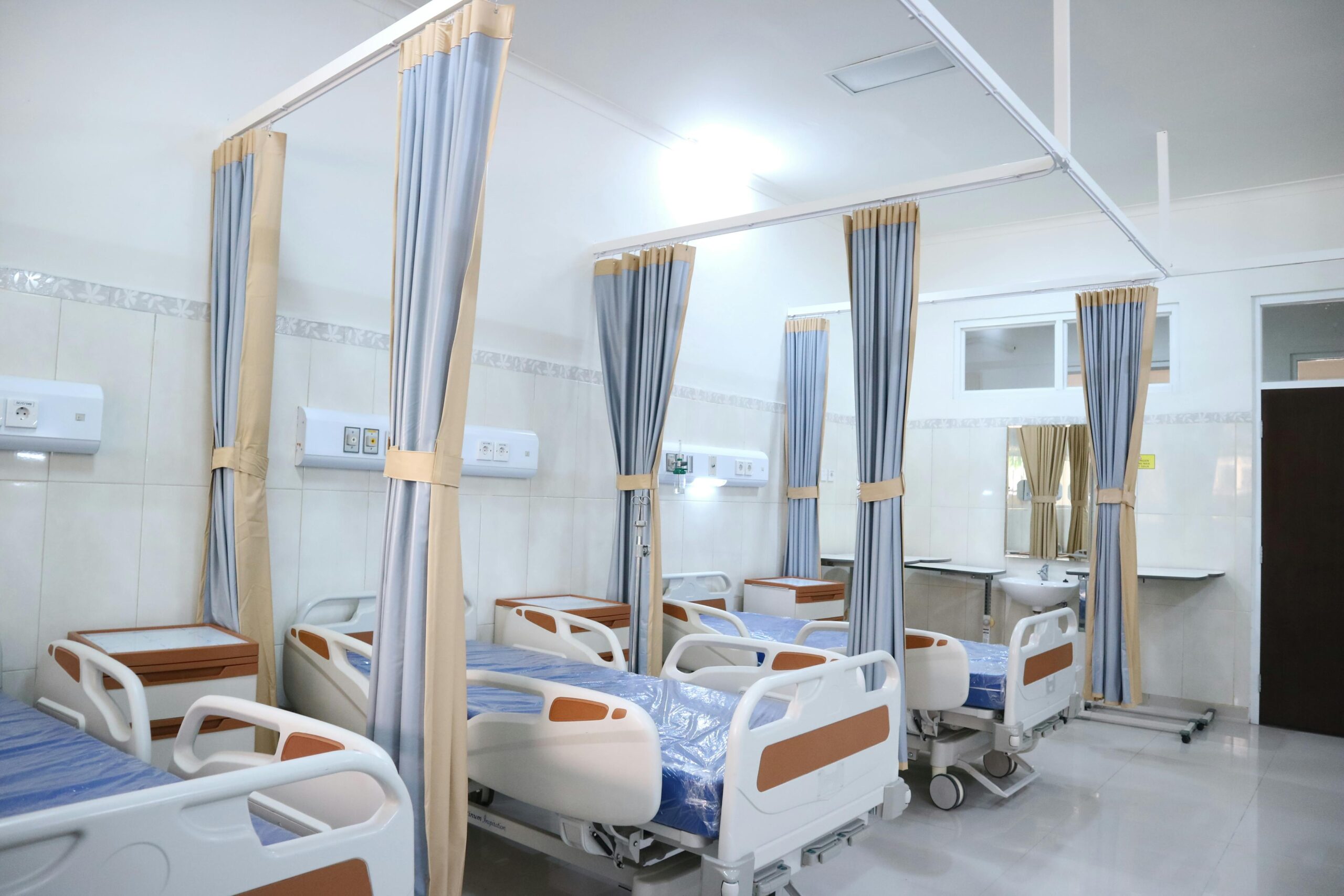
Africa is changing fast—new roads, new cities, new ideas. And right in the center of this wave sits something significant for families, parents, and busy professionals: a quiet boom in world-class private hospitals.
Across many African countries, we are seeing clinics and hospitals that look, feel, and operate like the best centers anywhere in the world. These hospitals offer better tools, safer systems, modern laboratories, and a warm touch that many people have long hoped.
This post will explore why this growth is happening, how it is changing everyday healthcare, and what it means for ordinary people who want safe, trustworthy, long-term care with doctors who know them well.
New Health Landscape in Africa: A Big Shift With Big Hope
Africa’s healthcare story used to be linked mostly to public systems. Many people have been dependent on government hospitals that tried hard but often had limited equipment, long lines, and too few staff serving many patients.
Today, the picture is changing in many cities such as Lagos, Nairobi, Accra, Kigali, Cairo, Cape Town, and more. Private hospitals are stepping in with something different:
- faster service
- advanced labs
- specialists across many fields
- safer record systems
- better patient communication
- and long-term continuity-of-care
Some hospitals are even partnering with global health groups, universities, or research centers. Reports by organizations such as the International Finance Corporation (IFC) and the Africa Health Federation highlight an increase in high-quality private hospital investments in East, West, and Southern Africa.
These expansions are not random. They come from seven strong forces. Let’s break them down.
1. The Rise of Africa’s Growing Middle Class
A strong middle class brings a strong health system. It’s that simple. Across Africa, more families can now afford better care. Parents want safe delivery rooms. Busy professionals want easy access to specialists. High-income earners want privacy and fast results.
African families want hospitals that respect their time, dignity, and culture. Private hospitals saw this new need. And they stepped in. With more demand came more investment. With investment came modern buildings, trained staff, and systems that are on par with international centers.
Lifestyle Diseases Are Changing What People Want
As lifestyles change, new health problems appear:
- hypertension
- diabetes
- heart concerns
- stress-related issues
- women’s wellness needs
People want hospitals that can monitor them regularly, not just when they fall sick. They want doctors who offer continuity, not one-time visits. This demand alone pushed many investors to build top-tier hospitals with better laboratory facilities, imaging units, and specialists who can follow patients over time.
2. Africa’s Bold Investments in Modern Medical Technology
One of the main reasons for the rise of world-class hospitals in Africa is technology. It is not a luxury anymore. It is a requirement for safety.
Smart Machines, Precise Results
Modern private hospitals now have the tools to help doctors deliver better guidance. These reduce mistakes. These save time. And these build trust. These tools are:
- digital X-rays
- advanced ultrasound
- automated lab machines
- cardiac monitors
- electronic medication systems
- safe storage for blood and samples
Better Tech Means Better Continuity
When hospitals use electronic systems, your doctor can follow your health story over time. They can see patterns early, track changes, and respond quickly. This is the kind of long-term, premium care many families prefer.
Local Innovation Is Also Growing
African engineers, entrepreneurs, and researchers are designing digital tools tailored to local needs. For example, several African health-tech groups build safe and reliable digital systems for record-keeping and communication.
These home-grown solutions help private hospitals stay modern without dependence on expensive foreign systems.
3. New Training Pathways for African Medical Professionals
A powerful healthcare system needs people, not just buildings. Across the continent, thousands of doctors, nurses, pharmacists, and lab scientists now train in specialized programs. Some get training in Africa. Some train abroad and return home because private hospitals give them the right environment to practice safely.
Global Partnerships Make Skills Stronger
Partnerships allow staff to learn new procedures, safety practices, and care standards. Many African private hospitals now partner with:
- top universities
- global hospitals
- nursing schools
- medical technology companies
African Specialists Are Staying Home More Often
Years ago, many specialists left Africa because they weren’t effective with advanced tools. Today, the story is changing. With world-class private centers rising, African specialists can work at home, serve their own communities, and build strong relationships with patients who trust them.
4. Medical Tourism Inside Africa Is Expanding Fast
For years, many Africans traveled abroad for major care. India, the UK, the UAE, and South Africa were common destinations. But things are shifting. Many African private hospitals now provide strong diagnostic services, surgical centers, maternity wards, dialysis units, and critical care units.
Due to this, people are traveling within Africa instead. This keeps families close and lowers costs.
Regional Centers of Excellence Are Emerging
Governments and private investors continue building regional hubs. Reports by groups like the African Union’s health initiatives show growing support for centers that serve multiple neighboring countries. Some African hospitals are now known for certain services:
- heart care
- kidney care
- fertility clinics
- eye surgery
- orthopedic surgery
5. Stronger Standards, Safer Care
Quality matters, especially when lives are involved. Many private hospitals in Africa now practice global safety guidelines from trusted organizations such as national medical councils, ministries of health, accreditation bodies, and international quality groups.
Safety Systems Build Trust
Modern private hospitals invest heavily in these systems. And patients feel the difference quickly. People want hospitals where:
- medications are checked carefully
- infections are controlled
- emergencies get a fast response
- records are safe
- communication is clear
6. The Growth of Health Insurance Across Africa
Health insurance is rare in much of Africa. Today, health insurance is growing, little by little, and it is changing everything.
Insurance Makes Private Care More Accessible
With insurance, families can now choose private hospitals without fear of medical costs. Employers also offer insurance to staff, which creates a strong and stable base of patients for private centers.
Insurers Push Hospitals to Improve
Insurance companies want safe, efficient hospitals. This pressure leads to better systems and better patient experiences. So insurance providers push for:
- evidence-based care
- good medical documentation
- safe billing
- doctor accountability
7. People Want More Personalized, Long-Term Care

This may be the biggest force of all. Many Africans are tired of rushing through crowded hospitals where nobody remembers them. They want care that feels calm, safe, and personal.
Patients Want Doctors Who Know Them
People want doctors who understand their health history, know their lifestyle, track their progress, follow up after visits, deliver clear explanations, and offer continuity over months and years.
Busy Professionals Want Faster, Smoother Care
Private hospitals deliver this experience because they are designed for efficiency. High-income earners and time-pressed professionals want:
- shorter waiting times
- clean spaces
- respectful communication
- quick lab results
- privacy
- access to specialists
Families Want Hospitals That Feel Safe
Women want clean delivery rooms. Older adults want calm wards. Everyone wants honesty and clarity. Private hospitals invest in these areas because they understand that trust keeps families coming back.
World-Class Private Hospitals Are Changing Everyday Healthcare
Now let’s look at how these hospitals make life easier for patients.
Better Diagnostics Mean Earlier Action
When a hospital has modern equipment and trained staff, problems are spotted earlier. For many chronic conditions—like hypertension and diabetes—early action makes a huge difference. These hospitals help patients stay ahead of their problems rather than reacting late.
Faster Care Reduces Stress
Nobody likes sitting for hours in a waiting room. Modern private hospitals can reduce queuing by an efficient booking system, a good patient flow, systematic triage, and safe record management. This saves time and cuts stress.
Modern Maternity Care for Safer Deliveries
Many private hospitals invest heavily in maternity care. For many African families, this can be a life-changing experience. Clean spaces. Experienced midwives. Emergency support if needed. Family-friendly rooms. When maternity is strong, trust grows.
Specialist Access Without Traveling Abroad
Private hospitals now bring specialists in cardiology, pediatrics, surgery, internal medicine, obstetrics, oncology (in some centers), and mental health services. These specialists can follow a patient over time, not just during one visit.
Emotional Support Matters Too
Healthcare is not only about machines and tests. It is also about comfort. People feel calmer when the hospital feels human. It’s that simple. Many private hospitals now focus on warm communication, patient education, family-friendly spaces, and mental health support.
Challenges Still Exist—But Growth Is Strong
Notwithstanding progress, Africa still faces challenges. But the direction is clear. Every year, more hospitals invest in solutions. Governments, private groups, and global partners establish alliances for training, build facilities, support research, and build safer systems. These challenges are:
- insufficient specialists in some regions
- high costs for some families
- unequal access between cities and rural areas
- pressure on health insurance systems
- talent shortages
Continuity of Care Matters in This New Era
Modern private hospitals are changing what healthcare feels like. They are no longer just places people visit when something goes wrong. They are becoming long-term care homes, where patients build steady, trusted relationships with doctors over many years. This shift is important. Very important.
Healthcare Is a Journey, Not a Single Visit
Most health issues do not appear suddenly. They grow slowly. Blood pressure rises over time. Blood sugar changes quietly. Stress builds. Sleep patterns shift. Weight changes. Small symptoms come and go. When a patient sees a different doctor at every visit, these patterns are easy to miss.
Continuity of care solves this problem. This kind of care is calmer, safer, and more thoughtful. It allows one doctor, or a small care team, to:
- understand a patient’s full history
- notice small changes early
- connect symptoms that seem unrelated
- guide decisions over time
What Continuity of Care Really Means in Practice
Continuity of care is not complicated. It is about staying connected. It includes:
- regular check-ins, not only emergency visits
- guidance that fits a person’s lifestyle and work schedule
- reviewing trends in test results over time
- adjusting care plans slowly and safely
- following up after hospital visits or procedures
- supporting families during pregnancy, aging, or chronic conditions
This approach reduces panic. Patients do not feel lost or rushed. They know who to call. They know their doctor knows them.
Why This Matters So Much in African Settings
Africa’s health environment is unique. Weather patterns affect infections. Diet changes between seasons. Work stress can rise suddenly. Travel is common. Access to care may change depending on location. Conditions such as:
- diabetes
- hypertension
- asthma
- heart disease
- recurring infections
can shift quickly under these conditions. A doctor who knows a patient well can spot warning signs early. They can adjust guidance based on: seasonal changes, cultural habits, food availability, stress levels, and family history. This local understanding improves safety.
Long-Term Doctor Relationships Reduce Risk
When a doctor follows a patient over many years:
- medication histories are clearer
- allergies are remembered
- past reactions are known
- unnecessary tests are avoided
- care decisions are made more confidently
Mistakes are less likely. Care feels steady, not scattered. This is especially important for older adults, pregnant women, children, and people managing long-term conditions.
Emotional Security Is Part of Good Care
Continuity of care is not only medical. It is emotional. Patients feel safer when:
- they do not have to repeat their story each time
- their concerns are taken seriously
- their doctor understands their fears
- communication feels familiar and respectful
This emotional comfort matters. It lowers stress. It builds trust. And trust improves health outcomes over time.
Private Hospitals Are Well Positioned to Support Continuity
Many modern private hospitals are designed for long-term care. Their systems support ongoing relationships between patients and doctors. They make continuity possible, even as care becomes more complex. They offer:
- organized patient records
- scheduled follow-ups
- coordinated specialist care
- stable care teams
- clear communication channels
Peace of Mind Is the Real Benefit
At the end of the day, continuity of care offers something priceless: peace of mind. Knowing that a doctor understands your health story brings confidence. Knowing someone is watching trends reduces fear. Knowing guidance is consistent builds trust.
In this new era of African healthcare, continuity of care is not a luxury. It is becoming the standard that world-class private hospitals aim to deliver.
FAQs About World-Class Private Hospitals in Africa
Why are private hospitals expanding so fast in Africa?
Private hospitals are growing quickly because needs and expectations have changed. More African families now earn steady incomes. Parents want safer maternity care. Professionals want fast access to doctors without long waiting times. Older adults want regular monitoring, not rushed visits.
These needs created a strong demand for better-organized hospitals. Investors noticed this gap. They saw that well-run private hospitals could:
- reduce overcrowding in public facilities
- offer modern equipment
- attract skilled doctors
- operate sustainably
Governments also play a role. Many African governments now encourage private healthcare investment to support national health goals. This partnership helps expand healthcare capacity without overloading public hospitals.
In short, demand, investment, and policy support all came together at the same time. That is why growth feels fast.
Are African private hospitals safe?
Safety depends on the hospital, not just whether it is private or public. Many private hospitals are governed by the National Medical Council and the Ministry of Health, international safety protocols, and stricter infection-control systems.

These hospitals invest heavily in: clean environments, proper medication storage, staff training, clear patient records, and emergency preparedness. However, not all private hospitals are the same. Families should feel comfortable asking questions such as:
- Is the hospital licensed?
- Do doctors belong to recognized medical councils?
- How are infections prevented?
- How are emergencies handled?
A good hospital will welcome these questions. Transparency is usually a sign of safety.
Are private hospitals replacing public hospitals?
No. Private hospitals are not replacing public hospitals. They serve different but complementary roles. Private hospitals focus more on: individual patients, faster access, personalized care, privacy, and long-term monitoring. Public hospitals are essential for:
- large populations
- emergency services
- training healthcare workers
- national disease programs
- maternal and child health at scale
Think of it like roads. Highways and small streets both matter. One does not replace the other. When private hospitals work well, they reduce pressure on public hospitals. This helps the entire healthcare system function better.
Do private hospitals have specialists?
Yes, many private hospitals across Africa now employ specialists in fields of internal medicine, pediatrics, obstetrics and gynecology, cardiology, surgery, orthopedics, and nephrology. Africa also trains more specialists locally than before. Medical schools and teaching hospitals have expanded.
This environment enables specialists to practice properly, not just react to emergencies. For patients, this means better continuity—seeing the same specialist over time rather than starting over with each visit. Some doctors train abroad and return home because private hospitals provide:
- better equipment
- organized systems
- safer working conditions
- opportunities for long-term patient follow-up
How do I choose a good private hospital?
Choosing a private hospital should be done carefully. Price alone should not be the only factor. A strong hospital is not just about buildings. It is about systems, people, and trust. Here are key things to look for:
- Accreditation and licensing: The hospital should be registered with the national health authorities. Doctors should be licensed by recognized medical councils.
- Clean and organized spaces: Clean wards, toilets, and waiting areas matter. Clear signage and patient flow reduce stress.
- Trained and respectful staff: Nurses and doctors should explain things clearly. Staff should listen, not rush you.
- Modern equipment: Functional labs and imaging tools improve accuracy. Reliable systems reduce repeat testing.
- Continuity of care: Ask if you can see the same doctor over time. Good hospitals support follow-ups and long-term monitoring.
Moving Forward for a Brighter, Safer Future for African Healthcare
 Africa’s rise in world-class private hospitals is not a small trend. It’s a major shift that affects families, cities, and the future of healthcare across the continent. These hospitals offer better systems, safer equipment, calm environments, and long-term partnerships between patients and their doctors.
They cannot replace public hospitals. But they fill a very significant gap. They support busy professionals, growing families, and anyone who wants guidance, oversight, and continuity from clinicians they already know and trust.
As Africa continues to grow, so will its private health sector—and many families will benefit from this new wave of excellence.