
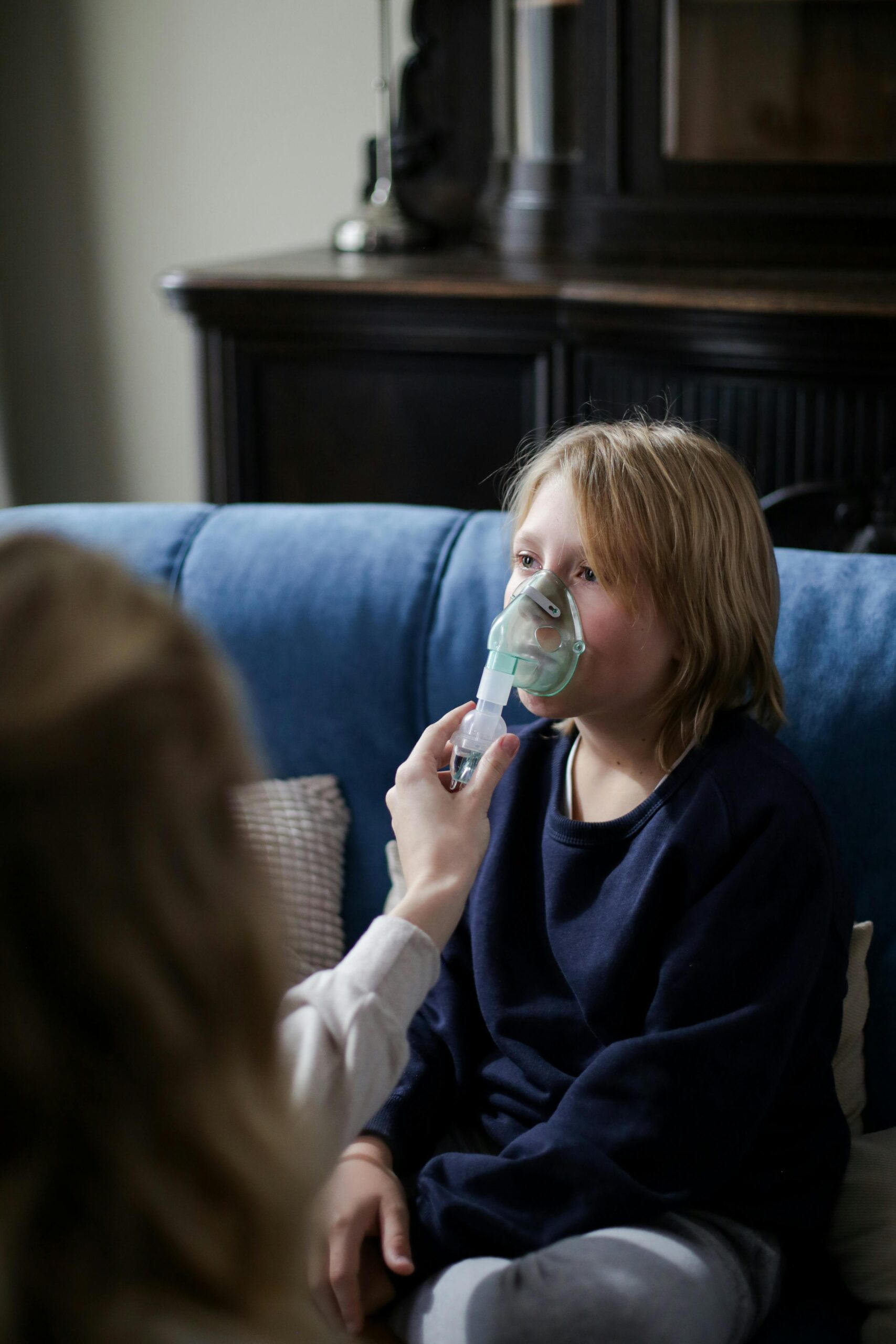
Most coughs in children are mild. They come with colds. They pass in a few days. Life moves on. But sometimes a cough begins to follow a pattern. It lasts longer. It returns often. It sounds different. Parents start to wonder:
“Could this be asthma?”
“Is this more than just a cold?”
In Africa, a child’s cough could suggest asthma or infection. Dust, smoke exposure, crowded schools, and seasonal infections are common. It can be hard to tell the difference between a simple cough and something that needs closer medical attention.
This guide explains when a cough may suggest asthma or infection, what warning signs to watch for, and why continuity of care leads to safer decisions.
For the full overview of repeated breathing patterns, see Recurring Cough, Cold, and Respiratory Issues in African Children: Safe Monitoring and Act Early
Understanding Normal vs Concerning Coughs

Children can have several coughs each year, especially under age five. This alone is not unusual. A cough becomes more concerning when it:
- lasts longer than expected
- returns in a clear pattern
- changes how the child breathes or behaves
- interferes with sleep, play, or growth
The key is not to panic. The key is pattern recognition over time.
When a Cough May Suggest Asthma
Asthma is a long-term condition that affects how air moves in and out of the lungs. It does not always look dramatic. In some children, it appears mainly as a recurring cough.
Common Asthma-Related Cough Patterns
In African cities with traffic pollution, generator fumes, and dust exposure, airway sensitivity may be more common. Parents may notice:
- cough worsens at night
- cough triggered by running or laughing
- wheezing or whistling sounds when breathing
- tightness in the chest
- breathing seems faster than normal
- symptoms improve, then return repeatedly
Clues That Strengthen Asthma Suspicion
Asthma cannot be diagnosed from one night of coughing. It requires careful evaluation over time. Doctors look for patterns such as
- family history of asthma or allergies
- cough that happens without fever
- seasonal triggers like harmattan
- repeated episodes after viral infections
- improvement with certain prescribed treatments
When a Cough May Suggest Infection
Infections are very common in children. Most are viral and settle on their own. Some, however, may require closer monitoring.
Signs of a Possible Chest Infection

Infections may appear suddenly and worsen quickly, especially in younger children. Parents should pay attention if a cough is accompanied by:
- persistent fever
- thick or colored mucus
- fast breathing
- chest pulling in with breaths
- lethargy or unusual sleepiness
- poor feeding
Bacterial vs Viral Infections
Only a qualified doctor can determine this safely. Most cough-related infections in children are viral. These improve gradually with supportive care. Bacterial infections are less common but may be suspected if:
- fever remains high for several days
- breathing becomes labored
- child appears very unwell
Asthma vs Infection: Quick Comparison for Parents
While symptoms can overlap, there are general differences. But remember: real life is not always textbook. That is why medical guidance matters.
Feature | Asthma-Related Cough | Infection-Related Cough |
| How It Starts | Often gradual or triggered by dust, exercise, or cold air | Often sudden, especially after exposure to someone sick |
| Fever | Usually no fever | Fever is common, especially early |
| Pattern Over Time | Repeats in cycles; improves, then returns | Typically improves steadily after several days |
| Night Symptoms | Often worse at night | May worsen at night, but is linked to overall illness |
| Breathing Sounds | Wheezing or whistling may occur | Crackles or chest congestion may occur |
| Triggers | Dust, harmattan, smoke, exercise, cold air | Viruses, bacteria, and seasonal outbreaks |
| Energy Levels | Often normal between episodes | Child may feel tired or weak during illness |
| Duration | May last weeks or recur monthly | Usually improves within 1–2 weeks |
| Family History | Often linked to allergies or asthma in the family | Not usually linked to family history |
| African Environmental Context | May worsen during harmattan, in dusty urban areas, near traffic pollution, generators, or cooking smoke exposure | More common during rainy seasons, school outbreaks, crowded housing, or after close contact with sick family members |
| Needs Monitoring Over Time? | Yes, patterns matter greatly | Yes, especially if fever or breathing difficulty persists |
This table helps you observe patterns—it does not replace medical evaluation. Real-life symptoms can overlap. A trusted doctor who knows your child’s environment and history can safely interpret these signs over time
African Settings Require Extra Awareness
Children in African environments may face:
- cooking smoke exposure
- dusty roads and harmattan winds
- crowded classrooms
- limited ventilation in homes
- frequent seasonal infections
These factors can make both asthma and infections harder to distinguish without careful tracking. Environmental context matters greatly in diagnosis.
When to Monitor vs When to Act
Use this simple guide to decide your next safe step.
🟢 When to Monitor at Home
It is usually safe to observe if
- cough is mild and slowly improving
- child is breathing comfortably
- no persistent high fever
- energy and appetite are normal
- child plays and interacts as usual
Common African Seasonal Examples
- dry, tickly cough during harmattan
- mild cough after a short rainy-season cold
- occasional night cough in dusty urban areas
- light throat clearing after travel between regions
What to Do: Track the pattern. Reduce dust and smoke exposure. Encourage fluids and rest. Stay connected with your child’s doctor if the cough persists longer than expected.
🟡 When to Contact Your Personal Doctor Soon
Reach out for guidance if
- cough lasts more than 2–3 weeks
- night coughing keeps returning during certain seasons
- fever comes and goes repeatedly
- breathing sounds wheezy or unusually noisy
- child tires more easily than before
- appetite or weight begins to drop
Common African Seasonal Examples
- repeated cough every harmattan season
- ongoing wet cough during prolonged rainy months
- breathing triggered by dust from unpaved roads
- cough worsening after repeated school outbreaks
What to Do: Schedule a review with your child’s doctor. Share notes about seasonal timing, triggers, and recovery patterns. Continuity of care helps determine whether this suggests asthma, infection, or environmental irritation.
🔴 When to Seek Urgent Medical Care Immediately
Do not delay if you notice
- very fast or struggling breathing
- chest pulling in with each breath
- blue or pale lips
- child unable to speak, cry, or feed
- extreme weakness or confusion
Possible Situations in African Settings
- severe breathing distress during a dust storm
- sudden worsening of chest infection during the rainy season
- rapid breathing with high fever after flu-like illness
- severe wheezing after heavy smoke exposure
What to Do: Seek immediate medical attention. These signs require urgent evaluation.
☝️A Calm Reminder for Parents
Most coughs fall in the green or yellow zone. Very few reach the red zone. The goal is not fear—it is awareness, patterns, and a steady connection with a trusted doctor who knows your child’s history.
How Doctors Evaluate Suspicious Cough Patterns

A single visit rarely tells the whole story. Long-term follow-up is often more valuable than rushed conclusions. When asthma or infection is suspected, doctors may:
- Review full symptom history
- Ask about environmental exposure
- Examine breathing patterns
- Check growth and weight trends
- Monitor response over time
- Decide if further testing is needed
Continuity of Care Makes a Big Difference
Continuity protects children from both overtreatment and delayed care. When a doctor knows your child over time, they can:
- compare past cough episodes
- recognize recurring seasonal triggers
- track growth alongside symptoms
- avoid unnecessary medications
- identify early signs of chronic conditions
ChextrMD Supports Families
ChextrMD supports families who already have a trusted physician and want stronger continuity of care when managing recurring symptoms. It does not replace clinic visits or emergency services.
Instead, it helps maintain ongoing monitoring and guidance between families and their own doctors, allowing decisions to be based on history and long-term patterns.
Gentle Next Step
If your child’s cough feels different, persistent, or patterned, staying closely connected with a doctor who knows your child’s medical history is the safest step. Early guidance often prevents complications and reduces anxiety.
FAQs: Cough Suggests Asthma or Infection
Can asthma start with just a cough?
Yes. Some children show “cough-variant” patterns where wheezing is mild or absent. Repeated night coughing without fever may raise suspicion.
Does every chest infection need antibiotics?
No. Most childhood respiratory infections are viral and improve without antibiotics. A doctor determines when medication is necessary.
Can harmattan trigger asthma symptoms?
Yes. Dry, dusty air can irritate sensitive airways and trigger coughing or wheezing in predisposed children.
If my child improves, does that mean it wasn’t serious?
Improvement is reassuring. However, repeated patterns over months deserve evaluation, even if each episode seems mild.
Trust Patterns, Not Panic
A child’s cough can sound frightening in the quiet of the night. It can linger longer than expected. It can return just when you think it is gone. That uncertainty can make any parent anxious. But most coughs in African children are not emergencies.
Coughs are signals—shaped by seasons, dust, school exposure, home environments, and growing immune systems. What protects children is not panic. It is steady attention over time.
Watch the patterns.
Notice the triggers.
Pay attention to changes in breathing, sleep, appetite, and play.
Then stay connected to a doctor who already knows your child’s story. A trusted, ongoing doctor–family relationship brings clarity where there is confusion. It reduces guesswork. It prevents overtreatment.
Breathing is life. Protecting it does not require fear—it requires awareness, partnership, and continuity.