Dry vs Wet Cough in African Kids: How Parents Tell the 4 Differences and Monitor Safely

dry vs wet cough

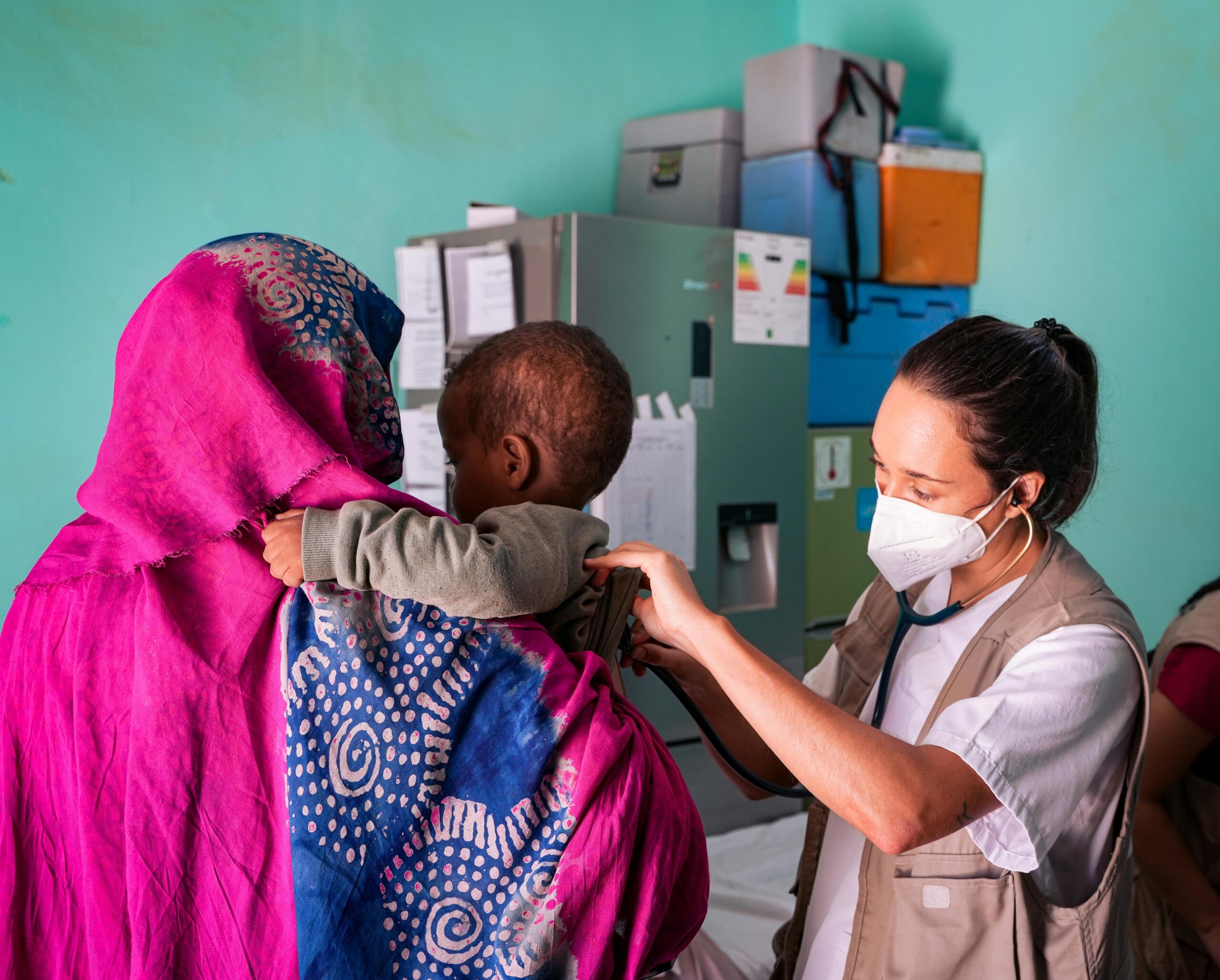
When a child starts coughing, most parents ask one simple question: “Is this cough dry or wet?” In African homes, where dust, humidity, smoke, and seasonal illnesses all affect breathing, dry vs wet cough matters. Dry and wet coughs often come from different causes, behave differently, and need different kinds of attention—not panic, not guessing, … Read more


Recurring Cough, Cold, and Respiratory Issues in African Children: 4-Point Guide for Safe Monitoring

recurring cough

Recurring coughs and colds are part of childhood. In African homes, they can feel almost constant—one child gets better, another starts coughing, then the cycle repeats. Dusty seasons, school exposure, humidity, cooking smoke, and changing weather all play a role. Most of the time, these breathing issues are mild. But when coughs and colds keep … Read more

How Doctors Interpret Monitoring Data Safely: When to Act and When to Wait

monitoring data

Data is Common, Judgment is Rare Modern clinical care produces monitoring data. Blood pressure readings. Glucose logs. Asthma symptom diaries. Peak flows. Reliever counts. Yet most clinical errors do not come from missing data. They come from misinterpreting data. Doctors are not trained to react to every number. They are trained to decide when data … Read more

Asthma Symptom Diaries and Trigger Mapping: A Practical Guide for Long-Term Control

asthma symptom

Asthma Control Often Fails Between Visits Asthma is rarely uncontrolled because medication does not work. It is often uncontrolled because patterns are missed. Many patients report: “I only get symptoms sometimes.” “My asthma is usually fine.” “It just flares without warning.” In reality, asthma flares are rarely random. Asthma symptom diaries and trigger mapping help … Read more

Glucose Logs and Pattern Recognition: A Clinician’s Guide to Safer Diabetes Monitoring Over Time

glucose logs

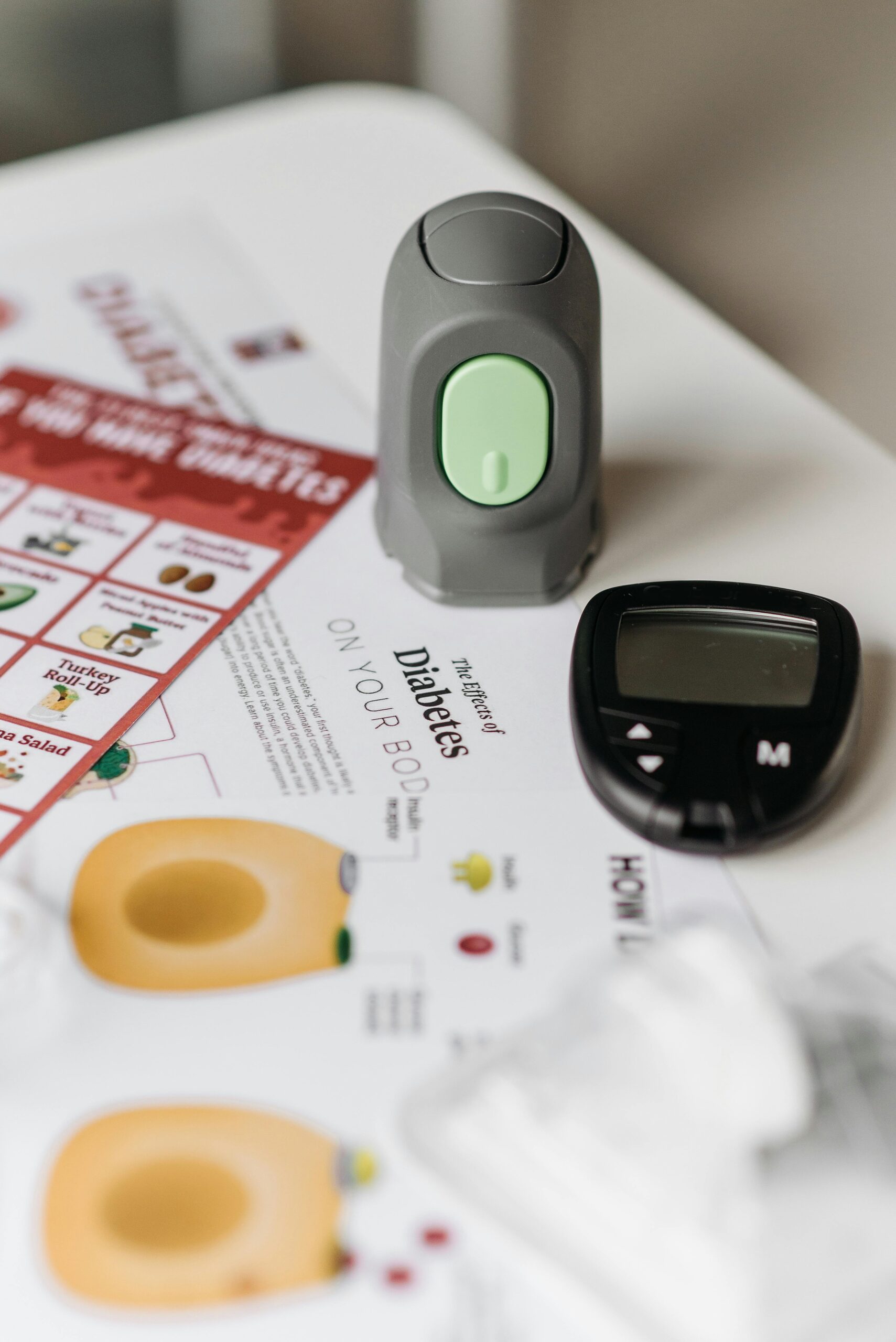
Glucose Logs Matter More Than Isolated Readings Diabetes care does not fail because clinicians lack glucose values. It fails when values are reviewed without pattern recognition. A single high fasting glucose can mislead. A single low reading can alarm. Glucose logs, reviewed over time, tell the real story. Pattern recognition allows clinicians to: Understand glycaemic … Read more

Tracking Blood Pressure Trends Across Months: Guide to Safer, Smarter Hypertension Monitoring

monitoring data

Month-to-Month Trends Matter More Than Single Blood Pressure Readings Blood pressure management fails most often not because clinicians lack data, but because data are interpreted out of context. A single high reading can trigger anxiety, unnecessary medication changes, or referrals. A single normal reading can falsely reassure. Trends across months tell the real story. Tracking … Read more

Monitoring Hypertension, Diabetes, and Asthma: 3 Conditions Where Continuous Care Prevents Silent Crises

recurring cough

Hypertension, Diabetes, and Asthma Matter Together Hypertension, diabetes, and asthma look different on the surface. One affects blood pressure. One affects blood sugar. One affects breathing. But they share a dangerous trait. They can worsen quietly. People often feel “fine” right up until a crisis happens. A stroke. A severe asthma attack. A diabetic emergency. … Read more

Hidden Economics of Smaller Patient Panels in African Clinics

hospital reputation

“Busy” Clinics Still Struggle Financially Many clinics across Africa are busy every day. Waiting rooms are full. Doctors are rushed. Staff are overwhelmed. Yet at the end of the month, profits feel thin, and stress feels high. This creates confusion. If demand is strong, why does the clinic still feel financially fragile? The answer often … Read more

Volume to Value is Reshaping African Medical Practice: Push for a Smooth Transition

asthma or infection

When “Busy” Stops Meaning Successful For many doctors across Africa, a full waiting room once felt like success. Long queues meant demand. Busy days mean relevance. But over time, something changes. Doctors feel exhausted. Staff feel tense. Patients feel rushed. Follow-ups slip. Trust quietly weakens. This is the moment many doctors reach a hard truth: … Read more

9-Point Guide in Calculating Ideal Panel Size for Premium Care in African Medical Practice

asthma symptom

Bigger Panels Feel Busy—Not Better Many doctors in Africa ask the same question quietly: “How many patients should I really be responsible for?” There is no single magic number. But there is a safe range—and crossing it often leads to rushed care, missed follow-ups, staff stress, and burnout. Premium care is not about seeing everyone. … Read more