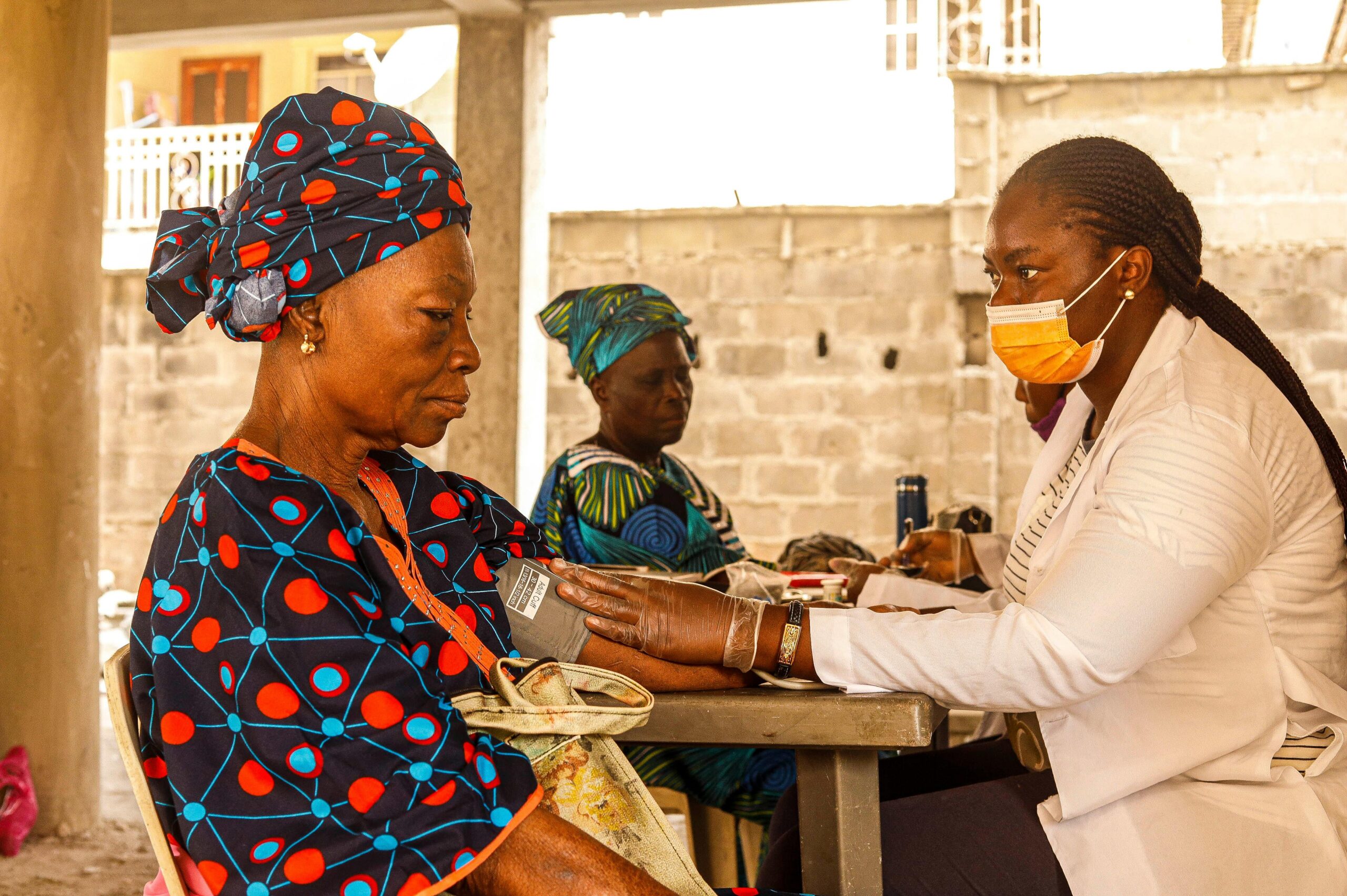
Repeating Tests and Stories at Every Visit—5 Silent Costs of Fragmented Care in Africa

repeating tests

“Tell me your history again.” “How long has this been happening?” “Do you have your last test results?” For many African patients, this happens at every appointment. New clinic. New doctor. Same story. Same blood test. Same scan. Repeating your medical history and repeating tests may seem normal. But it is often a sign of … Read more


The Dangerous Truth: How Missed Diagnoses and Fragmented Care Are Hurting African Patients

fragmented care

Across many African health systems, patients often move from one clinic to another. One visit for headaches. Another for chest pain. A different hospital for blood pressure. Each visit stands alone. This is called fragmented care. And when care is fragmented, diagnoses are often delayed—or missed completely. The result? Advanced disease. Higher costs. More suffering. … Read more

African Households Can Reduce Late-Night Eating and Sugary Drinks: 7 Prevention Habits That Lower Disease Risk

late-night eating

The Hidden Risk After Sunset Many health risks do not start at breakfast. They start at night. Late-night eating and sugary drinks have quietly become common in urban African homes. Long workdays. Traffic. Late dinners. Social media before bed. Sweet beverages to “relax.” Over time, these habits increase the risk of: weight gain high blood … Read more

8 Simple Dietary Shifts That Support Long-Term Health in African Households

dietary shifts

You Don’t Need a New Diet—You Need Better Direction Many people think improving their diet means giving up traditional foods or following extreme plans. That is not true. Long-term health does not require expensive superfoods or imported products. Long-term health requires simple dietary shifts—small changes that fit African kitchens, local markets, and family routines. This … Read more

7 Powerful Lifestyle Habits That Reduce Disease Risk in African Adults: Simple Daily Choices Strengthen Families

africa's top 5%

Small Daily Habits, Big Lifetime Impact  Many of the most serious diseases affecting African adults today do not appear overnight. They build slowly. High blood pressure. Type 2 diabetes. Heart disease. Stroke. These conditions are strongly linked to daily lifestyle habits. The good news? Small, consistent habits can significantly reduce disease risk over time. This … Read more

Recurring Colds Without Fever in African Children: 5 Reasons Why It Happens and When to Monitor Closely

colds without fever

Your child has a runny nose again. Maybe a mild cough. Sneezing. But no fever. A few weeks later, it happens again. Many African parents ask: “Why does my child keep getting colds without fever?” “Is something wrong with their immunity?” In most cases, recurring colds without fever are not dangerous. But patterns matter. Environment … Read more

Nighttime Cough and 7 Possible Triggers in African Children: Why it Happens and When to Worry

symptom monitoring

Few things worry parents more than a cough that starts—or worsens—at night. A child who seems fine during the day may begin coughing once the lights go off. Sleep is disrupted. Parents lie awake listening, wondering if something is wrong. In African settings, nighttime cough is common. Dust, dry air, humidity, smoke exposure, infections, and … Read more

Recurring Cough, Cold, and Respiratory Issues in African Children: 4-Point Guide for Safe Monitoring

recurring cough

Recurring coughs and colds are part of childhood. In African homes, they can feel almost constant—one child gets better, another starts coughing, then the cycle repeats. Dusty seasons, school exposure, humidity, cooking smoke, and changing weather all play a role. Most of the time, these breathing issues are mild. But when coughs and colds keep … Read more

Long Commutes and Burnout in African Cities: The Hidden Health Cost Busy Professionals Ignore

long commutes

Long commutes are often treated as normal in African cities. Traffic is expected. Delays are routine. Early departures and late arrivals feel unavoidable. What many busy professionals do not realize is that long daily commutes quietly increase stress, drain energy, and accelerate burnout—even when work itself feels manageable. This post explains how long commutes affect … Read more

Episodic Healthcare is Failing Modern Africans—and What Must Change

problems with episodic care Africa

Many Africans still rely on a “come-when-you’re-sick, leave-when-you’re-better” style of medical care—what we call episodic healthcare. This means people only see a doctor when symptoms flare up, and then they won’t show up once they feel better. But as lifestyles change, populations age, and non-communicable diseases rise, episodic care is proving disastrous. For millions across … Read more