

A cancer diagnosis changes everything. Suddenly, families begin searching:
Should we stay in Africa?
Is treatment better in Europe or Asia?
Is abroad always safer?
These are real, emotional, and urgent questions. But the truth is more complex than simply choosing “local” or “international.”
This guide will explain the real differences between cancer treatment in Africa and treatment abroad, so that you can make a calm, informed decision.
If you have not yet reviewed our broader framework, read Comparing Popular Medical Tourism Countries: 7 Powerful Insights to Help You Choose Wisely to understand the bigger picture of treatment planning abroad. Now, let’s focus on cancer specifically.
Is There a “Best Country” for Cancer Treatment?
There is no single best country. A patient with early-stage breast cancer may not need to leave Africa. A patient requiring rare immunotherapy might need access to a highly specialized center abroad. The best option depends on:
- type of cancer
- stage at diagnosis
- available specialists
- access to radiation and chemotherapy
- your financial capacity
- your ability to travel safely
The “best country” is always diagnosis-specific.
1. Cancer Treatment in Africa: The Reality
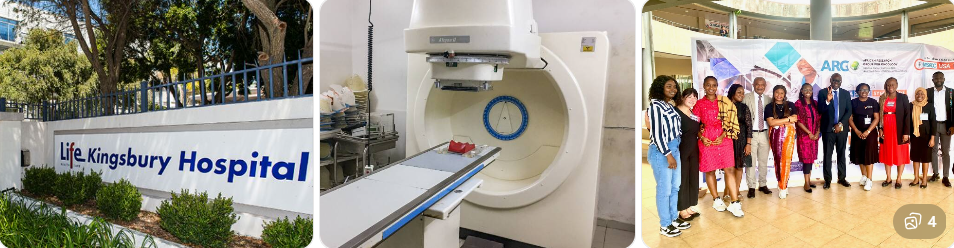
Africa is not one system. There are many different healthcare systems. Some major cities have advanced oncology services. For example:
- South Africa has strong oncology centers and access to radiation therapy
- Egypt has large cancer institutes
- Kenya and Nigeria have expanding private oncology services in major cities
Strengths of Staying in Africa
- shorter travel distance
- easier family support
- lower travel cost
- cultural familiarity
- easier long-term follow-up
Limitations in Some Regions
- limited access to advanced immunotherapy
- fewer clinical trials
- equipment downtime in public systems
- delays in radiation scheduling
In large private hospitals, quality can be strong. In rural areas, access may be limited.
2. Cancer Treatment Abroad: What Changes?
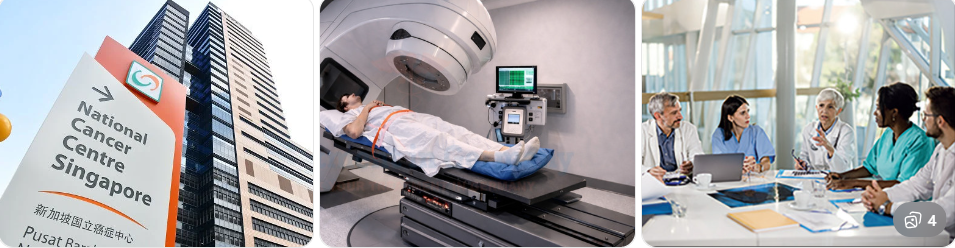
Countries such as Singapore, Germany, and the United Kingdom often offer:
- advanced targeted therapies
- broad access to immunotherapy
- molecular genetic testing
- structured multidisciplinary cancer boards
- participation in global clinical trials
Advantages Abroad
- highly specialized sub-specialists
- access to cutting-edge drugs
- advanced radiation equipment
- structured cancer pathways
Limitations
- high cost
- long travel distance
- visa requirements
- need for careful follow-up coordination after returning home
3. Cost Differences: Africa vs Abroad
Cancer treatment is expensive everywhere. Travel costs, accommodation, currency exchange, and extended stays increase total expenses abroad. However:
- treatment in India or Turkey may cost less than in Europe
- treatment in Singapore, Germany, or the UK is often significantly more expensive
- local private oncology in major African cities may be mid-range
The lowest price is not always the safest option.
4. Technology and Equipment Differences
Some advanced technologies more commonly available abroad include:
- proton therapy
- advanced genetic tumor profiling
- CAR-T therapy (in selected countries)
These treatments are not required for every cancer case. In many early-stage cancers, standard surgery and chemotherapy—available locally—are equally effective when delivered properly. Your decision must be based on medical necessity, not fear.
5. Travel and Health Stability
Cancer patients may be weak, anemic, immunocompromised, and recovering from surgery. Your doctor must confirm that you are medically stable to travel. Sometimes, stabilizing locally first is safer. Long flights (8–14 hours) increase:
- blood clot risk
- fatigue
- infection exposure
6. The Follow-Up Reality
Cancer treatment is not a single event. It is not one surgery. Not one chemotherapy cycle. Not one hospital admission. It is a long journey. If treatment is done abroad, the most critical phase often begins after you return home.
Cancer Care Is Ongoing
Patients typically need:
- Regular blood tests to monitor liver function, kidney function, blood counts, and tumor markers
- Imaging scans such as CT, MRI, PET, or ultrasound to check treatment response
- Medication adjustments to manage side effects or change therapy if needed
- Long-term monitoring to detect recurrence early
These steps may continue for months—sometimes years. Missing follow-up appointments can delay the detection of complications or recurrence.
Follow-Up Becomes More Complex After Treatment Abroad
When care happens overseas, several challenges can arise after returning to Africa:
- certain medications may not be easily available locally
- lab reference ranges may differ between countries
- imaging machines may vary in quality
- advanced monitoring tests may not be accessible outside major cities
- communication gaps may occur between doctors in different countries
Without structured coordination, small warning signs can be overlooked. These may seem minor at first. But if not addressed quickly, they can become serious. For example:
- mild drop in blood counts
- early signs of infection
- slow wound healing
- subtle scan changes
Importance of Doctor-to-Doctor Communication
Strong follow-up requires:
- detailed discharge summary from the overseas hospital
- clear medication lists (including alternatives if unavailable locally)
- written monitoring schedule
- defined warning signs that require urgent care
- direct communication when clarification is needed
When this coordination is missing, care becomes fragmented. And fragmented care increases risk. Your personal doctor should fully understand:
- type and stage of cancer
- exact treatment given
- expected side effects
- long-term plan
Emotional and Practical Support Matters Too
Follow-up is not only medical. Being close to family and a trusted physician at home provides emotional stability that supports physical recovery. Patients may experience:
- fatigue
- anxiety about recurrence
- appetite changes
- depression
- financial stress
🫸 Practical Reminder for African Patients
Medical travel abroad without a follow-up plan can create more risk than benefit. In many African settings, access to oncology services may be concentrated in major cities. If you live far from specialized centers, you must plan:
- where follow-up blood tests will be done
- where imaging will be performed
- who will adjust medications
- what to do in an emergency
🫶 The Core Truth
Cancer treatment abroad can provide advanced care. But survival and quality of life often depend on what happens after you return home. Strong coordination between the overseas oncology team and your personal doctor ensures:
- early detection of complications
- safe medication management
- clear communication
- continuous monitoring
Follow-up is not optional. It is the safety net. Cancer care is a journey. And every safe journey requires careful, long-term guidance—not isolated decisions.
7. Staying in Africa May Be the Better Option
Cancer care is often months-long. Staying near home can reduce stress. Staying local may be best when:
- cancer is in the early stages
- quality oncology is available in your city
- travel would delay urgent surgery
- financial resources are limited
- long-term chemotherapy is required
8. Treatment Abroad May Be Worth Considering
The decision should be medical—not emotional. Going abroad may be considered when:
- cancer is rare or very complex
- advanced genetic testing is required
- local equipment is unavailable
- require highly specialized sub-specialists
- your doctor recommends a referral
ChextrMD Continuity of Care Protects Cancer Patients
Cancer is not a one-week event. It is a journey. And journeys require continuity. Cancer care requires coordination. Your trusted doctor should:
- confirm diagnosis before travel
- review pathology reports
- evaluate treatment plans
- monitor recovery after return
- adjust medications safely
ChextrMD does not replace oncology centers abroad. It supports continuous access between physicians and their known patients. This structured oversight ensures:
- no gaps in communication
- clear understanding of your full medical history
- long-term safety monitoring
FAQs: Africa vs Abroad for Cancer Treatment
Making cancer treatment decisions is emotional. It is urgent. Below are deeper answers to the most common questions African families ask when comparing treatment locally versus abroad.
👨🏾🦱 Is cancer treatment in Africa unsafe?
Not necessarily. Many major African cities now have capable oncology centers with trained specialists, chemotherapy units, and radiation therapy machines. Safety depends on:
- hospital’s infrastructure
- availability of radiation equipment
- oncologist’s training and experience
- access to pathology services
- ICU backup if complications occur
In early-stage breast cancer, colon cancer, prostate cancer, and some lymphomas, outcomes can be similar when treatment protocols are followed properly. However, access may vary between urban and rural areas.
Equipment downtime, drug shortages, or delayed imaging can sometimes occur in certain systems. The key is to evaluate the specific hospital—not assume the entire continent is the same.
👨🏾🦱 Should every African cancer patient travel abroad?
No. Traveling abroad is not automatically safer or better. Cancer treatment often requires multiple cycles over several months. Many patients can receive effective care locally, especially when:
- cancer is detected early
- surgery is straightforward
- standard chemotherapy is available
- radiation services are functional
The decision should be based on medical necessity—not fear, pressure, or social trends. Travel may be considered when:
- cancer is rare or unusually aggressive
- advanced molecular testing is required
- highly specialized surgical team is necessary
- your doctor recommends a referral due to complexity
👨🏾🦱 Is treatment abroad always more advanced?
Sometimes, but not always. Hospitals in countries such as Singapore, Germany, or the UK may offer:
- advanced immunotherapy
- targeted molecular therapies
- access to international clinical trials
- highly specialized cancer sub-specialists
However, not every patient requires these therapies. Advanced does not always mean better for every case. It means more options for specific situations.
The real question is: Does your specific cancer require those advanced options? That answer must come from careful medical evaluation.
👨🏾🦱 What is the biggest mistake families make?
Rushing. Some families immediately begin fundraising or booking flights before:
- confirming the biopsy diagnosis
- reviewing pathology with a second opinion
- staging the cancer properly
- evaluating local specialist options
- planning long-term follow-up
Another common mistake is ignoring follow-up planning. Cancer care does not end after surgery abroad. Cancer decisions made in panic can lead to:
- unnecessary financial strain
- treatment delays
- fragmented care
- poor coordination after returning home
The Real Difference Is Planning
The real difference between cancer treatment in Africa and abroad is not simply geography. It is about:
- specialist access
- technology availability
- treatment coordination
- financial sustainability
- long-term follow-up planning
Some patients truly benefit from treatment abroad. Others prefer to stay closer to home. The wisest path is the one guided by careful medical review, not assumption. Cancer treatment requires courage.
But it also requires calm, structured decision-making—with your trusted physician involved every step of the way.