

Bigger Panels Feel Busy—Not Better
Many doctors in Africa ask the same question quietly: “How many patients should I really be responsible for?” There is no single magic number. But there is a safe range—and crossing it often leads to rushed care, missed follow-ups, staff stress, and burnout.
Premium care is not about seeing everyone.
It is about caring well for the right number of patients.
This post explains how African doctors can calculate an ideal patient panel size that protects quality, outcomes, and long-term sustainability—without guilt or fear.
This article supports the post: Smaller Panels, Higher Value-How African Clinics Deliver Premium Care By Focusing on Fewer Patients
What “Panel Size” Really Means
A patient panel is not how many people you see in one day. It is the total number of active patients whom you are responsible for over time. In premium care, responsibility does not end when the visit ends. That is why panel size matters. This includes:
- follow-ups
- chronic care
- results review
- ongoing guidance
- periodic check-ins
High Panel Sizes Break Premium Care
In African settings, where follow-up may already be difficult due to transport, work pressure, or cost, large panels magnify risk. Premium care needs margin—margin for thinking, checking, and responding. Large panels create invisible problems:
- follow-ups become delayed
- results pile up
- messages go unanswered
- chronic care becomes reactive
- doctors stay busy but feel ineffective
🕐 1. Start With Time, Not Money, to Calculate Panel Size
Many doctors try to calculate panel size using income targets. That often leads to overload. Instead, start with time. Time is the true limiting factor—not demand. Ask three simple questions:
- How many hours per week can I safely work long-term?
- How much time does each patient actually need over a year?
- How much buffer do I need for complexity and surprises?
🛌 2. Estimate Annual Care Time Per Patient
Not all patients need the same attention. In African private practice, most panels include a mix of:
- acute, occasional-care patients
- stable chronic-care patients
- complex or multi-condition patients
A simple average works best. Conservative estimate (premium care):
- 2–4 visits per year
- 15–30 minutes per visit
- plus time for review, documentation, and follow-up
This often equals 1.5 to 3 hours per patient per year. Premium continuity of care usually sits on the higher end.
📇 3. Calculate Your Annual Clinical Capacity
Now look at your real capacity. Example:
- 40 clinical hours per week
- 48 working weeks per year = 1,920 hours per year
But premium care requires a buffer. Subtract:
- administrative time
- staff meetings
- emergencies
- learning and rest
Many doctors find that 60–70% of total hours is the safe clinical maximum. That leaves:
- ~1,200–1,300 hours per year for patient care
♦️ 4. Simple Panel Size Formula
Now combine the numbers. Example calculation:
- 1,200 care hours per year
- ÷ 2.5 hours per patient per year = ~480 active patients
This is not small. But it is manageable, human, and safe. Many premium African practices operate between 300 and 700 active patients per doctor, depending on complexity and support.
👫🏿 5. “Daily Volume” Is a Misleading Metric

Seeing 40–60 patients a day looks productive. But it hides future cost. Panel size focuses on responsibility, not speed. Premium outcomes come from consistency, not traffic. High daily volume often means:
- short visits
- poor explanations
- deferred thinking
- repeat visits for the same problem
👩🏿🦽 6. Adjust Panel Size Based on Care Type
Premium care almost always means smaller panels. Your ideal panel shrinks when:
- managing chronic disease
- serving older populations
- offering preventive care
- providing continuity and monitoring
Your panel may grow slightly when care is mostly acute, and visits are rare and simple.
🧘🏿♂️ 7. Factor in African Realities for Panel Size
African practice adds unique considerations:
- family involvement increases consultation time
- health beliefs need discussion
- follow-up requires extra effort
- social factors affect outcomes
Ignoring these realities leads to overload. Panel size must reflect context, not just numbers.
👨🏿💻 8. Staff Support Changes the Math for Panel Size
Strong teams help—but they do not remove responsibility. Staff extend capacity slightly. They do not double it. Even with excellent nurses and receptionists:
- final decisions rest with the doctor
- trust rests with the doctor
- accountability rests with the doctor
🔥 9. Review Panel Size Regularly
Your ideal number will change over time. Premium practices are deliberately adjusted, not reacted to. Review when:
- case complexity changes
- staff changes
- services expand
- personal energy shifts
Signs Your Panel Is Too Large
These are capacity warnings, not personal failures. You may already be over capacity if:
- feel constantly behind
- follow-ups are delayed
- rush explanations
- staff feel stressed daily
- dread clinic days
Smaller Panels Increase Value, Not Just Safety
Premium value grows naturally when care is sustainable. When the panel size is right:
- outcomes improve
- trust deepens
- word-of-mouth strengthens
- revenue per patient rises
- burnout drops
Ideal Panel Size: Responsibility, Not Exclusion
Limiting panel size does not mean turning people away carelessly. This is ethical medicine. It means:
- being honest about capacity
- protecting quality
- referring when needed
- growing carefully
ChextrMD Fits Into Premium Continuity of Care
Premium care is not only about panel size. It is also about how doctors stay connected to their known patients between visits, without creating chaos or unsafe expectations. ChextrMD is positioned to support this exact need.
ChextrMD is not a marketplace and not a replacement for clinic visits. Instead, it supports continuous guidance and oversight between a doctor and their existing, known patients.
This allows physicians to maintain continuity of care while keeping boundaries clear and professional. For doctors managing smaller, well-defined patient panels, ChextrMD helps reinforce premium care by supporting:
- structured follow-up for known patients
- ongoing oversight without informal or unsafe messaging
- clear continuity between in-person visits
- organized communication that respects the doctor’s capacity
This model works best because panel sizes are intentional. When doctors are responsible for a manageable number of patients, digital support becomes safer, calmer, and more effective—rather than overwhelming.
In African healthcare settings, where trust, relationships, and follow-through matter deeply, this approach aligns naturally with premium care values:
❇️ Personalized oversight, not mass access
❇️ Continuity, not fragmentation
❇️ Structure, not constant interruption
ChextrMD strengthens what good doctors already do well: stay involved, stay organized, and care responsibly for patients who trust them.
FAQs on Ideal Panel Size
Q1: What is an ideal patient panel size for premium care?
There is no single number for every doctor. Many premium practices in Africa safely manage 300-700 active patients per doctor, depending on case complexity, staff support, and follow-up needs.
Q2: Is panel size the same as daily patient volume?
No. Daily volume is the number of patients you see in a day. Panel size is the total number of patients you are responsible for over time, including follow-ups, chronic care, and results review.
Q3: Why do smaller panels work better for premium care?
Smaller panels allow doctors to spend more time thinking, explaining, and following up. This improves understanding, trust, and outcomes, especially for chronic and preventive care.
Q4: Will limiting my panel reduce my income?
Not usually. Premium care often increases value per patient through continuity, loyalty, and long-term relationships. Many doctors earn more with fewer patients and less burnout.
Q5: How do I know if my current panel is too large?
Common signs include delayed follow-ups, constant rushing, staff stress, missed details, and feeling exhausted most days. These are capacity signals, not personal weaknesses.
Q6: Does panel size matter in busy African cities?
Yes. Urban patients are increasingly busy and value doctors who respect their time, remember their history, and provide consistent guidance. Smaller panels support this expectation.
Q7: Can good staff allow me to manage a larger panel?
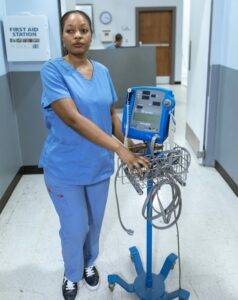
Strong staff help, but do not replace the doctor’s responsibility. Final decisions, trust, and accountability still rest with the physician, which limits safe panel size.
Q8: Should panel size be the same for all specialties?
No. Doctors managing chronic disease, elderly patients, or preventive care usually need smaller panels than those providing mostly acute, short-term care.
Q9: Is limiting panel size ethical in African healthcare?
Yes. Ethical care means matching responsibility to capacity. Providing rushed or unsafe care helps no one. When necessary, referrals should be made clearly and respectfully.
Q10: How does the ideal panel size support continuity of care?
Smaller panels make it realistic to know patients well, follow their progress, and stay involved between visits. This is the foundation of continuity and better outcomes.
Key Takeaways
✅ Panel size is about responsibility, not daily traffic. It includes follow-ups, chronic care, results review, and ongoing guidance.
✅ Premium care needs a margin. Doctors need time to think, explain, and monitor patients safely.
✅ Smaller panels improve outcomes. Better follow-up, clearer communication, and stronger trust lead to fewer complications.
✅ Time is the true limiting factor, not demand or income goals.
✅ Most premium African practices manage fewer patients safely, between 300 and 700 active patients per doctor, depending on complexity.
✅ Staff support helps but does not remove responsibility. Final accountability always rests with the doctor.
✅ African realities matter. Family involvement, follow-up challenges, and social context require extra care time.
✅ Limiting panel size is ethical. It protects patients, doctors, staff, and the long-term sustainability of the clinic.
✅ Review panel size regularly as services, workload, and capacity change.
✅ When responsibility matches capacity, premium care becomes possible.
Right Panel Size Protects Everyone

In African medical practice, where trust and continuity matter deeply, panel size is a clinical decision—not just a business one. An ideal panel size protects:
- patients from rushed care
- doctors from burnout
- staff from chaos
- clinics from reputational damage
When responsibility matches capacity, premium care becomes possible.