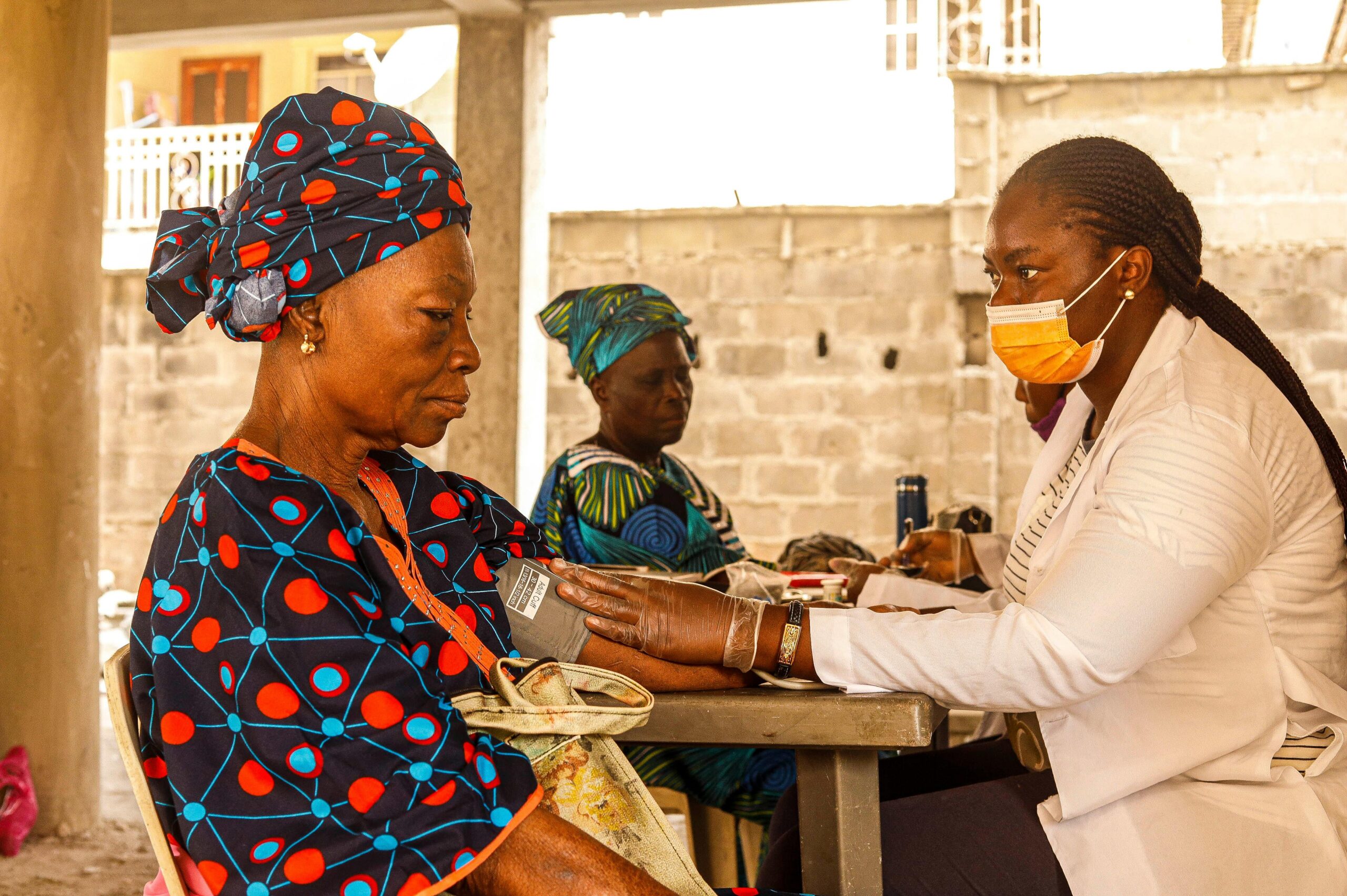
Many Africans still rely on a “come-when-you’re-sick, leave-when-you’re-better” style of medical care—what we call episodic healthcare. This means people only see a doctor when symptoms flare up, and then they won’t show up once they feel better.
But as lifestyles change, populations age, and non-communicable diseases rise, episodic care is proving disastrous. For millions across Africa, it means late diagnoses, repeated crises, high costs, and often, preventable deaths.
This long-read will explore why episodic healthcare is failing modern Africans—and why a shift toward continuous, integrated, people-centred care is urgently needed.
Note: Because every national health system in Africa differs, “Africa” is used in a general sense—but the truths apply widely, especially in sub-Saharan Africa.
Episodic Healthcare—Why It No Longer Fits Africa’s Health Needs
- Episodic healthcare refers to healthcare delivered in isolated stops: a symptomatic visit, treatment, and discharge. There’s no systematic follow-up.
- It thrives in settings where acute, infectious diseases—malaria, diarrhea, acute infections—were historically the main causes of illness.
For decades, this made sense: infectious diseases then dominated. Clinics and hospitals were designed to treat emergencies and one-off illnesses. But times have changed.
Africa’s Changing Disease Burden—From Infection to Chronic

- The burden of non-communicable diseases (NCDs)—like diabetes, hypertension, heart disease, chronic respiratory illness, and cancer—is rising fast in Africa.
- According to the regional report by the World Health Organization (WHO), NCD-related deaths in sub-Saharan Africa rose from about 24% of all deaths in 2000 to 37% in 2019.
- If the trend continues, NCDs will overtake communicable diseases, nutritional conditions, and maternal/neonatal causes as the leading causes of death by 2030.
This shift means more people live with long-term, often silent diseases—diseases that don’t resolve with a single visit or a short course of treatment. They require continuous monitoring, prevention, lifestyle counselling, periodic lab tests, and follow-ups. Episodic healthcare cannot deliver.
Shortcomings of Episodic Healthcare for Chronic, Long-Term Needs
Missed Early Diagnosis and Delayed Treatment
Because episodic care waits for symptoms before acting, chronic conditions often remain unnoticed until they reach advanced or complicated stages. This leads to:
- Late diagnosis—for example, hypertension or diabetes only detected when complications arise (stroke, kidney failure, heart disease).
- High risk of preventable complications.
- Increased hospital admissions, emergency interventions, surgical procedures, and overall worse outcomes.
A holistic care model would detect, monitor, and intervene much earlier. Failure to do so results in huge human costs.
Fragmentation and Lack of Continuity—Patients Get Lost in the System
Episodic care often lacks continuity. Patients see different doctors at each visit, or no follow-up at all. This fragmentation means:
- No consistent medical history is maintained: each visit is treated as a separate event.
- Poor tracking of disease progression or treatment adherence.
- Lack of accountability or responsibility for long-term health outcomes.
In contrast, continuity of care (the patient stays with a doctor or consistent care team over time) helps reduce hospitalizations, improve satisfaction, and allow proactive management.
Poor Patient Engagement and Low Self-Care
When care is episodic:
- Patients may not understand the chronic nature of their disease.
- They lack education about prevention, lifestyle change, and self-management.
- Without regular follow-up, compliance with therapies or lifestyle modifications drops.
Continuity of care fosters trust, better communication, and counselling—resulting in better self-care, adherence, and fewer emergencies.
High Out-of-Pocket Costs and Catastrophic Expenditures
In many African countries:
- People pay out-of-pocket for most services (medicines, diagnostics, follow-ups).
- Episodic care can lead to repeated costs—many visits, multiple hospital admissions— which quickly become catastrophic, especially for chronic conditions.
By contrast, integrated care models can reduce redundant services, prevent crises, and bring down total lifetime costs.
Health Systems Strained and Under-Prepared
Most health systems in Africa remain oriented toward acute, episodic care. According to research, many hospital systems already have untapped capacity to scale up chronic disease care—but lack structural reforms.
This mismatch between system design and current health realities means health outcomes lag, despite the presence of resources.
Evidence That Continuous, Integrated Care Works—and Episodic Care Falls Short
What Is “Continuity of Care”?
According to a concept analysis, continuity of care involves: care over time, coordinated and consistent interaction between patient and care team, proper information transfer, and adaptability to changing needs. Three common dimensions:
- Informational continuity: Complete, accessible patient health records over time
- Management continuity: Coherent, organized, timely care across different providers if needed
- Relational continuity: Stable and trusting patient-provider relationship over time.
Benefits Seen in Chronic Disease Management
Empirical evidence shows:
- Among patients with diabetes or hypertension, high continuity of care is associated with fewer hospitalizations, fewer emergency visits, fewer complications, lower mortality, and lower healthcare costs.
- Patients experience higher satisfaction, better self-care, and adherence to treatments, likely because they trust their care providers and feel supported.
- In settings where care is integrated (not disease-vertical), health systems become more efficient and equitable.
These outcomes strongly suggest that continuity and integration—not episodic visits—are the right paradigm for modern African health challenges.
Real-World African Moves Toward Integrated Chronic Care
Responding to the NCD surge, the region is adopting new models.
For example, the PEN-Plus Strategy (expanding on the earlier WHO PEN initiative) seeks to decentralize care for severe chronic diseases (type 1 diabetes, sickle cell disease, rheumatic heart disease) to district hospitals and first-level referral clinics—bringing care closer to patients’ homes.
In several African countries, PEN-Plus has increased access to ongoing care, helping treat and monitor chronic diseases among underserved populations.
Meanwhile, studies from Ghana show that when family physicians provide continuous care through a chronic care clinic model, they significantly improve management, trust, adherence, and patient-centeredness.
Episodic Healthcare Remains Common—Structural and Systemic Barriers
To appreciate why episodic care persists, we must examine systemic factors.
Historical Focus on Infectious Diseases and Vertical Programs
- For decades, international aid and national policies prioritized infectious diseases (HIV, malaria, TB),
 maternal and child health. These needs were urgent and visible.
 - Health systems were built around vertical, disease-specific programs rather than integrated, long-term care. This legacy persists.
- Chronic diseases were considered “diseases of affluence” or “future problems,” so investments in chronic care lagged.
 maternal and child health. These needs were urgent and visible.
Underinvestment in Primary Care and Chronic Care Infrastructure
- Many African countries have limited availability of essential medicines, diagnostics, and skilled human resources for chronic disease care.
- Only a minority of public hospitals report having the “essential medicines for NCDs.” In a 2019 survey, only ~36% of countries in the African region said their public hospitals had essential NCD medicines.
- Weak health financing mechanisms: heavy reliance on out-of-pocket, with minimal insurance coverage, leading many to avoid care until a crisis.
Workforce Shortages, Poor Training, and Fragmented Health Workforce
- Many health facilities lack trained personnel to manage chronic diseases. Staff are often overburdened and undertrained in chronic disease management.
- Health worker shortage undermines the ability to provide consistent follow-up, patient education, and long-term monitoring.
Data and Information System Gaps
- Without robust health information systems, maintaining longitudinal records—crucial for continuity—is difficult. Fragmented records, missing follow-ups, and lost data are common.
- As a result, each visit is isolated; old labs or treatments are forgotten; doctors cannot build on past interventions.
Socioeconomic Barriers—Cost, Distance, Trust, Awareness
- Rural populations may need to travel long distances to tertiary hospitals, incurring travel and accommodation costs. For chronic care with frequent follow-ups, this is a huge burden.
- Some patients may distrust the healthcare system or see no need for follow-up when feeling “well.”
- Poverty, lack of education, and limited awareness about chronic disease—all factors that discourage engagement with preventive/ongoing care.
Human Cost—Real Consequences of Failing Episodic Care
Preventable Deaths and Complications
- With NCDs now responsible for a growing share of deaths—projected to be the top killers in sub-Saharan Africa by 2030—the lack of continuous care translates directly into premature, preventable deaths.
- Many people die not because the disease is unpredictable but because it was never managed or monitored properly.
Catastrophic Financial Burdens
- Recurrent hospitalizations, emergency care, and unmanaged chronic disease complications—all lead to catastrophic out-of-pocket expenses. For poor families, this often means selling assets, borrowing, and falling into deeper poverty.
- The economic burden of chronic disease also affects workforce productivity, household stability, and overall community welfare.
Diminished Quality of Life
- Without ongoing care and support, many patients live with uncontrolled symptoms: hypertension leading to strokes, diabetes leading to amputations or kidney failure, asthma left unmanaged, etc.
- Emotional and mental stress of living with unpredictable health crises, without guidance or reassurance, also erodes well-being.
Overburdened Hospitals, Inefficient Systems
- Episodic care contributes to repeated emergency admissions, long hospital stays, and inefficient use of resources—instead of prevention and management.
- Health systems become reactive rather than proactive—a costly, unsustainable cycle.
What Africa Is Trying—Emerging Models That Shift Away From Episodic Care
Integrated Chronic Care—The Promise of PEN-Plus
- The PEN-Plus Strategy adopted by many African countries aims to decentralize care for severe NCDs to district and first-level referral hospitals, closer to communities.
- PEN-Plus offers ongoing and regular care—medication access, follow-up visits, routine monitoring, and early diagnosis—which are essential for chronic disease management.
- Early evidence from PEN-Plus countries shows improved access, reduced barriers, and more equitable care for underserved and rural populations.
Strengthening Primary Care and Family Doctor Models
- In countries like Ghana, family medicine-based “chronic care clinics” have the power of continuous patient-doctor relationships. Patients report trust, better adherence, and better overall care.
- Such models build relational continuity, a cornerstone of long-term health management.
Policy Push for Integrated, Person-Centered Systems
- Health policy experts and researchers are calling for a shift away from disease-vertical programs toward integrated care systems that can handle both communicable and non-communicable, acute and chronic care.
- Sustainable investment in chronic disease care—infrastructure, training, affordable medicines, and diagnostics—is crucial in achieving global health objectives (UN Sustainable Development Goals).
Using Technology and Data Where Possible
- While many African countries lack robust health information systems, some efforts— including proposals for tele-management systems—show promise.
For instance, a tele-management framework for post-discharge chronic disease patients in resource-constrained settings has been proposed.
- In the long term, better ICT, data sharing, and record keeping can underpin continuous care even in remote areas.
Paradigm Shift Matters NOW: The Big Stakes for Africa’s Future
- As Africa’s population grows and ages, the burden of chronic diseases will only increase —risking a public health collapse if care models don’t evolve. Health experts warn that health systems risk collapse in the coming years if NCDs aren’t properly addressed.
- The economic toll—household and national levels—will worsen if people fall ill repeatedly, lose productive years, drain savings, and burden fragile health systems.
- Meeting global and regional health commitments (like reducing NCD mortality, achieving Universal Health Coverage) depends on shifting from episodic to continuous, integrated care.
In short—continuing with episodic healthcare is not just risky. It’s irresponsible.
What Needs to Change—A Roadmap for Africa’s Health Future
Based on evidence and emerging models, here are the key priorities:
Invest in Primary Care and Chronic Care Infrastructure
- Governments and stakeholders must fund chronic-disease care: essential medicines, diagnostics, trained staff, and follow-up clinics.
- Expand programmes like PEN-Plus to more countries and strengthen them with sustainable financing.
Build Continuity—Person-Centered, Patient-Doctor Relationships
- Promote models where patients see the same doctor or care team over time (family medicine, chronic care clinics).
- Ensure appointment systems, regular follow-ups, record keeping, and patient education.
Integrate Care—Not Just for One Disease at a Time
- Move away from vertical programs (disease-by-disease: HIV, TB, malaria) toward integrated systems that manage multi-morbidities, chronic infectious diseases, NCDs, maternal, and mental health.
- Use a “whole-patient” approach—lifestyle counselling, prevention, early diagnosis, maintenance.
Strengthen Health Information Systems and Use Innovation
- Develop robust health records systems—even paper-based to start—to track patient history, treatment plans, and follow-up.
- Explore ICT solutions and tele-management/tele-monitoring where feasible (especially for remote or rural areas).
Ensure Affordability and Access—Reduce Out-Of-Pocket Costs
- Expand universal health coverage or insurance schemes to cover chronic disease care.
- Decentralize services to district/rural hospitals to reduce travel and related costs — bring care closer to patients.
Raise Public Awareness and Promote Self-Care
- Educate communities about chronic diseases, prevention, and the importance of regular check-ups.
- Encourage healthy lifestyles while providing accessible follow-ups, counselling, and support.
Transition Challenges and Risks—What Could Go Wrong
Changing a whole health system is difficult. Transformation must be gradual, well planned, inclusive, and context-sensitive. There are some hurdles along the way:
- Funding Constraints: Many governments have tight budgets, competing priorities, and a limited tax base. Chronic care requires sustained investment.
- Workforce Limitations: Training doctors, nurses, and community health workers to provide continuous care—especially in rural/underserved areas—is a long-term challenge.
- Fragmented Policies and Distrust: Siloed disease programs may resist integration. Patients may distrust system changes or lose faith if follow-up is inconsistent.
- Infrastructure Gaps: Many regions lack electricity, stable supply chains for medicines, and diagnostics—undermining the quality of chronic care.
- Sociocultural Barriers: Myths about chronic conditions, reliance on traditional healers, and lack of health literacy—these may limit the uptake of long-term care.
Private Continuous-Care Providers—Why Personalized, Long-Term Care Matters
For many middle-income and high-income Africans, especially those living in growing urban centers, private continuous-care models are becoming an important part of staying healthy. These models do not replace the public system.
Personal continuity of care (like that provided by dedicated physicians or clinics) can complement public health systems—especially for chronic disease management.
- A stable doctor-patient relationship allows personalized care, close monitoring, lifestyle counselling, and early detection of new risks. They offer something the traditional episodic approach cannot: steady, long-term medical engagement.
- Faster access, better privacy, and potentially more holistic support. A strong and steady relationship with one physician allows for personalized care. Your doctor learns your history, your habits, your risks, and even your lifestyle patterns.
This makes it easier to spot small changes early—long before they become big problems. It also creates space for better monitoring, safer decisions, and simple day-to-day guidance on choices that protect long-term health. Appointments are easier to schedule. Conversations feel calm and unhurried.
Patients can ask questions without feeling rushed. This kind of environment builds trust, and trust is the glue that keeps patients returning for follow-ups, check-ins, and preventive care.
- For patients accustomed to episodic care, “go only when you feel sick”—this model provides a safe, reliable alternative that bridges the gap until public systems catch up.
Instead of bouncing between clinics or starting from scratch with a new doctor each time, patients get ongoing support, consistent messages, and a sense of stability.
- Most important of all, these private continuous-care services work alongside public health systems. They don’t replace them. They help ease the load by offering steady support for chronic conditions, long-term monitoring, preventive planning, and patient education.
When private doctors follow patients closely, public hospitals can focus more on emergencies and community-wide needs.
In this way, a strong private continuous-care relationship can act as a helpful partner to Africa’s evolving health landscape—giving patients safety, clarity, and long-term confidence in their wellness journey.
Africa Must Move Beyond Episodic Healthcare
Episodic healthcare made sense in a world dominated by acute, infectious illnesses. But today’s Africa faces a new reality: aging populations, rising non-communicable diseases, increased life expectancy, urbanization, and lifestyle shifts.
Continuing with episodic care for such a reality is like trying to sail a ship designed for short river journeys across a rough, open sea. It can barely keep afloat—and often sinks.
The evidence is clear: continuous, integrated, person-centred care works better. It reduces hospitalizations, prevents complications, lowers costs, and improves quality of life. It strengthens health systems rather than burdening them.
What Africa—governments, policymakers, healthcare providers, communities—must do is invest in primary care, build continuity, decentralize services, promote integrated systems, strengthen health records, and ensure affordability.
For patients: demand regular check-ups, build long-term relationships with trusted doctors, and recognise that health isn’t a one-time fix but a lifelong journey. For all of us: the choice is stark. Either we transform, or we risk watching preventable disease become our continent’s next catastrophe.
Jumpstart the Journey for an Improved Healthcare for African Families
 If you’re a healthcare leader, policy-maker, or physician in Africa, challenge the default. Ask— does our system treat people only when they’re sick? Or do we build relationships over time, support prevention, monitor, guide, and care for the whole person?
If you’re a patient or family member: don’t wait for sickness. Find a doctor you can trust. Ask for regular check-ups. Talk about prevention. Because health isn’t a one-time event—it’s a journey. For lasting health on the continent, we need continuity, commitment, and compassion. Let’s make the move.