
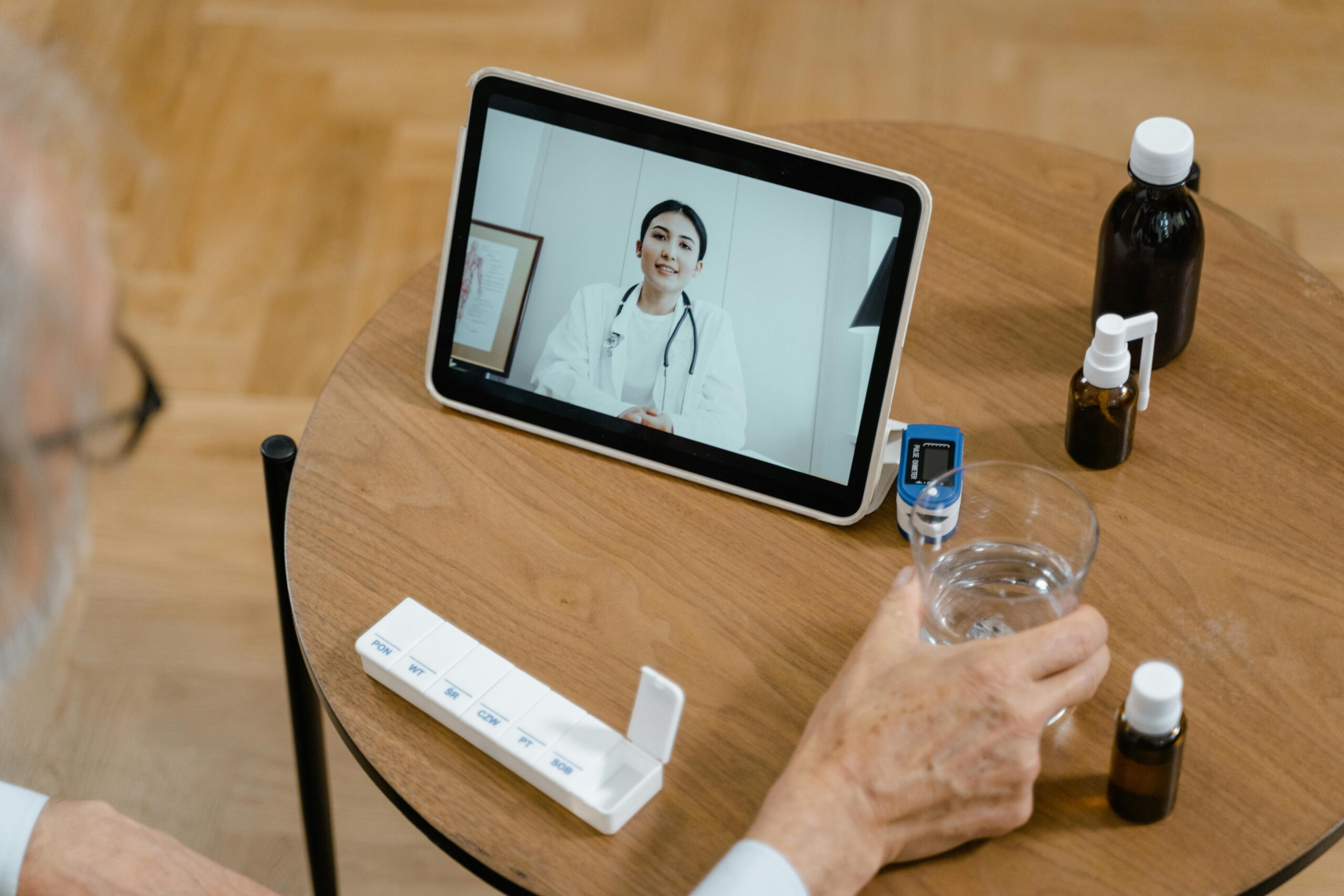
Choosing a personal doctor is one of the most important decisions. For high-net-worth individuals in Africa, the decision goes beyond credentials. It is about finding someone who can provide consistent, trusted, and long-term medical guidance.
Many people rely on referrals or convenience. But for busy professionals, entrepreneurs, and families managing complex lives, that is not enough. The right personal doctor should offer
- continuity
- discretion
- coordination
- clarity
This guide breaks down how to choose the right personal physician in Africa, step by step.
Choosing a Personal Doctor Matters More Than You Think

Healthcare across many African countries can feel fragmented. You may:
- consult different doctors for each health issue
- retelling your medical history several times
- struggle to coordinate care
Organizations like the WHO emphasize that continuity of care improves patient experience and outcomes. For high-net-worth individuals, a personal doctor becomes more than a provider—they become a long-term health partner.
This shift reflects a broader change in what Africa’s top 5% want from healthcare, where relationships matter as much as treatment.
1. Prioritize Continuity Over Convenience
It may be tempting to choose the closest or most available doctor. But the most important factor is consistency over time. A doctor who knows your history, lifestyle, and risk factors can make faster and more accurate decisions. Ask yourself:
- Can I see this doctor regularly?
- Will they be available long-term?
2. Check Credentials and Experience Carefully
In every country, doctors must be licensed. Make sure your physician is registered with the appropriate regulatory body, such as:
- Health Professions Council of South Africa (South Africa)
- Medical and Dental Council of Nigeria (Nigeria)
- Kenya Medical Practitioners and Dentists Council (Kenya)
To ensure safety and credibility, look beyond licensing. Consider:
- years of experience
- areas of expertise
- hospital affiliations
3. Evaluate Communication Style
A good doctor should not just diagnose—they should listen and explain clearly. Strong communication builds trust and improves decision-making. Pay attention to:
- Do they take time to understand your concerns?
- Do they explain options in simple terms?
- Do you feel comfortable asking questions?
4. Assess Availability and Responsiveness

Access matters. For busy individuals, delayed communication can disrupt both health and schedule. A reliable doctor should provide timely guidance when needed. Ask practical questions like:
- How quickly can I get an appointment?
- What happens in urgent situations?
- How are follow-ups handled?
5. Look for Strong Care Coordination Skills
Many high-net-worth individuals see multiple specialists. To reduce confusion and ensure that your healthcare is organized and efficient, your personal doctor should be able to:
- recommend trusted specialists
- coordinate referrals
- interpret test results
- align treatment plans
6. Consider Privacy and Discretion
Privacy is a major concern, especially for business leaders, public figures, and high-profile families. Working with fewer, trusted providers helps reduce unnecessary exposure of sensitive information. Ask how the doctor and clinic handle:
- medical records
- communication
- patient confidentiality
7. Understand Their Approach to Preventive Care
A strong personal physician focuses not only on treatment but also on prevention. Preventive care is essential for maintaining long-term health and productivity. Look for someone who:
- recommends regular health screenings
- tracks long-term risk factors
- provides lifestyle guidance
- plans ahead rather than reacting late
8. Check Their Network and Hospital Access
Your doctor’s network matters. This ensures that when additional care is needed, it can be arranged smoothly. They should be connected to:
- reputable private hospitals
- experienced specialists
- diagnostic centers
9. Trust Your Instincts
Finally, trust matters. A personal physician relationship is long-term. It should feel reliable and natural. Ask yourself:
- Do I feel comfortable with this doctor?
- Do I trust their judgment?
- Would I rely on them in a critical situation?
Common Mistakes to Avoid When Choosing a Personal Doctor
Avoiding mistakes significantly improves your healthcare experience. Many people make these mistakes when choosing a doctor:
- choosing based only on location
- switching doctors frequently
- not checking credentials
- ignoring communication quality
- focusing only on treatment, not long-term planning
How a Personal Doctor Fits Into Modern Healthcare Expectations
Choosing a personal doctor is part of a broader shift in healthcare. This aligns with what high-net-worth individuals expect from healthcare today. Patients are moving away from fragmented care and one-time consultations and toward
- continuous relationships
- coordinated care
- proactive planning
Practical Next Steps When Choosing a Personal Doctor
If you are considering a personal physician:
- Start with referrals: Ask trusted contacts or professionals.
- Schedule an initial consultation: Take advantage of this first encounter to assess communication and fit.
- Ask direct questions: During the consult, bring up your concerns about availability, coordination, and approach.
- Commit to consistency: Avoid switching providers unnecessarily.
When to Reconsider Your Current Doctor
A better fit can make a significant difference over time. It may be time to reconsider if
- you rarely see the same doctor
- communication is slow or unclear
- care feels disorganized
- you lack a clear long-term health plan
FAQs: Choosing a Personal Doctor in Africa
How do I know if a doctor is properly licensed?
Checking a doctor’s license is one of the most important first steps. Every African country has a regulatory medical body responsible for ensuring that doctors are qualified and authorized to practice. You can verify a doctor by
- searching their name on the council’s website
- asking the clinic directly for registration details
- confirming their specialization and certifications
This step ensures that your doctor meets professional and ethical standards, which is critical for safe care.
Is it better to choose a doctor linked to a private hospital?
In many African settings, yes—this can offer several advantages. Doctors connected to reputable private hospitals often have:
- easier access to diagnostic services (labs, imaging)
- established relationships with specialists
- faster referral pathways
- better coordination for hospital admissions if needed
This can make your healthcare experience more efficient, less fragmented, and easier to navigate. The best choice is a doctor who combines strong clinical networks with a personal, consistent approach to your care.
How do referrals and word-of-mouth influence choosing a doctor in Africa?
In Africa, referrals and word-of-mouth are the most trusted ways to find a good doctor. This can be very helpful because it reflects real patient experiences, especially around trustworthiness, communication style, and reliability. Patients rely on:
- recommendations from family and friends
- advice from business associates
- referrals from other trusted doctors
A strong referral is a good starting point—but your final decision should be based on both trust and professional standards.
Should I choose a general practitioner or a specialist?

For most people, especially those looking for long-term care, a general practitioner (GP) is the best starting point. Think of them as your central healthcare guide. A GP can:
- handle common health concerns
- monitor chronic conditions
- provide preventive care
- coordinate referrals to specialists
Specialists are important when dealing with specific conditions (like heart disease or diabetes), but they usually focus on one area only. A GP helps ensure that all parts of your healthcare are connected and consistent.
How important is location when choosing a doctor?
Location does matter—but it should not be your top priority. Choosing a doctor simply because they are nearby can lead to:
- inconsistent care if you switch providers frequently
- limited access to better expertise elsewhere
Instead, focus on:
- trust and communication
- availability and responsiveness
- ability to coordinate care
That said, practical access is still important. Ideally, your doctor should be reasonably accessible for in-person visits and available through reliable communication channels.
In many African cities with traffic and time constraints, a balance is key: close enough for convenience, but strong enough for long-term care.
What challenges should I expect when choosing a personal doctor in Africa?
Healthcare systems across Africa can vary widely, and patients may face challenges such as
- limited availability of experienced doctors in certain areas
- high demand in private practices leading to scheduling delays
- fragmented care between clinics, hospitals, and specialists
- lack of centralized medical records
Because of this, choosing the right doctor often requires more effort up front. Despite these challenges, patients who take a structured approach can still achieve reliable, well-coordinated healthcare over time.
Can I change my personal doctor later?
Yes, you can change your doctor at any time—but it should be done carefully. Changing doctors too often can:
- break continuity of care
- lead to repeated tests
- create gaps in your medical history
- delay proper diagnosis or treatment
If you do need to switch:
- request a copy of your medical records
- share your full history with the new doctor
- clearly explain ongoing treatments or conditions
The goal is to ensure a smooth transition, not a complete restart. Ideally, once you find a doctor you trust, it is best to build a long-term relationship.
Choose the Right Doctor for Better Healthcare

Healthcare is not just about access—it is about relationships and trust. For high-net-worth individuals in Africa, the right personal doctor is not just about credentials or convenience. They should provide:
- clarity in decisions
- continuity over time
- coordination across providers
- confidence in your health journey
Taking the time to choose carefully can make your healthcare experience more organized, efficient, and reliable for years to come.