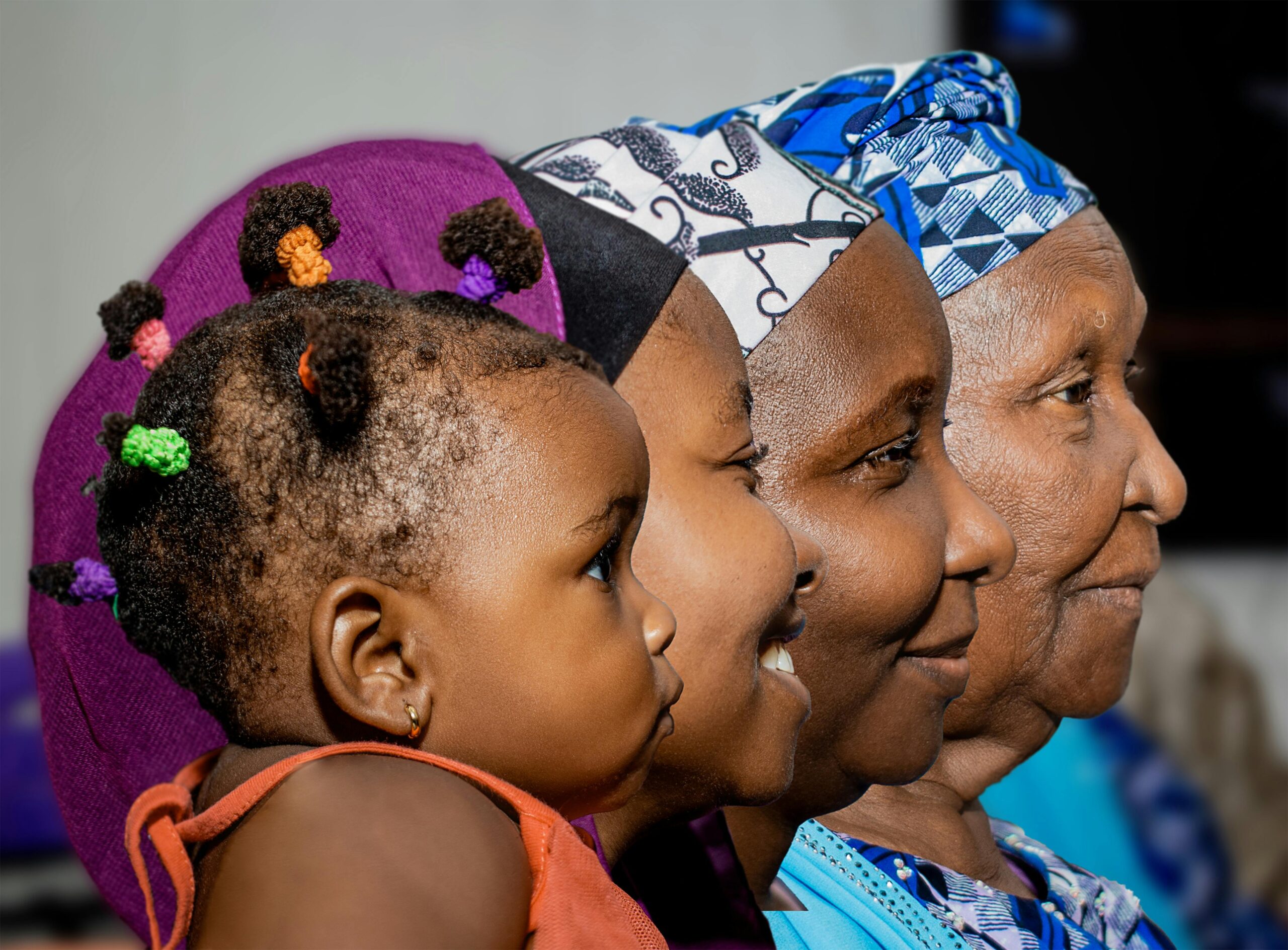
In many African households, health is not just personal—it is shared across generations.
Parents care for children.
Adults support aging parents.
Decisions made today affect the entire family tomorrow.
Yet, healthcare is often managed in a fragmented way:
- different doctors for each person
- no shared medical history
- no long-term plan
For families—especially those managing wealth, businesses, or demanding lifestyles—this approach can create risk. This is why more households are turning to whole-family and multigenerational health planning.
It is a simple idea: care for the entire family in a coordinated, long-term way.
Family-Based Healthcare Matters in Africa

In many African cultures, family plays a central role in daily life and decision-making. At the same time, health risks are changing.
Organizations like the WHO report that non-communicable diseases (NCDs) such as diabetes, hypertension, and heart disease are rising across the continent. These conditions:
- runs in families
- develop over time
- require long-term management
Without coordination, important patterns can be missed. Multigenerational health planning helps connect these dots.
1. Shared Medical History Improves Early Detection
Many serious health conditions have a genetic or family component. These include high blood pressure, diabetes, certain cancers, and heart disease. When family health information is tracked together:
- risks can be identified earlier
- screening can begin sooner
- preventive steps can be taken
Instead of reacting late, families can act early.
2. Better Coordination Across All Family Members
In many households, each person sees a different doctor. This often leads to:
- duplicated tests
- inconsistent advice
- missed connections between conditions
A coordinated approach allows:
- shared understanding of family risks
- aligned care plans
- smoother communication between providers
This reduces confusion and improves overall care quality.
3. Stronger Support for Aging Parents
Across Africa, many adults care for elderly parents while managing their own responsibilities. Older family members often have:
- multiple medical conditions
- complex medication needs
- frequent hospital visits
Without coordination, this can become overwhelming. A structured family health plan helps:
- track medications
- manage appointments
- ensure follow-up care is not missed
It also provides reassurance that someone is overseeing the full picture.
4. Healthier Outcomes for Children

Children benefit greatly from early and consistent healthcare planning. Family-based care allows:
- tracking of growth and development
- early identification of health concerns
- consistent vaccination and preventive care
It also helps doctors understand:
- genetic risks
- environmental factors
- family lifestyle habits
This creates a stronger foundation for lifelong health.
5. More Efficient Use of Time and Resources
Managing healthcare separately for each family member can be time-consuming. Appointments, tests, and follow-ups can quickly become difficult to track. With a coordinated approach:
- scheduling becomes easier
- unnecessary repeat visits are reduced
- care decisions are made more efficiently
For busy professionals, this saves time and reduces stress.
6. Better Management of Lifestyle and Preventive Health
Many modern health risks are linked to lifestyle factors such as diet, physical activity, stress, and sleep. These habits are often shared within families. Family-based planning makes it easier to:
- adopt healthier routines together
- monitor risk factors collectively
- support each other in making changes
This creates a healthier environment for everyone.
7. Long-Term Health Security for the Entire Family
Health planning is not just about today—it is about the future. For families managing businesses, wealth, or complex lives, health risks can affect productivity, financial stability, and long-term planning. A coordinated health approach provides:
- predictability
- early risk management
- clearer long-term strategies
This helps protect both health and stability over time.
Multigenerational Health Planning Is Becoming More Important
According to the World Bank, life expectancy is increasing in many African countries. This means more families are supporting children, parents, and grandparents. At the same time, urban lifestyles are increasing the risk of chronic disease.
This combination makes long-term, multigenerational health planning essential. Without it, families may face
- unexpected health crises
- uncoordinated care
- rising medical costs
How This Connects to Modern Healthcare Expectations
These needs are part of a broader shift in what Africa’s top 5% want from healthcare. Families are no longer satisfied with:
- isolated doctor visits
- reactive treatment
- fragmented care
They want continuity, coordination, and long-term oversight. Multigenerational health planning is a natural extension of these expectations. And equally important, this is where the ChextrMD model plays its role.
Practical Steps to Start Multigenerational Health Planning
You do not need a complex system to begin multigenerational health planning. Here are simple steps:
- Keep a shared family health record: Track major illnesses, medications, allergies, and family history.
- Choose a consistent doctor for coordination: Having one trusted physician helps connect all aspects of care.
- Schedule regular check-ups for all members: Prevention works best when it is consistent.
- Discuss family health risks openly: Understanding shared risks helps everyone prepare.
- Plan for aging care needs: Think early on how elderly family members will be supported.
When to Speak With Your Doctor
Consider discussing multigenerational health planning if:
- multiple family members have chronic conditions
- you care for elderly parents
- you want better preventive care for children
- healthcare feels disorganized
A doctor who understands your family history can help create a clear, long-term plan.
FAQs: Whole-Family and Multigenerational Health Planning in Africa
What is multigenerational health planning?
Multigenerational health planning is a structured, long-term approach to managing the health of an entire family across different age groups—from children to parents to grandparents.
Instead of treating each person’s health, this approach treats the family as a connected unit. It focuses on:
- shared medical history (genetics and inherited risks)
- lifestyle patterns within the household (diet, activity, stress)
- coordinated care across different doctors and specialists
- long-term prevention rather than short-term treatment
In many African settings, where families often live close together or remain deeply involved in each other’s lives, this approach is especially practical.
It allows healthcare decisions to be made with a full understanding of family dynamics and risks, rather than in isolation.
Is a multigenerational health planning approach only for wealthy families?
No, not at all. While high-income families may have access to more structured or premium healthcare services, the core principles of multigenerational health planning are simple and accessible:
- consistency (seeing the same doctor when possible)
- communication (sharing health information within the family)
- prevention (acting early before problems grow)
Any family can apply these ideas, regardless of income level. In many African communities, families already support each other in health-related decisions. Multigenerational health planning makes this support more organized and intentional.
For higher-income households, the difference is often in convenience and coordination, but the underlying benefits—better health awareness and earlier intervention—apply to everyone.
How do I start tracking family health history?
Starting a family health record does not need to be complicated. It can begin with a simple notebook or digital document. Focus on collecting key information, such as
- major illnesses (stroke, cancer, heart disease)
- chronic conditions (diabetes, hypertension, asthma)
- medications currently being used
- allergies or reactions to drugs
- causes of death in older relatives
- age at diagnosis for major conditions
It is helpful to gather this information by speaking with parents, grandparents, and other relatives. Once recorded:
- keep it updated regularly
- bring it to doctor visits
- share it with a trusted physician who can interpret the risks
This record becomes a valuable tool for early detection and better decision-making.
Why is family health history important?

Family health history provides important clues about health risks. Many conditions—such as high blood pressure, diabetes, and certain cancers—can run in families. Knowing this early allows doctors to:
- recommend earlier or more frequent screening
- monitor specific risk factors closely
- suggest preventive lifestyle changes
- detect conditions before they become serious
Without this information, healthcare tends to be reactive. With multigenerational health planning, care becomes proactive and preventive, significantly improving long-term outcomes.
Can one doctor manage care for an entire family?
One doctor may not provide all treatments for every condition, but they can serve as a central coordinator for the family’s healthcare. This means they can:
- understand the full family medical history
- guide decisions on when to see specialists
- coordinate care between different providers
- ensure consistency in treatment plans
- monitor long-term health trends across family members
For example:
- child may see a pediatrician
- parent may see a cardiologist
- elderly grandparent may see multiple specialists
A coordinating doctor helps ensure that all these pieces fit together into one clear plan. This approach reduces confusion, improves communication, and helps families feel more confident that their healthcare is well-managed.
How can African families manage healthcare when members live in different countries?
It is increasingly common for African families to live across multiple countries due to work, education, or migration. This can make healthcare coordination more difficult, especially when:
- medical records are stored in different locations
- doctors do not communicate across borders
- emergencies happen while traveling
To manage this effectively, families can:
- keep digital copies of medical records that can be shared when needed
- maintain a primary doctor in one location who understands the family history
- ensure regular health updates are communicated between family members
- plan for care when traveling or relocating
With better organization and communication, even geographically spread families can maintain continuity.
Health Is a Family Investment

Healthcare is often treated as an individual responsibility. But in reality, health is deeply connected across families.
Multigenerational health planning is not about complexity.
It is about connection, consistency, and foresight.
When families take a more coordinated approach to health, they are better prepared—not just for today, but for the years ahead. Over time, this approach creates something valuable:
A stable, predictable, and well-managed health journey for the entire family.