
For many patients across Africa, one of the biggest frustrations in healthcare is simple: You don’t always know who your doctor is.
You visit a clinic.
You see whoever is available.
You repeat your story again… and again.
For Africa’s top 5%—busy executives, entrepreneurs, and high-net-worth families—this model no longer works.
They are increasingly seeking direct access to a personal physician—someone who knows them, understands their history, and is available when needed. This shift is not just about convenience.
It is about better decisions, faster care, and long-term health security.
This shift reflects a broader change in what Africa’s top 5% want from healthcare, where patients are no longer satisfied with fragmented, impersonal systems.
Direct Access to a Personal Physician Matters
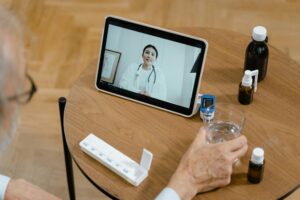
Healthcare works best when it is built on relationships, not transactions. Organizations such as the WHO emphasize that strong patient-doctor relationships improve communication, treatment compliance, and overall outcomes.
When patients have direct access to a personal physician, they experience:
- faster responses to health concerns
- more accurate diagnoses
- better coordination of care
- greater peace of mind
Instead of navigating the system alone, they have a trusted guide. At its core, direct physician access is part of a larger trend in what high-net-worth patients expect from healthcare today.
1. You Don’t Have to Repeat Your Medical History
One of the most common problems in healthcare is repetition. Every new doctor asks:
- What medications are you taking?
- What conditions do you have?
- What happened last time?
This repetition is not just frustrating—it increases the risk of missing important details. With a personal physician:
- your medical history is already known
- your records are consistent
- decisions are made with full context
This leads to faster, safer care.
2. Faster Decisions When It Matters Most
When a health issue arises, time matters. Without direct access, patients may:
- wait for appointments
- visit multiple clinics
- delay seeking care
With direct access to a physician:
- you can reach out quickly
- early guidance is provided
- next steps are clear
This does not replace proper medical evaluation, but it ensures that decisions are not delayed unnecessarily.
3. Better Coordination Across Specialists

Many patients—especially high-performing professionals—see multiple specialists. Without coordination, this can lead to:
- conflicting advice
- duplicated tests
- medication risks
A personal physician acts as a central coordinator, helping to:
- interpret specialist recommendations
- align treatment plans
- ensure nothing is overlooked
This creates a clear and consistent care pathway.
4. More Personalized Health Planning
Healthcare should not be the same for everyone. A personal physician can tailor care based on:
- lifestyle and work demands
- family history
- existing health risks
- long-term goals
This allows for:
- targeted preventive care
- smarter screening schedules
- proactive health management
Instead of reacting to illness, care becomes planned and strategic.
5. Greater Privacy and Discretion
In many African settings, privacy is a major concern. With fewer touchpoints and a trusted relationship, patients feel more confident that their health information is handled discreetly. Working with a personal physician helps reduce:
- unnecessary sharing of medical information
- exposure across multiple facilities
- risk of sensitive data being widely accessed
6. Easier Access During Travel or Busy Schedules
Many professionals in Africa travel frequently or manage demanding schedules. This can make healthcare difficult to maintain. With direct access to a personal physician:
- guidance can be provided even while traveling
- follow-ups can be coordinated efficiently
- care plans stay consistent across locations
This helps ensure that health does not get ignored due to a busy lifestyle.
7. Stronger Long-Term Health Outcomes
Over time, the benefits of a continuous doctor-patient relationship add up. Research consistently shows that continuity of care is linked to:
- better disease management
- fewer hospitalizations
- improved patient satisfaction
The World Bank has highlighted the importance of improving continuity and coordination in healthcare systems to achieve better outcomes in developing regions. For individuals, this means:
- fewer surprises
- earlier detection of problems
- more stable long-term health
What Direct Access Really Means (And What It Doesn’t)
It is important to understand what “direct access” means. It means:
- having a known, trusted physician
- being able to communicate when needed
- receiving guidance and coordination
A personal physician enhances care—it does not replace the broader healthcare system. It does NOT mean:
- replacing proper hospital care
- skipping necessary medical evaluations
- self-managing serious conditions
Challenges in African Healthcare Systems
In many African countries, healthcare systems are still developing. Common challenges include:
- limited number of specialists
- fragmented care between facilities
- lack of shared medical records
- high patient volumes
These challenges make it harder for patients to experience continuity, speed, and personalization. This is why direct physician access is becoming more valuable—it helps bridge these gaps.
How to Get Access to a Personal Physician
If you want more consistent and reliable healthcare, consider these steps:
- Choose a doctor you can build a long-term relationship with. Consistency is key.
- Ask about availability and communication. Understand how and when you can reach your doctor.
- Keep your medical records organized. This helps your physician provide better guidance.
- Prioritize regular check-ins. Don’t wait until something goes wrong.
- Avoid switching providers too often. Continuity improves care quality over time.
When to Speak With Your Doctor
If you find yourself:
- repeating your history often
- struggling to coordinate care
- experiencing delays in decisions
- lacking clarity about your health plan
It may be time to speak with your doctor about more consistent and direct access. A strong, ongoing relationship can significantly impact how your healthcare is managed. The ChextrMD model can help you achieve this.
FAQs: Direct Access to a Personal Physician in Africa
Is it realistic to have direct access to a personal physician in African cities?
Yes, especially in major cities like Johannesburg, Lagos, Nairobi, and Accra. While public systems may be overstretched, many private healthcare providers allow patients to build ongoing relationships with a specific doctor.
Patients who actively choose one doctor and maintain regular contact are more likely to experience consistent, reliable access. However, true “direct access” depends on:
- how busy the doctor is
- how the clinic is structured
- whether continuity of care is prioritized
Why is continuity of care still a challenge in many African healthcare systems?
Having a consistent doctor helps reduce fragmentation and improve the overall healthcare experience. These challenges often force patients to manage their own care. Continuity of care can be difficult due to:
- high patient volumes in both public and private facilities
- shortage of specialists in some regions
- lack of shared digital medical records
- patients visiting multiple clinics without coordination
Does direct access to a physician replace hospital care?
No, it does not replace hospital care. Instead, it strengthens and improves how hospital care is used. Think of it this way:
- Hospitals are designed for acute care—emergencies, surgeries, complex diagnostics, and inpatient treatment.
- A personal physician provides ongoing guidance, coordination, and continuity before, during, and after hospital events.
In many African healthcare settings, patients often have to navigate hospitals on their own. This can lead to confusion about which specialist to see, repeated tests across different facilities, and unclear follow-up plans after discharge.
With direct access to a personal physician, this process becomes more organized:
- Before hospital care: the physician helps decide if hospital treatment is necessary and where to go
- During hospital care: they can help interpret information, communicate with specialists, and ensure decisions are aligned
- After discharge: they oversee recovery, medications, and follow-up care
This is especially important in environments where healthcare systems are fragmented. A trusted physician acts as a central point of oversight, making hospital care safer, clearer, and more efficient.
Is direct access only for wealthy individuals?
No, the concept is not limited to wealthy individuals—but access to highly personalized, always-available care is more common among high-income groups. The key idea here is continuity of care, which benefits everyone regardless of income level.
Anyone can improve their healthcare experience by:
- seeing the same doctor consistently
- building a long-term relationship with a provider
- keeping personal medical records organized
- following up regularly instead of only seeking care during illness
However, for Africa’s top 5%, these principles are often delivered in a more structured way because they can afford services that provide:
- faster access
- more physician time
- proactive health monitoring
- coordinated care across multiple providers
How do I know if I need a personal physician?
A simple way to think about it is this: if your healthcare feels disorganized, delayed, or repetitive, you may benefit from having a personal physician. In many African settings, patients often move between different clinics, hospitals, and specialists.
While each provider may offer good care individually, the overall experience can feel fragmented.
A simple rule to remember: If your healthcare feels like a series of disconnected visits, you may benefit from a continuous relationship with one physician.
Can a personal physician help navigate both public and private healthcare systems?
Yes. In many African countries, patients use a mix of public and private services. A personal physician can help:
- decide where to seek care based on urgency and quality
- coordinate referrals to trusted specialists
- interpret results from different facilities
- ensure continuity across systems
This guidance is especially valuable in environments where healthcare pathways are not always straightforward.
What role does location play in accessing a personal physician in Africa?
Location matters a lot. In smaller towns or rural areas, access may be limited, and patients may need to travel for specialized care. Patients in large cities typically have:
- more specialists available
- better private healthcare infrastructure
- more options for consistent care
Even so, maintaining direct access with a trusted doctor—whether locally or in a nearby city—can still improve coordination and decision-making over time.
How do cultural factors in Africa affect relationships with personal physicians?
In many African cultures, trust and personal relationships are highly valued. This can positively influence healthcare when:
- patients feel comfortable sharing information
- doctors understand family dynamics and cultural beliefs
- communication is respectful and clear
However, it can also lead to challenges if patients rely on informal advice or delay care. A strong, trusted physician relationship helps balance cultural factors with safe, evidence-based medical guidance.

Healthcare Works Best When It’s Personal
Across Africa, healthcare is evolving. Patients—especially those managing complex lives—are looking for something more reliable. They want clarity, consistency, and trusted relationships. Direct access to a personal physician delivers exactly that.
Direct access turns healthcare from a fragmented experience into a coordinated, continuous journey. 👩⚕️🤝