Busy people don’t get sick at convenient times. Meetings, flights, family, and travel make scheduling care hard.
Continuous health monitoring (CHM)—the smart use of wearables, apps, and clinician collaboration—helps you spot problems early, stay productive, and protect your long-term health without turning your life into a second job.
Why This Matters Now (fast, powerful case)
You may think, “I’m fine—I’m busy.”
But small changes matter. Heart rhythm shifts, sleep loss, rising blood pressure, creeping blood sugar changes—these start quietly.
Continuous health monitoring captures signals in the background and alerts your doctor to act earlier. For busy professionals, CHM reduces guesswork and replaces spikes of worry with calm, evidence-based action.
What is Continuous Health Monitoring?
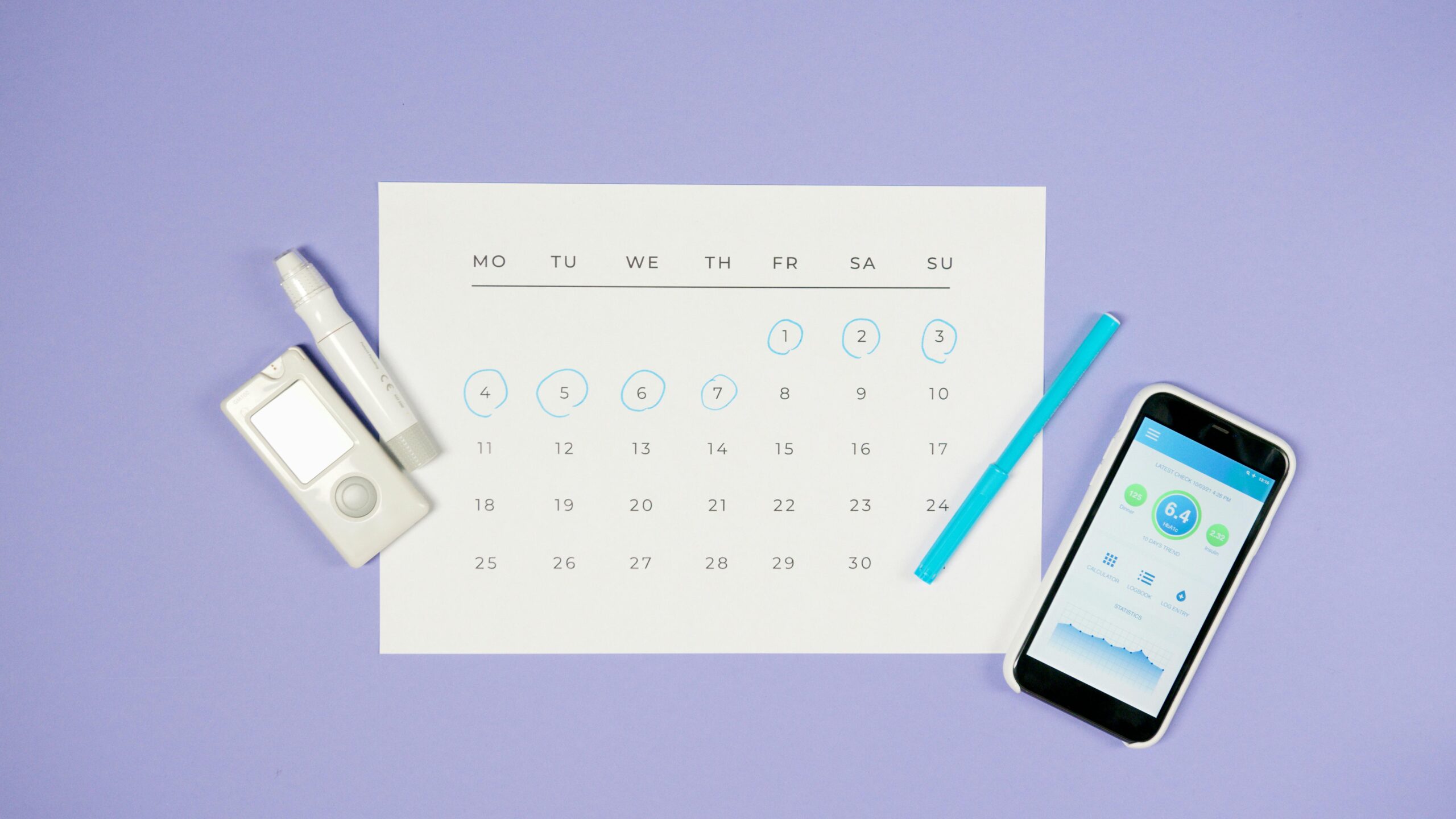
Continuous Health Monitoring (CHM) uses sensors, mobile apps, and secure platforms to collect health data over time. Commonly measured signals: heart rate and rhythm, physical activity, sleep patterns, blood oxygen, blood glucose (with CGMs), weight trends, and blood pressure.
CHM ranges from consumer-grade wearables that track steps and sleep to medically validated devices used with clinician oversight.
Types of CHM Systems
- Wearables and smartwatches — wrist-worn devices that capture heart rate, SpO₂, activity, and sleep. Some detect irregular rhythms.
- Continuous glucose monitors (CGMs) — small sensors for people with diabetes or metabolic concerns.
- Home medical devices — blood pressure cuffs, scales, pulse oximeters, single-lead ECG patches.
- Passive sensors — phone-based step and mobility tracking, mattress sensors for sleep, and smart-home integrations.
- Integrated platforms — software that aggregates device data and sends curated summaries to clinicians.
CHM Core Benefits for Busy People
Busy people gain clear advantages from well-designed CHM:
- Early detection and fewer surprises. Trends are easier to act on than single readings. Early intervention can prevent a minor health issue from becoming a crisis.
- Less time in clinics. Remote monitoring can reduce unnecessary clinic visits and streamline follow-ups—saving hours and travel costs.
- Better productivity and peace of mind. When health is passively tracked, you worry less and focus more on work and family.
What the Evidence Says
Research shows CHM and remote patient monitoring (RPM) are feasible and can reduce hospital visits for selected conditions when integrated into care.
Evidence is strongest for chronic conditions such as heart failure, diabetes, and post‑surgical recovery when devices are paired with a clinical response plan. That said—results vary by technology, clinical workflow, and the population monitored.
Common Use-Cases for Busy Professionals
- Cardiovascular risk management. Track resting heart rate, nocturnal heart rate, and irregular rhythms; share summaries with your cardiologist.
- Metabolic health and weight management. Use CGMs selectively for guided diet, or track activity + sleep to improve metabolic resilience.
- Stress, sleep, and recovery. Sleep tracking and heart-rate variability (HRV) help identify burnout, overtraining, and poor recovery.
- Postoperative recovery and chronic care. Home monitoring after surgery or for chronic conditions reduces follow-up visits and anxiety.
How CHM Works With Your Doctor: Continuity-of-Care Principle
CHM is most beneficial when it complements an existing relationship with a clinician who is knowledgeable of your history. Your doctor interprets trends, adjusts medications, and decides when an in-person check is needed.
The clinician-in-the-loop model avoids random advice from anonymous apps and keeps decisions safe and personalized. Here’s a practical workflow:

- Select the right device(s) together with your doctor.
- Agree on measurement goals (what to track, thresholds, alert rules).
- Set data review cadence — automatic summaries weekly, clinician alerts for red flags.
- Short action plan — what the clinician will do if thresholds are crossed.
- Regular review meetings — brief virtual or in-person check-ins.
Choosing the Right Device: A Decision Checklist
- Purpose-first: What are you trying to solve? Rhythm detection? Blood pressure control? Sleep quality?
- Validation: Prefer devices with published validation studies or medical certification for clinical use.
- Battery life and convenience: Busy people’s devices should last without frequent charging.
- Integration: Can the device export data to your clinician platform or produce simple PDF reports?
- Privacy and security: Who owns the data? How is it protected?
- Cost and insurance coverage: Is it a one-off purchase, subscription, or reimbursable?
Device Reviews: Practical Options for Busy People
Below are three widely used device categories reviewed from a busy‑professional perspective. These are not endorsements. Always confirm suitability and validation with your clinician before using for medical decisions.
1. Smartwatch with Heart Rhythm Features
Best for: Busy professionals who want passive monitoring with minimal effort.
What it does well:
- Tracks resting heart rate, activity, sleep, and recovery trends.
- Some models can record single‑lead ECGs and flag irregular rhythms.
- Easy to wear daily and integrates well with smartphones.
Limitations:
- Not all rhythm alerts are clinically actionable.
- Battery life often requires daily or near‑daily charging.
- Accuracy can vary with movement, skin tone, and fit.
Who should consider it: People with busy schedules who want early awareness and trend tracking, especially when paired with clinician review of summarized data.
2. Home Blood Pressure Monitor (Upper‑Arm Cuff)
Best for: People managing high blood pressure or cardiovascular risk.
What it does well:
- Provides reliable readings when used correctly.
- Affordable and widely available, including in many African markets.
- Easy to share readings or trend reports with a clinician.
Limitations:
- Requires correct positioning and technique.
- Does not provide continuous readings unless used regularly.
- Some low‑cost models lack validation.
Who should consider it: Anyone with diagnosed or borderline high blood pressure, or those advised by their doctor to monitor at home.
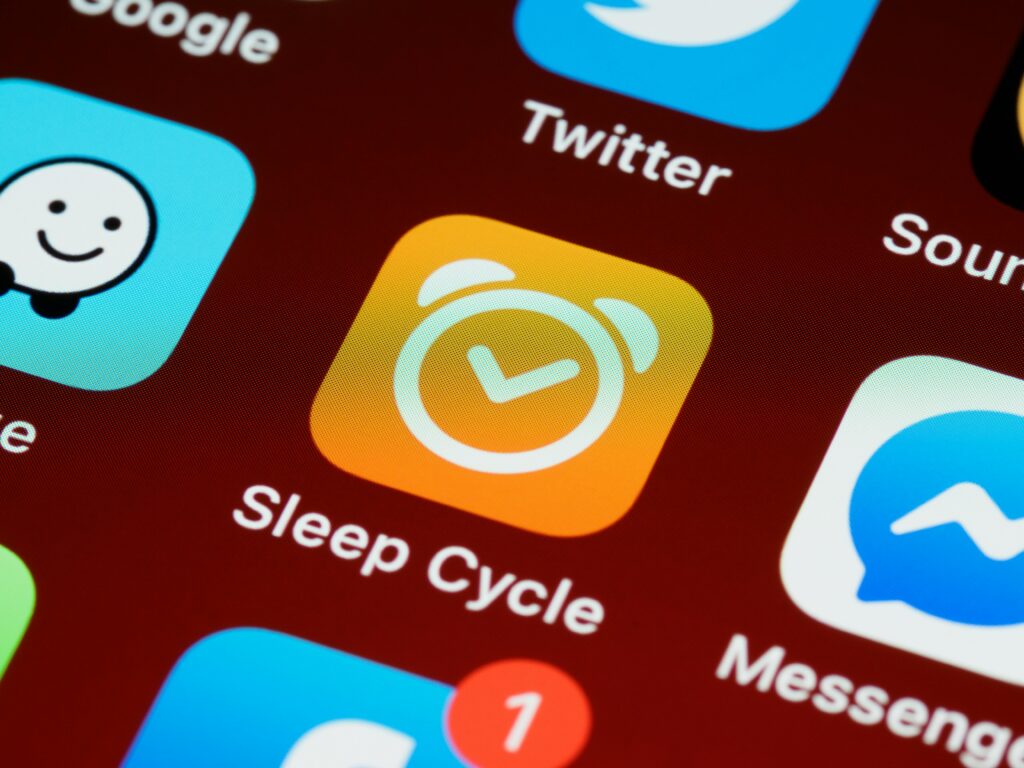
3. Sleep and Recovery Tracker (Wearable or Bed‑Based Sensor)
Best for: High‑stressed professionals struggling with fatigue, burnout, or poor sleep.
What it does well:
- Tracks sleep duration, timing, and regularity.
- Highlights patterns linked to late nights, travel, or stress.
- Useful for behavior change when reviewed weekly rather than nightly.
Limitations:
- Sleep stages are estimates, not direct measurements.
- Cause anxiety if users obsess over nightly scores.
- Less useful without clear goals or clinician guidance.
Who should consider it: People focused on improving energy, focus, and recovery— especially those with irregular schedules or frequent travel.
Setting Realistic Expectations
- CHM augments care. It does not replace clinical judgment.
- Expect false positives and noisy data. Not every blip warrants a panic.
- The value comes from trends and coordinated clinical response, not raw numbers alone.
Data Privacy, Workplace Risk, and Ethical Issues
Collecting continuous data raises privacy and legal questions. Employers or insurers gaining access to biometric data can create risk. Busy professionals should:
- Keep personal health data separate from work accounts.
- Understand device vendor privacy policies and data sharing settings.
- Discuss potential workplace implications before sharing data with employers or occupational health.
Governance frameworks and laws vary by country—it’s prudent to consult a clinician or legal advisor if you’re asked to share biometric data as part of work.
Cost, Access, and Equity — the African Context
In many African settings, mobile phone penetration and the growth of mHealth offer a unique chance to scale CHM. However, access gaps remain: not everyone can afford premium wearables, and infrastructure—a reliable internet, device servicing, and clinician integration—can limit usability.
Solutions that work locally lean on:
- Mobile-first apps and SMS-based alerts for low-bandwidth areas.
- Community health workers and nurse-led monitoring programs using affordable, validated devices.
- Public–private partnerships to expand device access for chronic disease programs.
When designing CHM programs in African settings, emphasize culturally appropriate messaging, low-bandwidth data transfer, and clinic-ready summaries for busy physicians.
Implementation Strategy for Busy People: A 30‑Day Plan
Week 0: Plan and prepare (days 1–3)
- Discuss goals with your primary clinician.
- Pick 1–2 metrics to track for the next month (e.g., resting HR and sleep, or BP and weight).
- Choose validated devices that sync to a single app or export easy reports.
Week 1: Baseline and habit setup (days 4–10)
- Wear devices consistently; let them collect baseline data for 7 days.
- Turn on only essential notifications to avoid alert fatigue.
Week 2: Reflection and small changes (days 11–17)
- Review the weekly summary with your clinician or health coach.
- Make 1 small behavior change (earlier bedtime, 15‑minute daily walks).
Week 3: Adjust and automate (days 18–24)
- Tweak alerts and thresholds with your clinician.
- Automate data exports to your clinician portal.
Week 4: Evaluate and plan next steps (days 25–30)
- Compare baseline data with the current trends.
- Decide whether to continue the device, upgrade to a clinical-grade solution, or expand monitoring.
Practical Tips for Busy, High-Income Professionals
- Make monitoring invisible: choose a comfortable device. If it’s annoying, you’ll stop wearing it.
- Limit notifications: turn off non-actionable alerts to avoid distraction.
- Use summaries, not streams: ask your clinician for weekly or monthly trend reports rather than minute-by-minute updates.
- Protect your schedule: set a 15-minute monthly health review—short, calendarized, and non-negotiable.
- Delegate admin: use a health concierge (or a clinic nurse) to manage data uploads, device replacements, and insurance claims.
Pitfalls to Avoid
- Chasing metrics without a plan. Metrics are tools, not goals.
- Over-sharing with employers or public platforms.
- Relying on unvalidated devices for clinical decisions.
- Ignoring mental health impacts of obsessive tracking—if data causes anxiety, pause and review the plan with your clinician.
Case Vignette: A Busy Executive’s Story
Alex, a 47-year-old executive, had intermittent palpitations. Travel made clinic visits hard. With his cardiologist, Alex used a validated smartwatch with single-lead ECG capability plus a home BP cuff for 3 months. Alerts for irregular rhythm were set only for symptomatic events.
The clinician reviewed weekly summaries and identified occasional atrial fibrillation. After a targeted treatment plan, Alex avoided hospital visits and continued his job without long clinic stays. The key? A clinician-in-the-loop plan, validated tools, and clear action rules.
How to Work With Your Clinician: Sample Conversation Script
“Doctor, I travel a lot and want to monitor [resting heart rate/BP/sleep]. I’d like your help picking a device and setting up weekly trend summaries. If certain thresholds are hit, please notify your nurse or me so we can act.”
Ask about device validation, the data review cadence, and how alerts will be handled outside clinic hours.
Technology and Integration Checklist for Clinicians
- Device validation and CE/FDA status, where relevant.
- Secure data pipeline (end-to-end encryption, HIPAA/GDPR-compliant where applicable).
- Summarized dashboards that highlight trends and red flags.
- A triage protocol: who reviews alerts, response times, and documentation processes.
FAQs
Q1: Will continuous monitoring save me money?
A: For many busy people, it can, but it depends on how monitoring is used. Continuous monitoring may reduce unnecessary clinic visits, emergency visits, and late-stage complications by catching problems earlier. That said, devices, apps, and subscriptions have upfront and ongoing costs.
The strongest cost benefits are seen when monitoring is part of an organized care plan for chronic conditions such as high blood pressure, heart disease, or diabetes, where avoiding hospitalizations and complications has a clear financial impact.
Think of it as an investment in prevention rather than a guaranteed short-term savings tool.
Q2: Will my employer see my health data?
A: No — not unless you explicitly allow it. Your health data belongs to you. Problems arise when people use work-managed phones, emails, or wellness programs that include biometric tracking.
To stay safe, keep personal health apps on your personal devices, review privacy and data-sharing settings carefully, and ask your HR or occupational health department about their policies before enrolling in employer-sponsored monitoring programs.
Q3: Are consumer wearables accurate enough?
A: Consumer wearables are getting better every year, especially for tracking trends like resting heart rate, step counts, and sleep duration. However, accuracy can vary between brands and even between users. For lifestyle awareness, many consumer devices are sufficient.
When data guide medical decisions — such as detecting heart rhythm problems or managing blood pressure — clinically validated or medical-grade devices should be used, ideally under clinician guidance.
Q4: How often should my doctor review data?
A: Review frequency depends on your health risk and the goal of monitoring. Low-risk users who track wellness metrics may only need monthly or quarterly reviews. People with chronic conditions or recent medical events may need weekly, daily, or event-based reviews.
The most important point is having a clear agreement in advance: who conduct reviews, how quickly alerts are handled, and what actions will follow.
Q5: Can monitoring cause anxiety or stress?
A: Yes, it can. Seeing constant numbers can lead to worry or obsessive checking, especially when people don’t understand normal variation. If monitoring increases stress, it’s a sign to simplify. Reducing alerts, focusing on weekly summaries instead of real-time data, or even pausing monitoring altogether can help.
Always discuss these feelings with your clinician so the monitoring plan supports your mental well-being, without harming yourself.
Q6: Is CHM useful if I travel often or work irregular hours?
A: Yes — this is one of the strongest use cases. For people who travel frequently or work long, irregular hours, continuous monitoring provides consistency when routines are unpredictable. Devices collect data in the background, regardless of time zones or schedules.
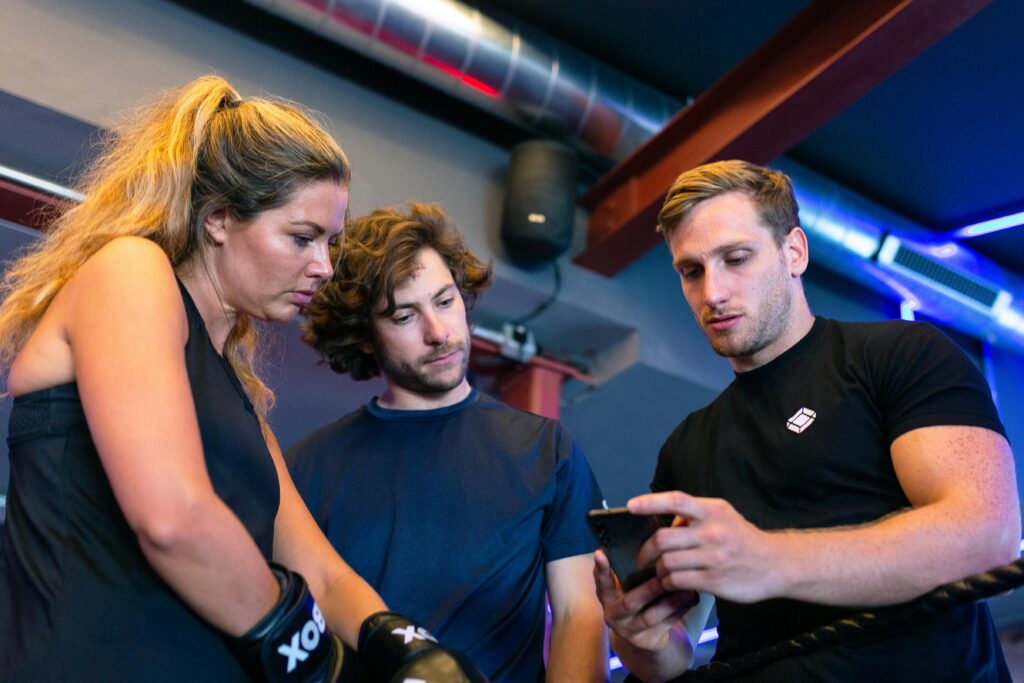
What matters most is setting flexible review timelines with your clinician, focusing on trends rather than daily perfection.
Q7: Do I need to monitor everything at once to enjoy the benefits?
A: No. In fact, monitoring too many metrics at once often reduces benefit. Most people feel better by starting with just one or two meaningful measures, such as blood pressure and sleep, or resting heart rate and activity. Once habits are stable and the data is useful, additional metrics can be added gradually if needed.
Q8: Is continuous monitoring safe for older adults or people with chronic conditions?
A: It can be helpful when done correctly. Older adults and people with chronic conditions often benefit from early detection of changes. However, monitoring should always be supervised by a clinician.
Devices should be easy to use, alerts should be carefully set to avoid alarm fatigue, and a clear response plan must be in place so data leads to action, not confusion.
Q9: What unique challenges does Africa face with CHM?
A: In many parts of Africa, adopting CHM and digital health tools can be harder than in wealthier regions. Rural and underserved areas often lack reliable electricity and internet connectivity, which makes real-time data transfer and device syncing difficult.
High costs for devices, mobile data, and infrastructure also limit who can use and benefit from these technologies.
Socioeconomic and gender disparities, digital literacy gaps, and uneven regulatory frameworks further restrict access. This means that solutions often need to be low-bandwidth, offline-capable, and tailored to local contexts to be effective.
Q10: How does connectivity and power access affect monitoring in Africa?
A: Reliable internet and stable electricity are essential for most CHM devices to sync and transmit data. However, many African regions, especially rural and remote areas, experience irregular power supply and patchy network coverage, which can disrupt data flow and limit information from reaching clinicians.
This often requires creative alternatives—like SMS-based health updates or using solar chargers to keep devices operational—so that monitoring remains useful even when infrastructure is limited.
Make the Smart Move–A Calm Path to Proactive Health
Continuous health monitoring is not a magic bullet. However, when it’s chosen carefully and used within a clinician-guided plan, it offers busy people an early warning system without daily health management chores.
The practical approach: pick validated tools, set clear goals with your doctor, simplify notifications, and focus on trends. Do this, and you get more time, less worry, and better health outcomes.
Talk to your personal doctor about a 30‑day CHM pilot that fits your schedule — small, measurable steps lead to the biggest gains.