
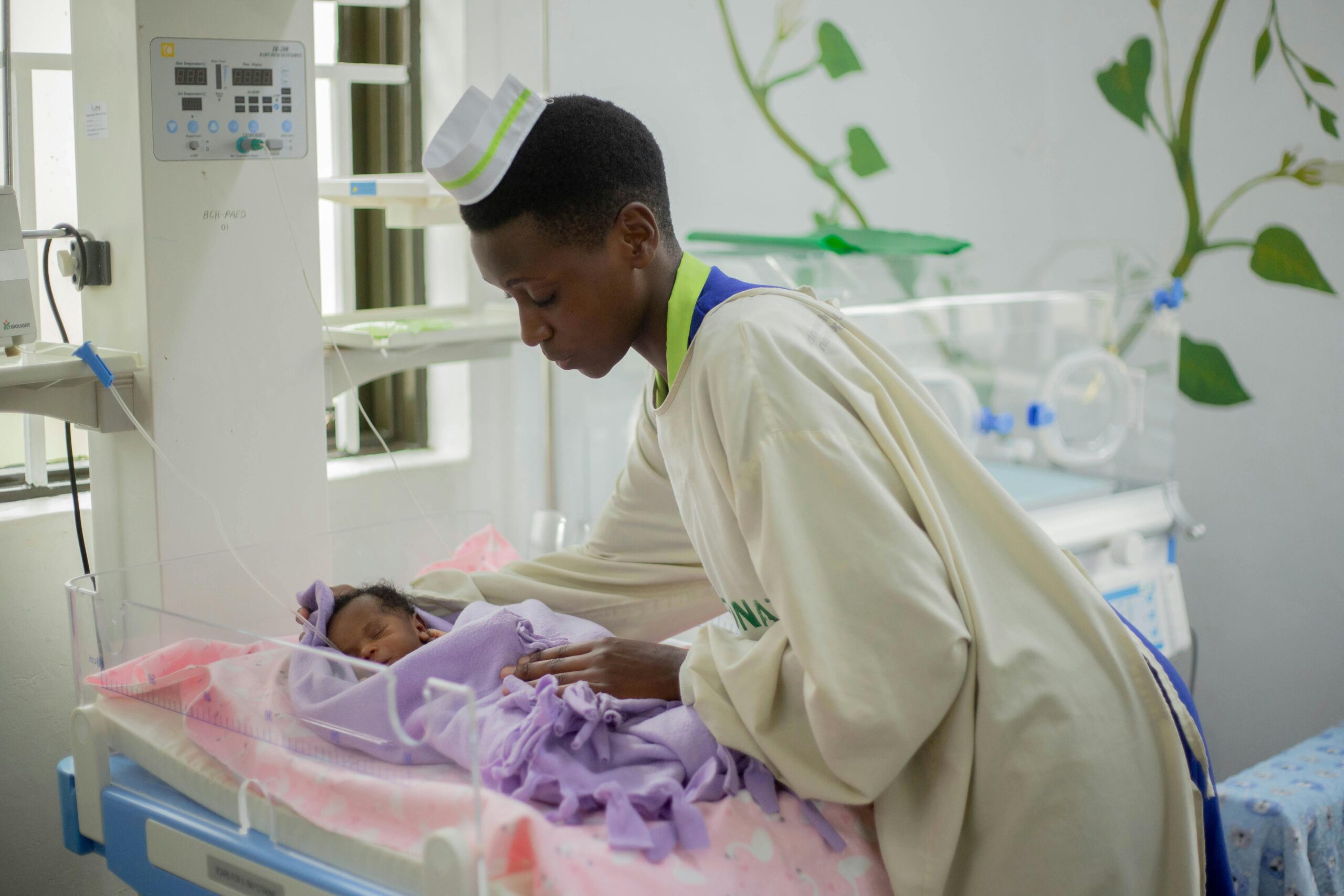
Africa’s healthcare landscape is evolving quickly. Across the continent, especially in South Africa, Rwanda, a growing number of private hospitals are raising the bar for quality, safety, and patient-centered care.
Modern buildings, skilled specialists, advanced diagnostic tools, and organized care systems are helping many hospitals deliver services that were once difficult to access within Africa.
For families, professionals, and patients seeking trusted medical care, this shift is encouraging. Instead of traveling across the world for treatment, many people can now find high-quality healthcare much closer to home.
This article explores several standout hospitals across Southern Africa, East Africa, and emerging healthcare hubs. These facilities represent the growing network of institutions that are helping reshape healthcare across the continent.
This post supports our cluster article Mapping Top-Tier Hospitals in Africa: 5 Regional Healthcare Hubs You Should Know, which examines how cities in Africa are building strong healthcare hubs.
Certain Hospitals Stand Out in Africa
Not every hospital becomes a regional leader. The hospitals that stand out usually share several key characteristics.
- experienced physicians and specialists
- modern diagnostic and surgical equipment
- well-trained nursing staff
- organized patient systems and records
- strong safety and infection-control practices
- the ability to provide long-term patient monitoring
Equally important is the culture of care. Leading hospitals prioritize clear communication, respectful treatment of patients, and systems that support long-term doctor–patient relationships.
These elements combine to create hospitals that patients trust not just for emergencies but for ongoing healthcare guidance.
South Africa: One of Africa’s Most Advanced Private Healthcare Systems

South Africa has one of the most developed private healthcare sectors in Africa. Several large hospital networks operate modern facilities across major cities and smaller urban centers.
Cities such as Johannesburg, Cape Town, and Durban are home to many of these facilities. Among the most recognized providers are Netcare, Mediclinic, and Life Healthcare. These hospital groups operate facilities that often include:
- specialized surgical units
- cardiac care centers
- oncology departments
- maternity and neonatal services
- rehabilitation and physiotherapy programs
One reason South Africa’s hospitals stand out is the depth of specialist expertise. Many doctors complete advanced training locally or internationally before practicing in these institutions.
This is why patients from across Africa often travel to South Africa for complex procedures, specialized diagnostics, and long-term treatment planning.
Rwanda: A Rising Healthcare Hub in East Africa
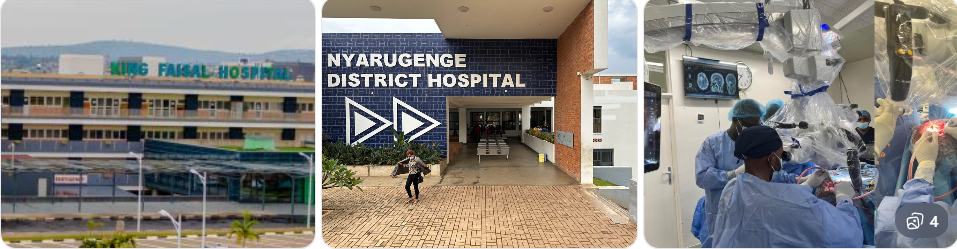
Over the past decade, Rwanda has made remarkable progress in strengthening its healthcare system. The country has invested in infrastructure, medical education, and hospital modernization.
One notable institution is King Faisal Hospital Rwanda, located in Kigali. This hospital has developed a strong reputation for providing specialized medical services, such as
- cardiology services
- diagnostic imaging
- internal medicine
- surgical procedures
- critical care support
Rwanda’s healthcare strategy has focused on improving both public and private medical institutions. As a result, Kigali is gradually becoming a regional healthcare destination for patients from nearby countries.
The country’s commitment to organized healthcare systems and medical training is helping strengthen its reputation in the region.
Kenya: East Africa’s Established Medical Center
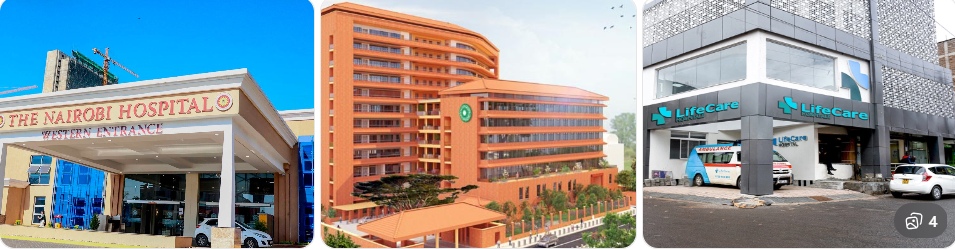
Kenya has long been one of East Africa’s strongest healthcare hubs. Its capital city, Nairobi, hosts several respected private hospitals that attract patients from across the region.
Two well-known institutions include The Nairobi Hospital and Aga Khan University Hospital Nairobi. These hospitals are recognized for:
- advanced diagnostic services
- specialist medical departments
- surgical expertise
- comprehensive maternity services
- structured patient care systems
The presence of medical universities and teaching hospitals in Nairobi also supports continuous professional training for healthcare providers. This environment helps maintain high standards while encouraging innovation and research in healthcare delivery.
Emerging Centers Across Africa

Beyond South Africa, Rwanda, and Kenya, many other African cities are developing strong private healthcare sectors. Cities such as Accra, Lagos, Cairo, and Abidjan are seeing increased investment in modern hospitals and specialized clinics.
These emerging centers often focus on services such as
- advanced diagnostics
- maternal and child health
- cardiology services
- orthopedic care
- general surgery
As infrastructure improves and more specialists train locally, these cities are gradually becoming regional healthcare destinations. This development helps reduce the need for international travel while strengthening access to healthcare across Africa.
What Patients Should Look for When Choosing a Hospital
Selecting a hospital is an important decision. Several factors can help patients identify facilities that maintain strong standards.
- Government licensing: Hospitals should be officially licensed and regulated by national health authorities.
- Experienced specialists: Facilities that employ trained specialists across multiple medical fields often provide more comprehensive care.
- Modern diagnostic capabilities: Reliable laboratories, imaging equipment, and monitoring systems improve diagnostic accuracy.
- Clear communication: Hospitals that prioritize patient communication help individuals better understand their treatment and care plans.
- Support for long-term care: The strongest hospitals support continuity of care, allowing patients to build trusted relationships with physicians who follow their health over time.
ChextrMD’s Continuity of Care Still Matters Most
Even as modern hospitals expand across Africa, the most important element of healthcare remains the relationship between patients and their doctors. Hospitals provide infrastructure and technology, but physicians provide guidance.
This is where the ChextrMD model comes in. When doctors know a patient’s history, lifestyle, and long-term health trends, they can provide safer and more consistent care. Continuity of care allows physicians to:
- monitor health changes over time
- identify risks early
- guide patients through major life events such as pregnancy or aging
- support long-term management of chronic conditions
This ongoing relationship often brings something many patients value deeply—peace of mind.
FAQs About Standout Hospitals in South Africa and Rwanda
👩🏻⚕️ Why are hospitals in South Africa often considered among the most advanced in Africa?
South Africa has one of the most developed healthcare systems on the continent, particularly in the private sector. Over many years, the country has invested in modern hospital infrastructure, specialist training, and advanced medical technology.
Large private hospital groups operate well-equipped facilities that offer a wide range of services, including specialized surgery, diagnostic imaging, maternity care, and rehabilitation programs.
Many doctors working in these hospitals receive advanced training locally or internationally, which strengthens the level of expertise available.
Because of this combination of modern equipment, skilled specialists, and organized healthcare systems, South Africa has become a major destination for patients from across Africa seeking specialized care.
🚑 What makes Rwanda’s hospitals stand out in East Africa?
Rwanda has made remarkable progress in strengthening its healthcare system over the past decade.
The government has prioritized healthcare development by investing in hospital infrastructure, improving medical training, and encouraging partnerships with international healthcare institutions.
Hospitals in cities like Kigali have expanded their capabilities in diagnostics, cardiology, internal medicine, and surgical services. Some facilities are also introducing modern patient record systems and improved care coordination.
These efforts have helped Rwanda build a reputation as an emerging healthcare hub in East Africa, with hospitals that focus on organized care systems, patient safety, and continuous improvement.
👨🏿🦽➡️ Do patients from other countries visit hospitals in South Africa or Rwanda?
Yes, many patients travel to these countries for medical care. South Africa has long attracted patients from neighboring countries because of its well-established hospital networks and specialist expertise.
Rwanda is also gradually becoming a regional healthcare destination, particularly for patients in East and Central Africa looking for reliable diagnostic services and specialist consultations.
Traveling within Africa enables patients to be close to family, maintain cultural familiarity, and return for follow-up care when needed.
👨🔬 Are private hospitals in South Africa and Rwanda accessible to international patients?
Many private hospitals in both countries are equipped to serve international patients. They often provide structured admission systems, organized medical records, and staff who are experienced in assisting patients traveling from other regions.
However, access and costs can vary by hospital, the type of treatment required, and whether a patient has health insurance coverage.
It is usually helpful for patients to contact hospitals in advance to understand their services, estimated costs, and admission procedures.
🗺 How can patients choose between hospitals in South Africa and Rwanda?
The best choice depends on several factors, including the type of medical service, the availability of specialists, travel distance, and personal preferences. South Africa may offer a wider range of highly specialized services due to its larger healthcare system.
Rwanda, on the other hand, has been developing modern healthcare facilities that are increasingly attractive for patients within East and Central Africa.
Regardless of location, patients should look for hospitals that maintain strong safety standards, employ licensed specialists, and provide clear communication and long-term continuity of care.
Africa’s Rising Healthcare Future: The Growing Network of Leading Hospitals
Africa’s healthcare story is changing. Across the continent, standout hospitals in countries such as South Africa, Rwanda, Kenya, and beyond are helping build stronger healthcare systems for millions of people.
These institutions combine modern facilities with skilled medical professionals and organized care systems. Together, they create environments where patients can receive high-quality care without traveling far from home.
As investment continues and more specialists train across the continent, Africa’s network of leading hospitals will likely grow.
For patients and families, this means greater access to trusted medical care—and stronger partnerships with physicians who can guide their health journey for years to come. 👨🦽➡️🛌🏻