

Africa’s healthcare system is changing fast. One of the most exciting developments is the rise of top-tier private hospitals across the continent. These hospitals bring modern equipment, experienced specialists, safer systems, and personalized patient care.
For many families, this shift means something very important: they no longer need to travel across the world to find high-quality medical care. In many cases, excellent care can now be closer to home.
This article is part of our broader guide on 7 Powerful Forces Driving the Rise of World-Class Private Hospitals in Africa. In this post, we explored the powerful forces driving the growth of private healthcare across the continent.
Here, we take the next step by mapping where many of these leading hospitals are emerging by region.
Understanding these regional healthcare hubs can help patients make better decisions about where to seek specialized care, long-term monitoring, and trusted medical guidance from doctors who know their history.
Regional Healthcare Hubs Matter
Healthcare does not exist in isolation. Hospitals grow where certain conditions support them. These include:
- trained medical specialists
- strong medical schools
- government support for healthcare investment
- stable infrastructure and transportation
- growing middle-class populations
- access to modern medical technology
When these elements come together in one place, regional healthcare hubs form. Over time, these become trusted destinations for specialized care. These hubs attract:
- skilled doctors
- modern hospitals
- research partnerships
- medical training programs
- patients from surrounding countries
1. North Africa: Advanced Medical Infrastructure and Specialist Care
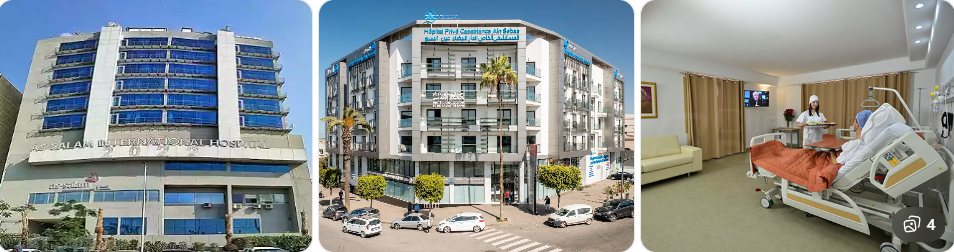
North Africa has long been one of the continent’s strongest healthcare regions. Countries like Egypt, Morocco, and Tunisia have invested heavily in medical infrastructure for decades.
Major cities such as Cairo, Casablanca, and Tunis host many private hospitals with advanced capabilities. These hospitals often specialize in:
- cardiac care
- oncology services
- orthopedic surgery
- fertility medicine
- complex diagnostics
North Africa also benefits from strong medical education systems. Many physicians train locally and then gain international experience before returning to practice.
Because of these factors, North Africa has become a destination for regional medical travel, particularly for patients from nearby countries in the Middle East and sub-Saharan Africa.
2. West Africa: Rapid Expansion of Private Healthcare

West Africa is one of the fastest-growing healthcare markets on the continent. Cities such as Lagos, Accra, and Abidjan have seen a wave of new private hospitals in recent years. This growth is driven by several factors:
- expanding middle-class populations
- growing demand for specialist services
- increasing health insurance coverage
- private investment in healthcare infrastructure
West Africa’s healthcare sector is also benefiting from partnerships with international health organizations, which help improve training and medical standards. Many hospitals in this region focus on:
- maternity and neonatal care
- diagnostic imaging
- internal medicine
- cardiology
- surgical services
As a result, patients who once traveled abroad for routine procedures are increasingly choosing regional hospitals closer to home.
3. East Africa: Innovation and Medical Technology Growth
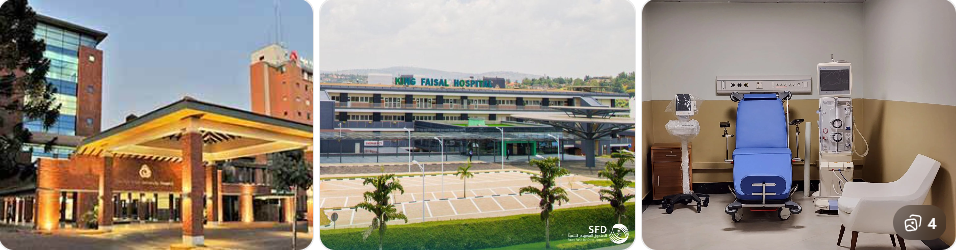
East Africa has become a center of healthcare innovation. Cities such as Nairobi, Kigali, and Dar es Salaam are developing strong networks of private hospitals and specialist clinics.
East Africa also benefits from forward-thinking healthcare policies in some countries, which encourage innovation while maintaining patient safety standards. These facilities often stand out for their adoption of modern medical technology, including
- digital patient records
- advanced imaging equipment
- laboratory automation
- integrated care systems
The region has also become known for centers of excellence in areas like heart care, eye surgery, and maternal health. For patients across the region, this means improved access to specialized care without traveling long distances.
4. Southern Africa: Highly Developed Healthcare Ecosystems

Southern Africa has some of the most developed healthcare systems on the continent. Cities such as Johannesburg, Cape Town, and Gaborone host many large private hospital networks. Hospitals in this region often provide:
- advanced surgical centers
- comprehensive cancer care
- trauma units
- specialized pediatric services
- rehabilitation facilities
Southern Africa is also home to several internationally accredited hospitals that attract patients from across the continent.
Due to strong infrastructure, reliable transportation, and experienced specialists, the region plays a role in Africa’s medical tourism landscape.
5. Emerging Healthcare Hubs in Central Africa

Central Africa is still developing its private healthcare sector, but progress is visible. Cities like Douala, Kinshasa, and Libreville are seeing new hospitals and clinics emerge. Many of these facilities focus on:
- diagnostics
- maternal health
- general surgery
- internal medicine
Investment in healthcare infrastructure is growing, and partnerships with international medical organizations are helping improve training and standards.
Although the region still faces challenges like limited specialist availability, steady progress suggests strong future growth.
Patients Can Evaluate Hospitals Across Regions
Choosing a hospital should always involve careful research. Regardless of the region, patients should consider several key factors.
- Accreditation and Licensing: Hospitals should be registered with national health authorities and follow recognized medical regulations.
- Availability of Specialists: A strong hospital typically offers access to multiple specialists who can collaborate on complex cases.
- Diagnostic Capabilities: Modern labs, imaging equipment, and monitoring systems improve accuracy and reduce delays.
- Quality of Communication: Clear communication between doctors and patients is essential for long-term care and safety.
- Continuity of Care: The best hospitals support ongoing relationships between patients and physicians, enabling them to follow their health over time.
ChextrMD’s Continuity of Care Still Matters Most
Even with the rise of impressive hospitals across Africa, the most important factor in healthcare remains the relationship between a patient and their physician. Hospitals provide tools and infrastructure, and ChextrMD continuity of care comes into play.
Your own trusted doctor guides decisions, monitors changes, and supports you through life’s health challenges. Continuity of care means:
- consistent guidance
- careful monitoring of health trends
- better understanding of a patient’s medical history
- safer long-term management of chronic conditions
FAQs: Mapping Top-Tier Hospitals in Africa
Which African region has the most advanced private hospitals?
Several regions across Africa are home to highly developed private hospital networks, but Southern Africa and North Africa currently stand out for their advanced infrastructure and long-established healthcare systems.
Southern Africa has invested heavily in private healthcare over the past few decades.
- Large hospital groups operate modern facilities that offer advanced surgical services, specialized departments, and highly trained medical professionals.
- Hospitals provide a wide range of services, from complex diagnostic testing to specialized treatments and rehabilitation care.
North Africa also has a strong healthcare landscape.
- Countries such as Egypt, Morocco, and Tunisia have built modern private hospitals in major cities that serve both local patients and those from nearby regions.
- Hospitals offer specialized care in areas like heart health, orthopedics, fertility services, and advanced imaging.
At the same time, West Africa and East Africa are growing quickly.
- Cities such as Lagos, Accra, Nairobi, and Kigali are seeing major investments in modern private hospitals.
As these facilities expand and attract more specialists, the gap between regions is gradually narrowing.
Overall, the most advanced hospitals tend to be located in large urban centers where there is strong demand, access to trained medical professionals, and investment in modern medical technology.
Do patients travel between African countries for medical care?
Yes, travel within Africa for medical care—often called intra-African medical travel—is becoming more common. In the past, many Africans traveled to Europe, the Middle East, or Asia when they needed specialized medical services.
While international travel still happens in some situations, more patients are now choosing to seek treatment within Africa. This change is largely due to the growth of high-quality private hospitals across the continent.
Regional healthcare hubs are emerging where hospitals develop strong reputations for certain services. For example, some cities are known for cardiac care, orthopedic surgery, fertility services, or eye treatment.
Traveling within Africa often makes follow-up care easier compared with traveling overseas. Patients can return for check-ups more conveniently, and families can stay closer during recovery.
Are private hospitals in Africa expensive?
The cost of care in private hospitals varies widely across Africa. Prices depend on several factors, including the hospital’s location, the type of service needed, the level of specialization involved, and the technology used in treatment or diagnosis.
Some private hospitals offer services that are more affordable than international hospitals while still providing high-quality care. However, specialized procedures, advanced diagnostics, and extended hospital stays can increase costs.
Many patients access private hospitals through private health insurance. Some employers provide insurance as part of workplace benefits, helping staff access private healthcare when needed.
In some cases, hospitals also offer payment plans or structured billing systems that allow families to manage costs more comfortably. Clear financial communication helps patients make informed decisions about their care.
How can I verify the quality of a hospital?
Evaluating the quality of a hospital is an important step before seeking treatment. Several indicators can help patients identify facilities that maintain strong standards.
One of the most important factors is government licensing. Hospitals should be officially registered with national health authorities and operate under the supervision of the country’s medical regulatory bodies.
Another key factor is professional accreditation. Some hospitals seek additional recognition from national or international accreditation organizations that review healthcare facilities’ safety and quality practices.
Patients can also look for signs of strong clinical systems, such as
- experienced and licensed doctors
- specialized departments with trained staff
- well-maintained medical equipment
- modern diagnostic laboratories
- clear patient safety procedures
- organized patient record systems
Communication is also an important indicator. Hospitals that explain procedures, answer questions openly, and provide transparent information about services tend to demonstrate stronger patient-centered care.
Finally, word-of-mouth recommendations from trusted physicians or other patients can also help guide decisions.
Is it better to travel abroad for treatment?
For many years, traveling abroad was seen as the best option for specialized medical treatment. While international care may still be appropriate in certain complex situations, the healthcare landscape in Africa is changing quickly.
Today, many conditions can be managed within high-quality hospitals across the continent. Advances in medical technology, specialist training, and hospital infrastructure have allowed African facilities to provide services that were once available overseas.
Seeking care closer to home offers several advantages.
- patients remain near family and support networks during treatment, and recovery
- follow-up appointments are easier to arrange
- communication with healthcare providers is more comfortable due to shared language and cultural understanding
However, the best decision always depends on the specific medical need. In many cases, patients are discovering that excellent care is now available within Africa, particularly in regional medical hubs that continue to grow and improve each year.
Why is the African context important when choosing a hospital?
Africa has unique health realities that can influence how care is delivered. Climate patterns, common regional diseases, dietary habits, and travel patterns can all affect a person’s health.
For example, conditions such as hypertension, diabetes, malaria, and respiratory infections may behave differently in different locations, lifestyles, and seasonal changes.
Hospitals and physicians who understand the local African context are prepared to guide patients through these factors. They consider
- cultural habits
- local food availability
- environmental conditions
- family health patterns
This deeper understanding helps create care plans that are more practical and easier for patients to follow in everyday life.
Africa’s Healthcare Map Is Being Redrawn
The map of healthcare in Africa is changing—and it is changing quickly. Across the continent, modern private hospitals are rising in key cities and regional hubs.
From North Africa’s long-established medical centers to the fast-growing hospitals of West and East Africa, more patients can now access advanced care closer to home. This shift matters. For many families, it means fewer long-distance trips abroad.
It means better diagnostic tools, stronger specialist teams, and hospitals that are designed around safety, organization, and patient comfort. But while buildings and technology are important, they are only part of the story.
The real strength of a healthcare system comes from relationships. Hospitals provide the environment, the equipment, and the support systems. Yet it is the relationship between a patient and a trusted physician that truly shapes long-term health.
In this new era of African healthcare, the best hospitals are those that support continuity of care—where doctors follow patients over time, understand their medical history, and guide them through life’s health changes with steady oversight.
As Africa continues to invest in healthcare infrastructure, training, and innovation, these regional hubs will likely become even stronger. More specialists will stay on the continent. More hospitals will develop centers of excellence.
And more patients will have access to care that is not only modern but also deeply personal. For individuals and families, the goal remains simple: choose hospitals and doctors who value long-term care, clear communication, and trusted guidance.
Because when healthcare is built on continuity and trust, patients gain something even more valuable than advanced technology—peace of mind for the years ahead.