
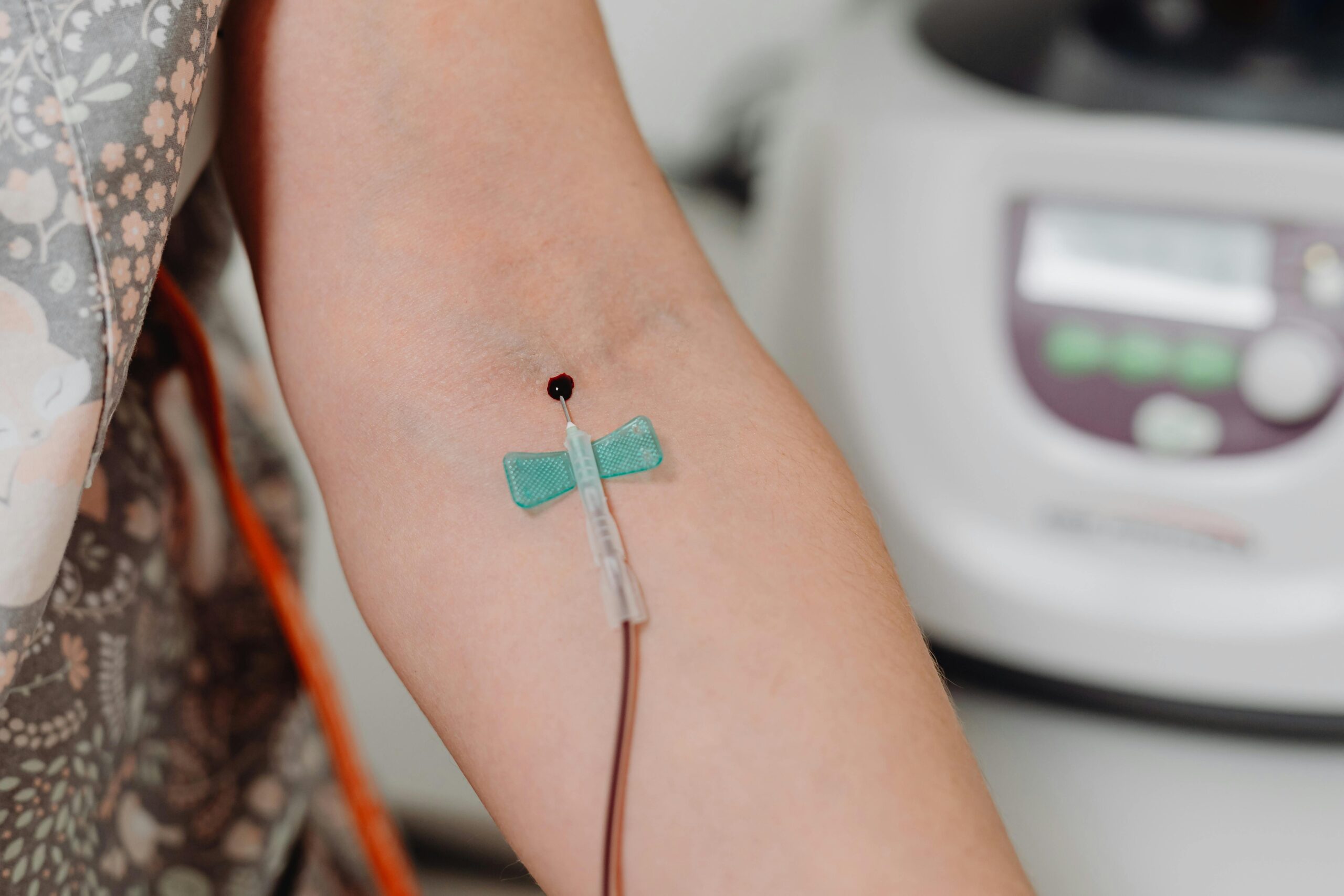
Medical travel is growing globally. Many patients cross borders for surgery, advanced procedures, or specialized care. But long flights and recent surgery can increase the risk of a serious complication: blood clots.
Blood clots that form in deep veins are called Deep Vein Thrombosis (DVT). If a clot travels to the lungs, it can cause a life-threatening condition called pulmonary embolism.
According to the WHO, prolonged periods of immobility during travel can raise the risk of clot formation. When travel occurs soon after surgery, the risk may increase further.
The good news is that many blood clot risks can be reduced with careful planning and medical guidance. This guide focuses on how patients can minimize blood clot risks during medical travel and recover more safely.
You could also read our main guide on Surgical and Anesthesia Risks Abroad: 9 Critical Dangers Every Patient Must Understand Before Medical Travel.
Medical Travel Increases Blood Clot Risk
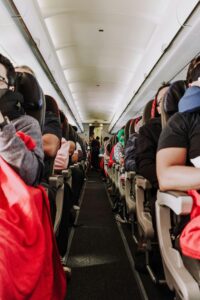
Blood clots can occur when blood flow slows down or when the body is under physical stress. Several factors related to medical travel may increase this risk:
- long flights with limited movement
- recent surgery or anesthesia
- dehydration during travel
- sitting for extended periods
- inflammation after procedures
Air travel longer than four hours can increase blood clot risk, especially when passengers remain seated for most of the flight.
The Centers for Disease Control and Prevention explains that prolonged immobility reduces circulation in the legs, allowing blood to pool and potentially form clots.
When surgery is added to the equation, the body’s natural clotting response becomes more active during healing. This combination spells why careful travel planning is important after medical procedures.
Surgery Affects Blood Clot Formation
Surgery naturally increases the body’s tendency to form clots. This is part of the body’s healing response. During recovery, patients may also move less due to pain or fatigue. However, certain procedures are riskier than others. Higher-risk procedures include:
- orthopedic surgeries such as joint replacement
- abdominal surgery
- cancer surgery
- long operations under general anesthesia
Reduced activity slows circulation in the legs. This is why many surgeons recommend delaying long flights after surgery whenever possible.
Ways to Reduce Blood Clot Risk During Medical Travel
1. Speak With Your Personal Doctor Before Traveling
The first step in reducing clot risk is to discuss travel plans with your physician. Your doctor understands your medical history and can evaluate factors that increase clot risk, including:
- age
- previous blood clots
- obesity
- smoking history
- heart or lung conditions
- certain medications
Your doctor may recommend specific precautions before surgery and before returning home. Early medical guidance makes a big difference.
2. Allow Enough Recovery Time Before Flying
One of the most common mistakes in medical travel is flying home too soon after surgery. Surgeons often recommend waiting several days or weeks before taking long flights.
The waiting period allows the body to stabilize and reduces the chance of clot formation. The appropriate waiting time depends on the procedure. Patients should always follow the recommendations of their surgical team and personal physician. For example:
- minor procedures may require only a few days
- major operations may require several weeks
3. Move Frequently During Flights
Movement is one of the most effective ways to reduce the risk of clotting. The patient should try to stand or walk every hour during long flights. Even small movements can help maintain circulation. Simple exercises during travel include:
- flexing the ankles up and down
- rotating the feet in circles
- stretching the legs while seated
- walking the aisle periodically
These movements help blood flow through the veins of the legs.
4. Stay Hydrated During Travel

Dehydration can make blood thicker and increase the risk of clotting. Airplane cabins are very dry, and travelers often drink less water during long flights. Patients should:
- drink water regularly
- limit alcohol and caffeine
- avoid excessive salt before travel
Good hydration supports healthy circulation and reduces stress on the body during travel.
5. Consider Compression Stockings
Compression stockings gently squeeze the legs to improve blood circulation. These medical stockings are often recommended for people at increased risk of blood clots during long travel. They work by:
- improving venous blood flow
- reducing swelling in the legs
- preventing blood from pooling in the veins
Patients should ask their doctor whether compression stockings are appropriate before surgery or long flights.
6. Follow All Post-Surgery Medication Instructions
Some patients receive medications to reduce blood clot risk after surgery. These medications may include blood-thinning treatments prescribed by a physician.
Patients should follow medication instructions carefully and never stop medications without medical advice. Skipping prescribed preventive treatment may increase blood clot risk.
7. Know the Warning Signs of Blood Clots
Early recognition of blood clot symptoms is critical. Symptoms of deep vein thrombosis may include:
- swelling in one leg
- pain or tenderness in the calf
- warmth in the affected leg
- redness or discoloration
If a clot travels to the lungs and causes pulmonary embolism, symptoms may include:
- sudden shortness of breath
- chest pain
- rapid heartbeat
- dizziness
These symptoms require immediate medical attention.
Special Considerations for African Medical Travelers
Patients from Africa often travel long distances for specialized care. Flights between Africa and medical destinations in Europe, Asia, or the Middle East may last 8–12 hours or longer.
These long travel times understate the importance of clot prevention strategies. In addition, access to follow-up care may vary depending on the patient’s location after returning home.
Because of these factors, careful planning is essential before scheduling surgery abroad. Preparation helps ensure a smoother recovery once patients return home. Patients should ensure that they have:
- clear recovery instructions
- medical documentation from the surgery
- follow-up care arranged with their physician
Role of Continuity of Care After Medical Travel
Recovery does not end when the patient boards a plane home. Many complications appear days or weeks after surgery. This is why ongoing medical guidance is important.
Patients benefit from maintaining contact with a physician who knows their medical history and can monitor their recovery.
Services like ChextrMD support continuity of care by helping patients remain connected with their own trusted doctors after medical travel.
This kind of relationship-based medical oversight can help identify problems early and guide patients safely through recovery.
FAQs About Blood Clots During Medical Travel
How long after surgery should patients wait before flying?

The waiting period varies by procedure. Minor procedures may allow travel within a few days, while major surgery may require several weeks of recovery before flying. Patients should always follow guidance from their surgeon and personal physician.
Do long flights always cause blood clots?
No. Most travelers complete long flights without developing clots. However, the risk increases when other factors are present, such as recent surgery, dehydration, or prolonged immobility. Preventive measures can significantly reduce this risk.
Who is at higher risk of travel-related blood clots?
Medical advice is especially important for these groups before traveling. Higher-risk individuals may include:
- people with previous blood clots
- older adults
- smokers
- people with obesity
- Patients
- recovering from major surgery
Can walking during the flight really prevent blood clots?
Movement improves blood circulation and reduces the risk of blood pooling in the legs. While it cannot eliminate risk, regular movement is one of the most effective preventive steps during long travel.
Are compression stockings necessary for all travelers after surgery?
Not always. Compression stockings are recommended for some patients but not all. A physician should evaluate whether they are appropriate given the patient’s risk factors and the type of surgery.
Why may African patients need to plan a longer recovery time before flying home after surgery abroad?
Many patients traveling from Africa for surgery face very long return flights, often lasting 8–12 hours or more. These extended travel times can increase stress on the body during early recovery. Long flights may raise the risk of complications such as:
- swelling around surgical sites
- fatigue and dehydration
- blood clots such as Deep Vein Thrombosis
Due to these risks, surgeons often recommend that patients stay near the hospital for several days—or sometimes weeks—before returning home.
Patients returning to countries such as Nigeria, Kenya, or Ghana may need additional recovery time due to the long, physically demanding journey.
Planning enough time for early healing can significantly improve recovery and reduce complications during travel.
What should African patients arrange before leaving the surgical destination?
Patients returning to Africa after surgery abroad should ensure they leave the hospital with complete medical documentation and clear recovery instructions. Important items to obtain include:
- the surgical report
- anesthesia records
- medication prescriptions
- wound care instructions
- recommended follow-up schedule
Having these documents helps local physicians understand the procedure and provide proper follow-up care once the patient returns home.
In some cases, doctors may also recommend scheduling an early review with a trusted physician soon after returning.
Maintaining close communication with a familiar doctor can help identify complications early and support a smoother recovery after international medical travel.
Smart Planning Makes Medical Travel Safer

Medical travel can provide access to advanced procedures and specialized care. But safe recovery requires careful planning. Blood clots are a serious risk that can occur during long travel, especially after surgery.
Fortunately, many preventive steps are simple and effective. Patients who consult their doctors, allow enough recovery time, stay hydrated, move regularly, and monitor symptoms can significantly reduce their risk.
Maintaining ongoing communication with a trusted physician helps ensure a safe recovery long after the journey home. 👣👨🦼➡️🌏