
Medical travel has become increasingly common. Patients travel to countries seeking specialized procedures, shorter wait times, or lower costs.
Yet one issue remains the most important safety concern when undergoing surgery abroad: infection control. Healthcare-associated infections (HAIs) remain a global challenge.
According to the WHO, hundreds of millions of patients worldwide are affected by infections acquired in healthcare settings every year. These infections can prolong recovery, increase costs, and in severe cases lead to life-threatening complications.
For patients considering surgery abroad, understanding infection prevention practices is essential. Asking the right questions helps patients make safer and more informed decisions.
This guide explains how infection control works in surgical settings and outlines important questions every medical traveler should ask before choosing a hospital abroad.
Our main guide on Surgical and Anesthesia Risks Abroad: 9 Critical Dangers Every Patient Must Understand Before Medical Travel provides an overview of this important topic.
Infection Control Matters in Medical Travel
Any surgical procedure creates a pathway for bacteria to enter the body. Even a small incision temporarily weakens the body’s protective barrier. Common post-surgical infections include:
- surgical site infections (SSIs)
- bloodstream infections
- pneumonia following anesthesia
- UTIs from catheters
The Centers for Disease Control and Prevention reports that SSIs are among the most common healthcare-associated infections globally. Most modern hospitals reduce these risks through strict infection prevention systems. These systems involve:
- sterile surgical instruments
- hand hygiene
- controlled operating room airflow
- antibiotic stewardship
- post-operative monitoring
When patients travel internationally, infection risks can increase if hospital standards vary. Understanding infection control practices helps patients identify hospitals that prioritize safety.
Infection Control Standards Hospitals Should Follow
Sterilization Protocols
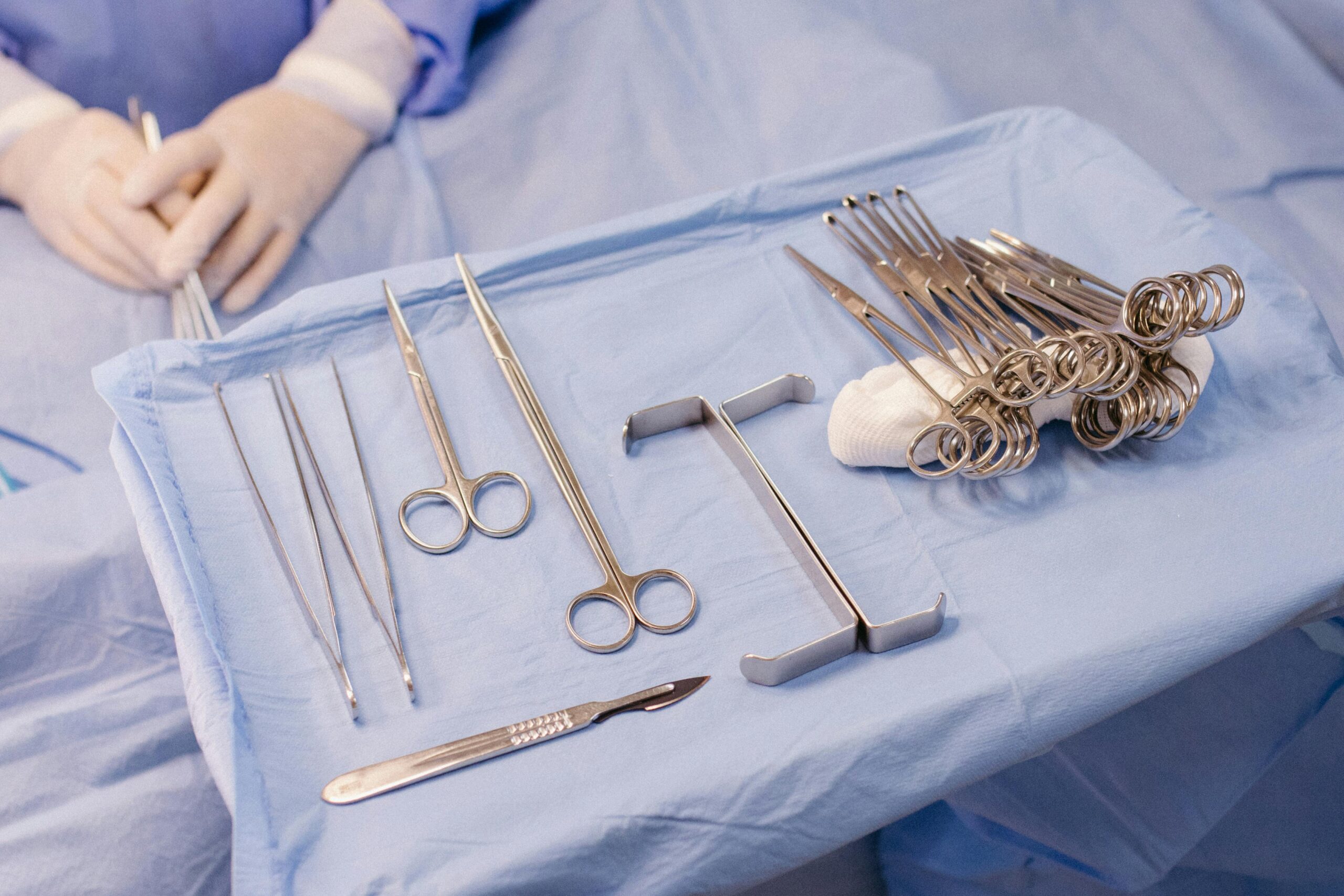
Surgical instruments must undergo strict sterilization procedures to eliminate bacteria, viruses, and spores. Each instrument must be documented and tracked to ensure it has been properly sterilized. Hospitals typically use:
- high-temperature steam sterilization
- chemical sterilization systems
- automated sterilization tracking
Operating Room Hygiene
Operating rooms are designed to minimize contamination. Protocols reduce the likelihood that bacteria from outside the operating room will reach surgical wounds. Common safety features include:
- controlled airflow systems
- positive air pressure environments
- regular environmental cleaning
- sterile surgical attire for staff
Hand Hygiene Compliance
Hand hygiene is one of the most effective infection prevention methods. The WHO emphasizes that proper hand hygiene by healthcare workers can significantly reduce healthcare-associated infections.
Hospitals with strong infection programs monitor handwashing compliance.
Antibiotic Stewardship

Hospitals must carefully manage antibiotic use. Patients undergoing surgery often receive preventive antibiotics shortly before the procedure. However, unnecessary or prolonged antibiotic use can lead to antibiotic resistance.
Effective programs ensure antibiotics are used only when appropriate.
Critical Infection Control Questions to Ask Before Surgery Abroad
Patients considering surgery in another country should ask detailed questions about infection prevention practices. These questions help determine whether a hospital maintains strong safety standards.
1. Is the Hospital Internationally Accredited?
Accreditation organizations evaluate healthcare facilities for safety and quality standards. Accredited hospitals must meet strict infection control requirements. Examples include:
- Joint Commission International (JCI)
- national healthcare regulatory bodies
- independent healthcare quality organizations
Patients should request accreditation documents rather than relying on marketing claims.
2. How Are Surgical Instruments Sterilized?
Patients should ask about sterilization procedures used for surgical instruments. Hospitals with transparent sterilization protocols are generally more reliable. Important details include
- instruments are sterilized on-site
- sterilization cycles are monitored electronically
- instruments are tracked between procedures
3. What Are the Hospital’s Infection Rates?
Hospitals track infection rates as part of quality monitoring programs. Hospitals that monitor and publish infection data often demonstrate stronger accountability. Patients may ask:
- What is the surgical site infection rate for this procedure?
- How often are infection audits conducted?
- Are infection rates publicly reported?
4. What Infection Prevention Protocols Are Used in the Operating Room?
Patients can ask whether staff follow internationally recognized surgical safety checklists. The WHO promotes a Surgical Safety Checklist designed to reduce complications during surgery. Operating room safety protocols should include:
- sterile gowns and gloves
- surgical masks and caps
- sterilized instruments
- controlled operating room airflow
5. How Is Hand Hygiene Enforced?
Patients may feel uncomfortable asking about hand hygiene, but it is a critical safety practice. A strong hand hygiene culture is one of the most reliable signs of good infection prevention. Hospitals should have:
- hand sanitation stations throughout the facility
- compliance monitoring programs
- staff training programs
6. How Are Hospital Rooms Cleaned Between Patients?
Hospital surfaces can carry bacteria if not properly disinfected. Proper environmental cleaning reduces infection risks during recovery. Patients should ask:
- How often are patient rooms disinfected?
- Are specialized cleaning protocols used for surgical units?
- What disinfectants are used?
7. What Happens if an Infection Occurs?
Even in well-managed hospitals, infections can occasionally occur. Hospitals with established infection response protocols can treat complications more effectively. Patients should ask about:
- immediate treatment protocols
- laboratory testing capabilities
- access to infectious disease specialists
8. Is There a Plan for Follow-Up Care?
Postoperative monitoring plays a major role in detecting infections early. Clear follow-up planning is essential for safe recovery. Patients traveling internationally should understand:
- how long should they remain near the hospital after surgery
- when follow-up visits occur
- how complications will be handled once they return home
9. How Are Antibiotics Used Before and After Surgery?
Preventive antibiotics are commonly used in surgery to reduce infection risk. Responsible antibiotic use protects patients while preventing antibiotic resistance. Patients can ask:
- when antibiotics will be administered
- how long will antibiotics be prescribed
- whether antibiotic use follows established guidelines
Warning Signs of Infection After Medical Travel
Even after leaving the hospital, patients should watch for symptoms that may indicate infection. Early treatment significantly improves recovery outcomes. Seek medical attention if you experience:
- redness around the surgical wound
- swelling or warmth at the incision site
- fever or chills
- pus or unusual drainage
- increasing pain after initial improvement
Recovery Challenges After Returning Home
One difficulty of medical travel is managing complications after returning home. Local doctors may not have immediate access to surgical records or treatment plans from foreign hospitals. Patients should request copies of:
- surgical reports
- discharge instructions
- antibiotic prescriptions
- laboratory results
These records help physicians manage complications effectively if infections develop.
Transparency Matters in Medical Travel
One of the biggest challenges in international healthcare is access to reliable information about hospitals and providers. Patients often rely on marketing materials rather than verified safety data.
Transparency tools that verify healthcare providers and facilities can help patients make better decisions before traveling for medical treatment.
Services such as ChextrMD aim to improve transparency by helping patients review provider credentials and understand healthcare options more clearly. Better information empowers patients to prioritize safety, not only cost.
FAQs: Infection Control to Ask Before Surgery Abroad
What is the most common infection after surgery abroad?
The most reported infection after surgery abroad is a surgical site infection (SSI). This type of infection occurs when bacteria enter the body through the incision made during surgery.
According to the WHO, surgical site infections are among the most common healthcare-associated infections globally. They can occur in any hospital, regardless of location, but the risk may increase if infection prevention practices are inconsistent.
Surgical site infections depend on the depth of the infection, which affects the surgical area. These may include:
- superficial infections affecting the skin around the incision
- deep tissue infections, involving muscle or surrounding tissues
- organ or space infections, affecting deeper areas involved in the surgery
Some infections appear within a few days of surgery, while others may develop one to three weeks later, sometimes after the patient has already returned home. Early treatment is important. Symptoms of a surgical site infection may include:
- redness or swelling around the incision
- increasing pain instead of gradual improvement
- warmth around the surgical wound
- fever or chills
- pus or unusual drainage from the incision site
Doctors typically manage these infections using wound care, antibiotics, and, in some cases, additional procedures to clean the affected area.
Are infection rates higher in medical tourism hospitals?
Infection rates are not automatically higher in hospitals that treat international patients. In fact, many well-known medical tourism hospitals invest heavily in infection control programs to maintain strong international reputations.
Some facilities follow strict safety standards established by organizations such as the Centers for Disease Control and Prevention and the WHO.
These hospitals often maintain advanced sterilization systems, modern operating rooms, and specialized infection control teams. However, infection rates can vary widely among hospitals globally. Factors that influence infection risk include:
- hospital’s sterilization and instrument tracking systems
- operating room cleanliness and airflow control
- staff adherence to hand hygiene protocols
- antibiotic stewardship programs
- post-operative monitoring and wound care practices
One challenge for patients considering medical travel is that infection data is not always publicly available or easy to verify. Some hospitals publish their infection rates, while others do not disclose them.
Because of this variability, patients should carefully research hospitals and ask direct questions about infection prevention practices before scheduling surgery abroad.
Ultimately, the safety of surgery depends far more on the specific hospital and surgical team than on the country where the procedure takes place.
How long should patients stay near the hospital after surgery abroad?
The recommended recovery period depends on the procedure. Many surgeons advise staying near the surgical facility for several days or weeks to allow early monitoring for complications.
How can patients prepare for safe recovery after medical travel?
Preparing for recovery after surgery abroad requires careful planning before the trip even begins. While many patients focus on selecting the surgeon or hospital, postoperative care and monitoring are important for a safe outcome.
One of the most effective ways to reduce complications is to maintain close communication with your home personal physician. A doctor who already knows your medical history can guide decisions before surgery and monitor your recovery once you return.
The WHO emphasizes that follow-up care and early monitoring are key to identifying complications quickly and improving recovery outcomes.
What infection control questions should African patients ask before traveling abroad for surgery?
Many African patients travel internationally for procedures in Europe, the Middle East, or Asia. Before choosing a hospital, it is important to ask clear questions about infection prevention practices. Key questions include:
- Is the hospital accredited by an international body such as the Joint Commission International?
- What is the hospital’s rate of surgical site infections?
- How are operating rooms sterilized between procedures?
- Are preventive antibiotics used before surgery?
- What infection monitoring happens after the procedure?
The WHO emphasizes that strong infection prevention programs—including hand hygiene, sterilization protocols, and surgical safety checklists—are essential for reducing surgical complications.
Why should African patients pay special attention to infection control when planning surgery abroad?
Many patients from Africa travel long distances for medical procedures. While this can provide access to specialized care, it may also make managing complications more difficult after returning home.
If a surgical infection develops weeks later, local physicians may not have direct access to the original surgical team or hospital records. This can delay treatment and recovery. Before traveling, patients should ask:
- What follow-up care is recommended after surgery?
- How long should they remain near the hospital before flying home?
- What documentation will be provided for doctors back home?
Having detailed discharge instructions and surgical records helps local doctors provide better care if complications arise after returning home.
Protect Yourself from Infection During Medical Travel
Surgery abroad can offer valuable opportunities for patients seeking specialized care. However, infection prevention must remain a central priority when choosing a hospital.
Strong infection control programs include sterilization protocols, operating room safety procedures, hand hygiene compliance, and careful post-surgery monitoring.
By asking the right questions and verifying hospital standards, patients can better protect themselves from complications. Safe medical travel requires thoughtful preparation, reliable information, and close coordination with trusted healthcare professionals.
Informed patients make safer healthcare decisions.