
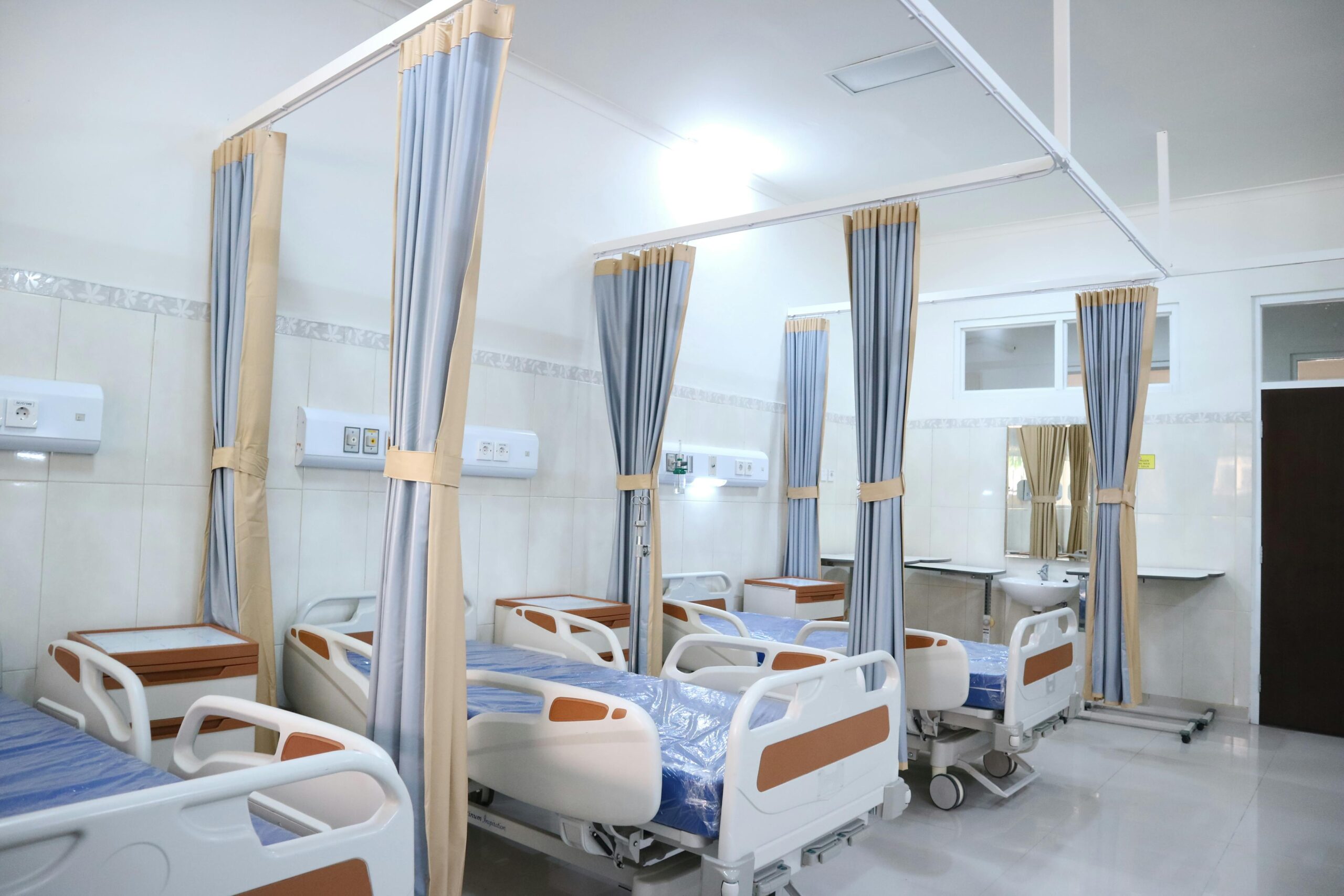
Choosing a hospital abroad can feel overwhelming.
Websites look impressive.
Photos are modern.
Testimonials sound perfect.
But when your health is at stake—especially for major surgery, cancer care, or complex procedures—appearance is not enough. Hospital reputation must be verified, not assumed.
If you are planning treatment overseas, this guide will show you critical checks to help you evaluate hospital reputation safely and wisely.
If you have not yet read our broader guide on comparing destinations, review our main article, Comparing Popular Medical Tourism Countries: 7 Powerful Insights to Help You Choose Wisely, for full context before deciding on a country.
Now, let’s focus on assessing the hospital itself.
1️⃣ Check International Accreditation

Accreditation is one of the strongest starting points. Accreditation means the hospital has met specific safety and quality standards. Accreditation is helpful, but it is not the only factor. Look for internationally recognized bodies such as
- Joint Commission International
- International Society for Quality in Health Care
Some excellent hospitals may follow high standards without international branding.
2️⃣ Review Specialist Credentials
The hospital name is important. But the surgeon or specialist matters even more. High surgical volume often improves skill. Experience reduces complications. Ask:
- Where did the doctor train?
- How many similar procedures do they perform each year?
- Are they board-certified?
- Do they publish research?
Your personal doctor at home should help review these credentials before you commit.
3️⃣ Examine Published Outcomes
Reputable hospitals are transparent about outcomes. Hospitals that refuse disclosure should raise concern. Look for information on:
- surgical success rates
- infection rates
- ICU survival statistics
- readmission rates
If this data is not available publicly, request it.
4️⃣ Assess ICU and Emergency Capacity
For major surgery, ICU quality can determine survival. Complications do not announce themselves politely. They require an immediate response. Check whether the hospital has:
- 24-hour critical care specialists
- advanced ventilators
- blood bank services
- emergency surgical backup
5️⃣ Evaluate Infection Control Standards
Infection is one of the biggest risks in surgery. Hospitals in countries such as Singapore, Germany, and the UK often have strict infection regulations. But policies vary by institution. Ask about:
- sterilization procedures
- antibiotic protocols
- hand hygiene policies
- isolation units
6️⃣ Verify Multidisciplinary Team Access

Complex cases require more than one doctor. Reputable hospitals hold structured team meetings to review cases together. This collaboration improves safety. For example, cancer treatment may require:
- oncologist
- surgeon
- radiologist
- pathologist
- ICU team
7️⃣ Research Legal and Regulatory Oversight
Each country regulates hospitals differently. Understanding how complaints are handled and how malpractice laws operate can help you assess accountability. Countries such as
- Singapore
- Germany
- United Kingdom
…have strong national healthcare oversight systems.
8️⃣ Look Beyond Online Reviews
Online reviews can be helpful—but they are not medical audits. Balanced feedback is more believable than perfection. Be cautious of:
- only 5-star ratings
- no negative feedback
- anonymous testimonials
- marketing-style comments
Instead, look for independent patient forums, media reports, and third-party healthcare quality assessments.
9️⃣ Confirm Clear Cost Transparency
Hidden costs often appear when planning is rushed. Transparency reflects professionalism. A reputable hospital provides:
- written treatment estimates
- clear breakdown of charges
- ICU cost per day
- surgeon fees
- anesthesia fees
- medication costs
🔟 Assess Communication Quality
Before traveling, evaluate how the hospital communicates. Clear communication before travel often predicts safe communication during treatment. Do they:
- respond clearly to medical questions?
- provide written treatment plans?
- explain risks honestly?
- allow your home doctor to communicate with them?
Special Considerations for African Patients
Traveling from Nigeria, Kenya, Ghana, South Africa, or other African countries adds extra layers. A hospital may be excellent—but if follow-up planning is weak, safety decreases once you return home. You must consider:
- long flight stability
- visa timelines
- currency exchange impact
- follow-up access after returning home
Reputation includes how well the hospital prepares you for discharge and long-term recovery.
⚠️ Red Flags to Avoid When Evaluating a Hospital Abroad
Not all hospitals with beautiful websites are safe. Some warning signs are subtle. Others are obvious. But when you know what to look for, you protect yourself.
Here are critical red flags every African family should watch for before committing to treatment abroad.
1️⃣ Guaranteed Results
Medicine is not mathematics. Even the best hospitals in Singapore, Germany, or the UK cannot promise perfect outcomes. If a hospital or doctor guarantees:
- 100% success
- no complications
- “risk-free” surgery
Be cautious. Honest hospitals discuss risks clearly.
2️⃣ Refusal to Share Surgeon Experience
Transparency is a hallmark of reputable institutions. If you ask:
- How many similar procedures do you perform yearly?
- What are your complication rates?
And the hospital avoids answering—that is concerning.
3️⃣ No Written Cost Breakdown
If you receive only a vague quote without details, ask for clarification. Hidden costs create stress during recovery. Professional hospitals provide clarity upfront. A proper estimate should include:
- surgeon fees
- anesthesia
- ICU charges
- hospital stay
- medications
- possible extended care
4️⃣ Poor Communication Before Travel
Slow replies. Generic responses. Unclear answers. If communication is disorganized before you travel, it may be worse during a complication. Clear, timely communication reflects structured systems.
5️⃣ Pressure to Pay Immediately
Reputable hospitals understand that complex medical decisions require time. Be cautious if you feel rushed to:
- transfer the full payment urgently
- skip detailed review
- sign documents without explanation
6️⃣ No Coordination With Your Home Doctor
If a hospital refuses to communicate with your personal physician, this is a major red flag. Safe care requires continuity. Your home doctor should be able to:
- share medical records
- clarify diagnosis
- discuss treatment plans
- review discharge instructions
Fragmented care increases risk—especially for African patients returning to health systems with varying resources.
7️⃣ Unclear Emergency Protocols
Hospitals prepared for emergencies will answer confidently. Ask:
- What happens if there is a complication?
- Is there a 24-hour ICU team?
- Is there backup surgical support?
Red Flags Matter Even More for African Patients
A poor hospital choice not only affects the surgery. It also affects your recovery when you return. That is why evaluating reputation must be thorough—not rushed. Traveling from Africa often involves:
- long flights
- visa delays
- significant financial commitment
- currency exchange pressure
- limited immediate access to follow-up specialists at home
▶️ Word of Caution
Reputation is built on systems, outcomes, transparency, and accountability. Take your time. Involve your trusted physician. Make decisions calmly, not emotionally. The biggest mistake is choosing based only on:
- lowest price
- viral social media video
- friend’s single experience
Your health deserves careful evaluation—not marketing promises.
Continuity of Care Strengthens Hospital Evaluation
Evaluating hospital reputation should never be a solo decision. Your trusted physician should:
- review hospital credentials
- compare treatment recommendations
- assess whether the plan fits your diagnosis
- confirm you are stable for travel
- prepare a structured follow-up after return
ChextrMD’s continuity of care does not replace hospital treatment abroad. It supports continuous access between physicians and their known patients. That continuity reduces fragmentation.
ChextrMD ensures someone who understands your full medical history remains involved before, during, and after treatment abroad. In complex care, oversight matters as much as location.
FAQs: How to Evaluate Hospital Reputation Abroad
Is international accreditation enough to guarantee safety?

No. Accreditation is important, but surgeon experience, ICU quality, and infection control are equally critical.
Should I trust hospital marketing videos?
Marketing materials are designed to attract patients. Always verify credentials, outcomes, and independent sources.
How can my home doctor help evaluate a hospital abroad?
Your doctor can review specialist credentials, assess treatment plans, confirm your medical stability, and coordinate safe follow-up.
Are private hospitals always better than public hospitals abroad?
Not necessarily. Some public university hospitals have stronger academic expertise than private centers. The key is specialization and outcomes—not ownership type.
What is the biggest mistake patients make?
Choosing based only on cost. Low price without strong safety systems can increase risk.
How can African patients verify a hospital abroad if reliable local references are limited?
This is a common challenge. In many African countries, patients may not personally know someone who has been treated in Singapore, Germany, the UK, India, or Turkey. That makes word-of-mouth harder.
Instead of relying only on social media stories, you should:
- ask the hospital for international accreditation proof
- request the specialist’s full CV
- ask for procedure volume (how many similar surgeries per year)
- review published research or conference participation
- confirm direct communication between the overseas hospital and your home doctor
Your personal physician plays a key role here. A trusted doctor can help interpret medical credentials, review treatment plans, and identify red flags. Verification is stronger when it is professional—not emotional.
What special risks should African patients consider when returning home after treatment abroad?
Reputation evaluation should include discharge planning. After returning to Nigeria, Kenya, Ghana, Zambia, South Africa, or other African countries, patients may face:
- delays in advanced lab testing
- limited access to certain imported medications
- fewer rehabilitation centers outside major cities
- long travel distances to specialist clinics
The safest hospitals think beyond surgery—they prepare you for recovery at home. Before choosing a hospital abroad, confirm that they will provide:
- detailed discharge summary
- clear medication alternatives if brands are unavailable locally
- emergency warning signs in writing
- structured follow-up timeline
For African families, continuity of care after return is just as important as the hospital’s reputation during admission.
Reputation Is Earned, Not Advertised

A hospital’s reputation is built on:
- transparency
- outcomes
- specialist expertise
- ICU strength
- infection control
- ethical communication
Do not rush this decision. Medical travel should improve your safety—not increase risk. Careful evaluation, guided by your trusted physician, provides protection that no glossy brochure can offer.
Your health deserves evidence, not marketing. 🌎🌟