

When a condition becomes complicated—advanced cancer, rare neurological disease, organ transplant, or multi-stage heart surgery—families often look beyond standard destinations.
That’s when names like Singapore vs UK vs Germany enter the conversation. These countries are known for precision medicine, academic excellence, and highly structured hospital systems. But which is best for complex care?
And more importantly—which is the safest for you? If you have not yet read our main comparison guide, review Comparing Popular Medical Tourism Countries:: 7 Powerful Insights to Help You Choose Wisely. It explains the broader decision-making framework.
Now let’s focus specifically on complex, high-risk, high-specialization treatment.
1️⃣ What Counts as “Complex Care”?
Not every country is equally prepared for this level of care. Complex care usually involves:
- advanced cancer requiring multi-step treatment
- organ transplantation
- rare genetic or autoimmune diseases
- brain or spine surgery
- pediatric rare disorders
- multi-organ disease management
- treatment after failed surgery elsewhere
These cases require more than a skilled surgeon. They require:
- multidisciplinary teams
- strong ICU systems
- advanced imaging
- long-term monitoring
- coordinated follow-up
2️⃣ Singapore for Complex Care
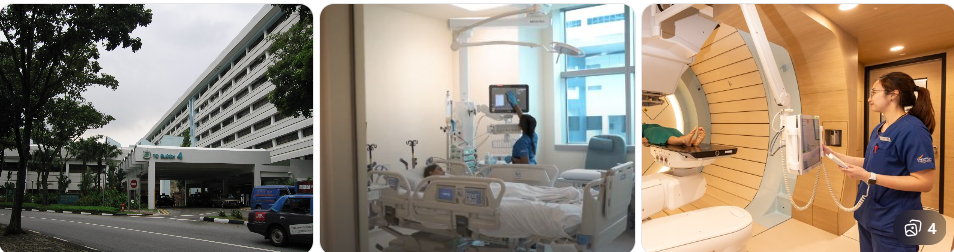
Strengths
- highly regulated healthcare system
- advanced oncology programs
- strong transplant services
- excellent ICU standards
- English widely spoken
Singapore is known for precision and efficiency. Hospitals are tightly regulated, and infection-control standards are stringent. This works best for families prioritizing structured, high-regulation environments and who can manage the cost.
Advantages for African Patients
- clear communication in English
- structured treatment plans
- high safety standards
- organized follow-up documentation
Limitations
- very expensive
- strict visa and financial documentation requirements
- smaller population means lower surgical volume compared to India
3️⃣ United Kingdom for Complex Care
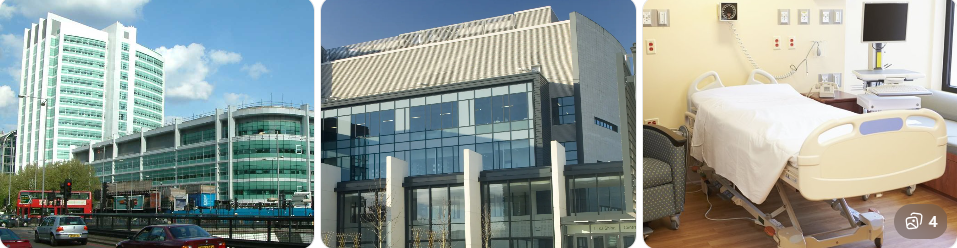
Strengths
- strong academic medical centers
- rare disease expertise
- pediatric specialty units
- evidence-based treatment protocols
- research integration
The UK is particularly strong in rare cancers, complex autoimmune diseases, and pediatric specialty care. This is often considered when highly specialized academic expertise is required.
Advantages
- highly structured medical system
- clear clinical governance
- access to experienced consultants
- advanced multidisciplinary case review
Limitations
- very high private care costs
- potential wait times
- visa processes may be complex
4️⃣ Germany for Complex Care
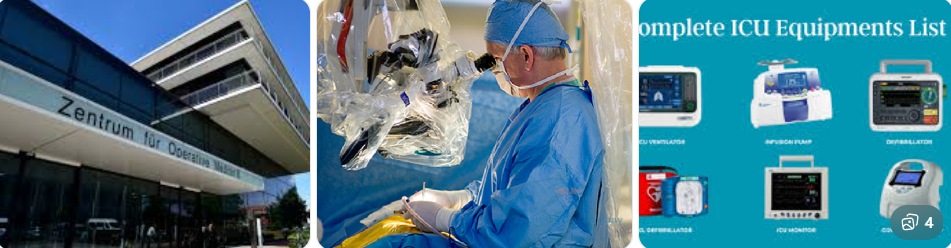
Strengths
- advanced neurosurgery
- precision orthopedic surgery
- cardiac and vascular surgery
- rehabilitation excellence
- strong engineering-driven medical systems
Germany is known for technical precision and structured rehabilitation programs. This is often chosen for advanced neurological and orthopedic cases requiring long-term rehabilitation.
Advantages
- high technical standards
- detailed surgical planning
- strong post-surgery rehab
- advanced imaging technologies
Limitations
- language barriers outside major centers
- high cost
- complex billing systems
5️⃣ Cost Comparison for Complex Care
Complex treatment in these countries is expensive. Complex care often requires longer hospital stays, repeat imaging, ICU monitoring, and extended rehabilitation—increasing total expenses.
- Singapore: Very high cost for oncology, transplant, and ICU care.
- UK: High private hospital pricing, especially for rare-disease treatment.
- Germany: High costs for surgery and rehabilitation.
Always request a full written estimate, including:
- ICU days
- specialist consultations
- rehabilitation
- medication costs
- unexpected complication management
6️⃣ Travel Distance and Recovery Considerations
Your doctor must confirm you are stable enough for long-distance travel. Flights from Africa to:
- Singapore → Long (10–14+ hours depending on route)
- UK → Moderate to long (6–10 hours)
- Germany → Similar to UK (7–10 hours)
Long-haul travel increases:
- fatigue
- blood clot risk
- dehydration
- stress on weak patients
7️⃣ Follow-Up After Complex Care
Complex care does not end after discharge. Hospitals in Singapore, the UK, and Germany will provide discharge summaries—but your safest protection is strong continuity of care with your trusted physician at home. You may need:
- long-term medication monitoring
- regular blood tests
- imaging follow-ups
- rehabilitation sessions
- ongoing symptom review
That relationship ensures:
- medication adjustments are safe
- complications are caught early
- recovery is monitored over months
- communication gaps are avoided
8️⃣ When Each Country May Be the Better Choice
Choose Singapore if:
- highly regulated, English-speaking environment
- advanced oncology or transplant care
- budget is not the main barrier
Choose UK if:
- rare disease expertise
- pediatric or academic specialist input is needed
- research-backed protocols are important
Choose Germany if:
- advanced neurosurgery
- complex orthopedic reconstruction
- structured rehabilitation programs
But remember—the best country depends on your diagnosis, stability, and long-term care plan.
ChextrMD Fits Into Complex Care Decisions
When treatment involves brain surgery, organ transplantation, advanced cancer therapy, or rare diseases, the decision is never simple.
It is not just about comparing Singapore vs UK vs Germany.
It is about coordination.
Complex care requires:
- careful pre-travel medical review
- stability assessment before long flights
- organizing complete medical records
- comparing specialist expertise
- reviewing treatment plans
- monitoring complications after return
- adjusting medications safely at home
This is where structured continuity of care becomes critical. ChextrMD is not telemedicine and does not replace hospital treatment abroad. Instead, it supports continuous access between physicians and their known patients.
That distinction matters deeply in complex cases. For high-net-worth African families and busy professionals, the greatest risk is fragmentation—different doctors in different countries who do not fully understand the patient’s long-term history.
Through structured oversight, your trusted doctor can:
- review hospital recommendations before you commit
- clarify unclear medical terminology
- ensure the proposed surgery aligns with your diagnosis
- confirm you are stable enough to travel
- coordinate safe follow-up after discharge
- monitor lab results once you return home
- detect early warning signs of complications
Complex care does not end when you leave Germany, Singapore, or the UK. In many cases, recovery lasts months or even years. Continuous monitoring reduces risk. It protects your long-term outcome. It gives peace of mind.
In African settings—where access to highly specialized follow-up services may vary between cities—maintaining strong communication with your primary doctor is especially important. Choosing the right country is step one.
Ensuring safe continuity before and after treatment is what truly protects you. Complex medicine demands calm, structured, long-term oversight—not isolated decisions. And that oversight should always come from a physician who already knows your full story.
FAQs: Singapore vs UK vs Germany for Complex Care
Which country is best for rare diseases?
The UK is known for strong academic centers managing rare diseases, especially pediatric conditions.
Is Singapore safer than other countries?
Singapore has strict regulations and high safety standards, but safety ultimately depends on the specific hospital and specialist.
Is Germany good for neurological surgery?
Germany is highly regarded for neurosurgery and structured rehabilitation programs.
Are these countries more expensive than India or Turkey?
Yes. Complex care in Singapore, the UK, and Germany is generally more expensive than in India or Turkey.
Do African patients need special preparation before traveling long distances for complex treatment?
Yes. Long-distance travel from Africa to Singapore, the UK, or Germany can be physically demanding—especially for patients with advanced cancer, heart disease, lung problems, severe anemia, and kidney failure.
Flights may last 8 to 14 hours, depending on your location. Long travel increases the risk of blood clots, dehydration, fatigue, and breathing difficulties. Stabilization at home may be required first. Before booking tickets, your trusted doctor should:
- review lab results
- check heart and lung stability
- adjust medications if necessary
- confirm fit to fly
Travel should never worsen your condition.
What if follow-up care is limited in my city after returning to Africa?
This is a very important question. After complex surgery or advanced treatment, you may need:
- regular blood tests
- imaging (MRI, CT scans)
- wound monitoring
- chemotherapy cycles
- rehabilitation therapy
In major African cities like Lagos, Nairobi, Accra, Johannesburg, or Cairo, access may be easier. In smaller cities or rural areas, access may be limited. Before leaving Germany, Singapore, or the UK, ensure you have:
- detailed discharge summary
- clear medication instructions
- follow-up schedule
- emergency warning signs in writing
Most importantly, arrange a structured follow-up with your personal doctor at home. Continuity of care helps bridge gaps between international treatment and local healthcare systems.
Is visa approval harder for African patients seeking treatment in these countries?
Visa requirements can vary depending on your country of origin. Start the visa process early. Delays can affect treatment timing, especially for urgent conditions. The UK, Singapore, and Germany often require:
- confirmed hospital appointment
- proof of payment or financial capacity
- accommodation details
- return flight booking
- medical reports
Hospitals usually provide invitation letters, but your documentation must be complete and accurate.
Are there cultural or communication challenges for African patients?
In Singapore and the UK, English is widely spoken, which makes communication easier for many African patients. In Germany, English is commonly spoken in large university hospitals, but smaller centers may rely more heavily on German.
Planning reduces stress during recovery. Always confirm language support before traveling. Cultural differences may affect:
- food options
- family visiting policies
- communication style
- religious considerations
What financial risks should African families prepare for?
Complex care in Singapore, the UK, or Germany is expensive. Currency exchange rates can also impact total cost. Families should request a detailed cost estimate before travel and plan for emergency reserves. Costs may include:
- surgery fees
- ICU charges
- specialist consultations
- rehabilitation
- medications
- accommodation for family members
- complications
Complex care rarely ends with just one invoice.
Is it safe to travel alone for complex treatment?
In most complex cases, traveling alone is not advisable. A medical escort or trusted family member provides emotional and practical support. Patients undergoing brain surgery, organ transplants, and major cancer treatment often need assistance with:
- medication schedules
- mobility
- communication
- emergency decisions
Safety improves when you are not alone.
Complex Care Requires Calm, Structured Decisions
Choosing Singapore, the UK, or Germany for complex care can provide access to advanced expertise. But complex treatment requires more than advanced machines. Your safety depends on:
- careful pre-travel planning
- financial readiness
- clear communication
- strong follow-up once you return home
The most important decision is not only where you go—but how well your journey is coordinated with your trusted physician before, during, and after treatment. Complex care requires long-term oversight—not isolated decisions.
Care abroad is only one part of the story. Your health journey continues when you return home. ✈️ 🦽