

Traveling abroad for treatment is a big decision. It affects your health. Your family. Your finances. Even your peace of mind. Many countries promote themselves as “the best.” Beautiful websites. Smiling doctors. Luxury rooms.
But how do you truly compare popular medical tourism countries in a smart, safe way? This guide will walk you through it step by step—clearly, calmly, and without hype.
If you haven’t yet read our complete guide on Choosing Where to Go for Treatment Abroad: A 6-Step Life-Saving Guide for Patients and Families, start there first. It explains the full decision process and safety planning before you compare destinations.
Now let’s break down the countries most frequently considered by African patients—and how to compare them wisely.
Comparing Medical Tourism Countries Matters
Not all countries are strong in the same treatments. Some specialize in heart surgery. Others focus on cancer care. Some are leaders in cosmetic or orthopedic surgery. Choosing the wrong country for your specific condition can mean:
- higher costs
- longer recovery
- more complications
- poor follow-up
- unnecessary travel stress
The right comparison saves time, money, and sometimes lives.
1. India: High-Volume Expertise at Competitive Costs
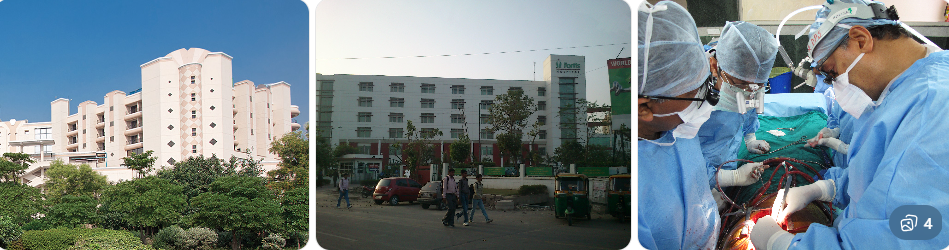
Strengths
- cardiac surgery
- oncology (cancer treatment)
- neurosurgery
- kidney transplants
- complex orthopedic procedures
India is one of the world’s largest medical tourism destinations. Many hospitals perform thousands of procedures each year. High volume can mean high experience.
Advantages
- affordable than the U.S. and Europe
- English widely spoken
- strong specialist training
- advanced surgical equipment in major cities
Things to Watch
- quality varies by hospital
- infection control differs between centers
- very busy hospitals may feel crowded
Your personal doctor should help you select a specific hospital—not just “India” in general.
2. Turkey: Modern Facilities and Growing Reputation

Strengths
- orthopedic surgery
- eye surgery
- plastic surgery
- imaging services
Turkey has invested heavily in healthcare infrastructure. Many hospitals are modern and internationally accredited. Always verify specialist experience for serious conditions.
Advantages
- shorter flight times from Africa than from Asia
- strong tourism support systems
- competitive pricing
Things to Watch
- language barriers outside major hospitals
- cosmetic-focused marketing (be careful if you need complex medical care)
3. South Africa: Regional Strength with Cultural Familiarity
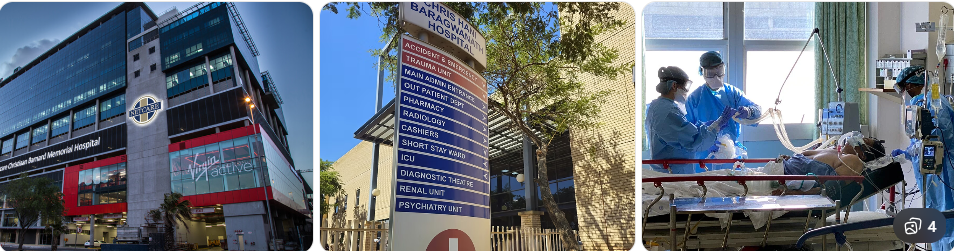
Strengths
- trauma care
- infectious disease management
- critical care
- some transplant services
For many African patients, South Africa feels culturally closer and easier to navigate.
Advantages
- shorter travel distance
- familiar food and environment
- highly trained specialists in major cities
Things to Watch
- specialized services may be limited to Cape Town and Johannesburg
- costs can be high in private hospitals
4. United Arab Emirates (UAE): Luxury-Level Private Care

Strengths
- cardiology
- orthopedics
- high-end diagnostics
- premium private healthcare
The UAE is known for comfort and world-class facilities. Choose carefully based on your treatment type.
Advantages
- short flights from Africa
- excellent hospital environments
- strong infection control in top centers
Things to Watch
- very expensive for complex surgery
- some hospitals rely on visiting specialists
5. United Kingdom: Academic Excellence and Rare Disease Care
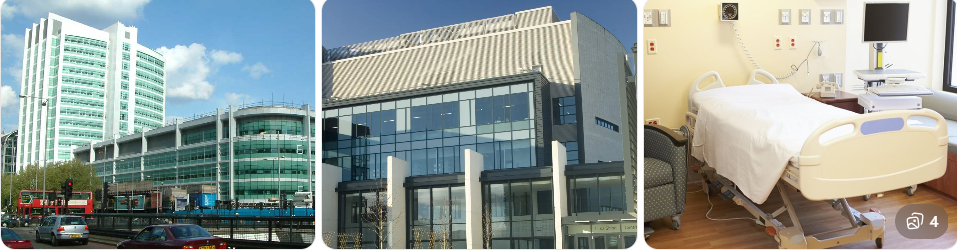
Strengths
- rare disease management
- advanced oncology
- academic research centers
- specialized pediatric units
Advantages
- strong regulation
- highly trained consultants
- structured care systems
Things to Watch
- high cost for private treatment
- longer waiting times in some cases
6. United States: Cutting-Edge Technology and Complex Care
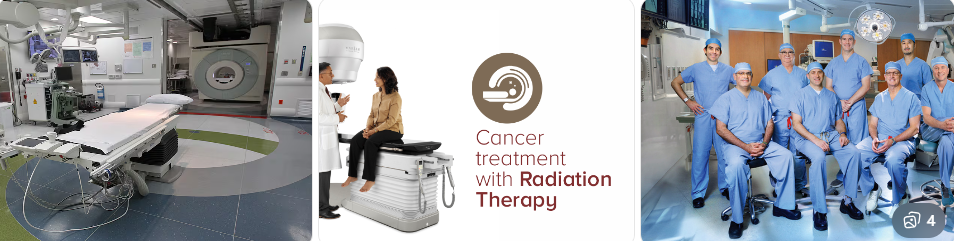
Strengths
- complex cancer care
- advanced surgical innovation
- precision medicine
- clinical trials
Advantages
- access to the latest technology
- highly specialized experts
- strong research-backed protocols
Things to Watch
- extremely high costs
- visa challenges
- complex billing systems
This option works best for highly complex cases where cost is not the primary barrier.
How to Compare These Countries the Smart Way
Comparing countries without involving your own trusted doctor is risky. Instead of asking, “Which country is best?” ask:
- Which country has the strongest experience in my condition?
- How stable am I for travel?
- What are the real full costs?
- What is the follow-up plan after I return home?
- Can my personal doctor coordinate care safely?
Hidden Costs Many Families Miss
- extra ICU days
- imaging repeat fees
- medication costs
- accommodation for 3–6 weeks
- travel changes
- complication management
- rehabilitation
A country that looks cheap at first may become expensive later.
Most Overlooked Factor: Follow-Up After You Return
No matter which country you choose, treatment does not end when you board the flight home. This is why long-term continuity of care with your own physician is so important. You will need:
- monitoring
- medication adjustment
- wound checks
- repeat tests
- emotional support
Your home doctor understands your body, your history, and your lifestyle. This relationship protects you long after the hospital abroad says goodbye.
When Staying Local May Be Better
Traveling abroad for medical care can feel appealing—new hospitals, top specialists, and advanced technology. But sometimes, the best choice is right at home.
Staying local can reduce stress, lower costs, and keep you closer to the people and resources you already trust. Here’s why staying local may make more sense:
⏳ High-Quality Care Exists Locally
Many African countries have rapidly improving healthcare systems. In major cities, private and teaching hospitals now provide:
- complex surgeries (orthopedic, cardiac, or cancer-related)
- specialized diagnostic tests (MRI, CT scans, PET scans)
- expert rehabilitation and physiotherapy services
If your home hospital offers comparable care and your doctor is confident about outcomes, there’s often no need to travel thousands of kilometers. Staying local ensures you receive safe, expert care without unnecessary disruption.
🪬 Reduced Travel Stress
Even short flights can cause discomfort, dehydration, or increased risk of clotting. Staying local minimizes these risks and allows for a smoother recovery in a familiar environment. Traveling long distances can be exhausting, especially if you are:
- recovering from surgery
- undergoing chemotherapy
- managing chronic conditions like diabetes or heart disease
🧘🏿♂️ Easier Family Support
This support can be critical for both physical and emotional healing, especially for serious conditions. Recovering near home makes it easier for family members to:
- accompany you to appointments
- help with daily needs during recovery
- stay involved in your care plan
📱 Lower Costs
Medical travel abroad can be expensive. Local treatment eliminates most of these costs while still allowing you to access highly skilled doctors and accredited facilities. Consider:
- flight tickets and visas
- accommodation for weeks near the hospital
- daily meals and transportation
- additional insurance for overseas treatment
- emergency travel contingencies
🔭 Continuous, Personalized Oversight
Continuous care from someone who knows your full medical history significantly reduces risk—something even the best foreign hospital cannot fully provide. When you stay local, your personal doctor can oversee every step of your care:
- pre-procedure testing
- procedure planning
- post-procedure follow-up
- medication adjustments
- long-term monitoring
📞 Quick Access in Case of Complications
Emergencies can happen anytime. Staying local means faster access to your doctor or hospital if complications arise. There is no long-haul flight, no visa hurdles, and no language or cultural barriers to navigate.
👉Key Takeaway
Traveling abroad should improve your safety and outcomes, not create additional risks. If your doctor believes local care is equally effective, staying close to home often:
- reduces stress
- protects your health
- keeps costs manageable
- ensures seamless follow-up
In many cases, the best place for care is right where you are, supported by a doctor who truly knows your history, habits, and needs.
How Does ChextrMD Fit Into Comparing Popular Medical Tourism Countries?
Choosing between India, Turkey, South Africa, the UAE, the UK, or the U.S. can feel overwhelming. Each country has strengths. Each hospital has different standards. And every specialist has a different level of experience.
This is where structured, personalized continuity of care becomes extremely important. ChextrMD is not a telemedicine platform, and it does not replace hospital care abroad. Instead, it supports ongoing guidance between physicians and their known patients.
That difference matters. When a patient is considering treatment abroad, ChextrMD helps by strengthening the relationship between the patient and their own trusted doctor. This allows:
- careful review of hospital quotes
- evaluation of specialist qualifications
- preparation of complete medical summaries
- pre-travel stability checks
- coordination with the overseas team
- close monitoring after returning home
- ongoing medication adjustments
- long-term oversight and reassurance
Medical travel should never be a one-time event disconnected from your main health journey. It should be part of a carefully supervised plan.
Busy professionals and families who value premium, high-trust medical relationships often prefer this type of structured oversight. It reduces uncertainty. It improves communication.
And it keeps one central doctor fully aware of the entire story—before, during, and after treatment abroad. In short, while countries and hospitals provide procedures, strong continuity of care provides safety. And safety is what truly matters.
FAQs: Comparing Popular Medical Tourism Countries
Which country is the cheapest for surgery abroad?
India and Turkey are often more affordable than the United States or the United Kingdom. This is mostly due to lower labor costs and different healthcare systems. But “cheapest” does not mean safest. It also does not mean it is best for your condition.
But safety and specialist experience must come first. Always compare the total cost, not just the starting number. A low quote may exclude:
- ICU days
- repeat scans
- extra medications
- complication care
- extended hospital stay
Your own doctor should review the plan to make sure nothing important is missing.
Which country is best for cancer treatment?
There is no single best country for all cancers. The U.S., UK, India, UAE, Germany, and South Africa all have strong oncology centers—but not every hospital within those countries offers the same level of care. The right choice depends on:
- type of cancer
- stage
- need for surgery, chemotherapy, or radiation
- availability of advanced technology
- access to long-term follow-up
The most important factor is the oncologist’s experience with your specific cancer type, not just the country name.
Is South Africa good for medical tourism?
For many patients across Africa, South Africa is attractive. It is especially strong in trauma care, infectious diseases, and certain specialized surgeries. This is due to:
- travel distance is shorter
- cultural familiarity is higher
- English is widely spoken
- some private hospitals are highly advanced
However, very complex or rare treatments may still require travel outside the continent. Your personal doctor can help determine whether local or regional care is sufficient.
Is the United States worth the high cost?
The U.S. is known for cutting-edge technology, advanced cancer centers, and complex surgical expertise. However, costs are extremely high. Visa processes can also be difficult. It is often considered when:
- rare condition is involved
- multiple treatments have failed
- highly specialized research-based care is needed
For some families, the benefits outweigh the expense. For others, comparable care may exist elsewhere at a lower cost. Careful comparison is essential.
How do I compare two hospitals in different countries?
This extra step reduces risk dramatically. Instead of comparing countries alone, compare hospitals using these criteria:
- accreditation status
- specialist experience (number of procedures done)
- published outcomes
- infection control standards
- ICU capacity
- transparency in pricing
- clear post-treatment plan
Ask for written treatment plans from both hospitals. Then review them with your doctor at home.
What role does travel distance play in choosing a country?
A 6-hour flight is very different from a 16-hour flight—especially after major surgery. If you are weak or unstable, shorter travel may be safer. Travel distance affects:
- flight stress
- blood clot risk
- cost
- family support availability
- emergency return plans
Which countries are easiest for African patients to travel to for medical treatment?
For patients across Africa, proximity, visa access, and cultural familiarity matter a lot. Your personal doctor can help weigh travel risks, health stability, and recovery needs before selecting a destination. Many African families choose:
- South Africa: Short flights from most African capitals, English widely spoken, familiar foods, and advanced private hospitals.
- Kenya: Strong regional specialty hospitals and easier travel from East Africa.
- India or UAE: Popular for highly specialized care; flight times are longer, but visas are generally accessible for medical travel.
How can African patients ensure follow-up care after treatment abroad?
Follow-up care is critical to avoid complications after surgery or treatment abroad. African patients can:
- bring a detailed medical report for their home doctor
- schedule post-travel check-ins with their local physician before leaving
- ask the overseas hospital for written discharge instructions
- use a trusted doctor network for lab monitoring or medication adjustments
- maintain phone or video contact with the specialist abroad if questions arise
Strong continuity of care between the home doctor and the foreign specialist ensures safer, smoother recovery—especially when healthcare systems differ across countries.
Choose With Wisdom, Not Emotion
Comparing popular medical tourism countries requires calm thinking, detailed research, and trusted medical guidance.
Do not rush.
Do not chase trends.
Do not choose based on advertisements alone.
The safest path is always one where your personal doctor stays involved before, during, and after your journey.
Strong continuity of care makes every destination safer. 🫂