

The Hidden Risk After Sunset
Many health risks do not start at breakfast.
They start at night.
Late-night eating and sugary drinks have quietly become common in urban African homes. Long workdays. Traffic. Late dinners. Social media before bed. Sweet beverages to “relax.” Over time, these habits increase the risk of:
- weight gain
- high blood pressure
- Type 2 diabetes
- poor sleep quality
- acid reflux
This post focuses on reducing late-night eating and sugary drink consumption.
For a broader look at food and disease prevention, see our guide: 7 Powerful Lifestyle Habits that Reduce Disease Risk in African Adults: Simple Daily Choices Strengthen Families.
Late-Night Eating Affects Health
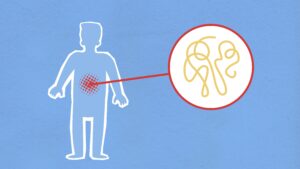
Small timing adjustments can make a big difference. When the body prepares for rest, metabolism slows. Excess calories consumed late at night are more likely to be stored rather than used. Eating large meals close to bedtime can:
- disrupt digestion
- raise blood sugar overnight
- interfere with sleep
- promote weight gain
In many African cities, dinner happens late due to work schedules, traffic congestion, and family routines.
Sugary Drinks Are a Major Risk
Sugary beverages include soda, sweetened fruit drinks, energy drinks, sweetened tea, and malt beverages. These drinks:
- add excess calories quickly
- raise blood sugar rapidly
- increase insulin demand
- contribute to weight gain
Liquid sugar does not create the same fullness as solid food, making overconsumption easy.
1. Set a Gentle “Kitchen Closing” Time
Choose a realistic time when eating stops for the night. For example:
- 8:30 PM or 9:00 PM
- 2–3 hours before bedtime
Start gradually. Even moving dinner 30 minutes earlier helps. This allows:
- better digestion
- improved sleep
- reduced unnecessary snacking
2. Plan Balanced Dinners to Reduce Late Cravings
Late snacking often happens because dinner was unbalanced. When meals are balanced, blood sugar stays more stable and cravings reduce. A balanced dinner should include:
- vegetables
- protein (beans, fish, eggs, lean meat)
- moderate whole grains
3. Replace Sugary Drinks With Structured Alternatives
Completely removing sugary drinks overnight may feel extreme. Gradual reduction is more sustainable. Instead, try:
- drinking water before meals
- replacing one sugary drink per day with water
- preparing unsweetened tea
- adding lemon, mint, or cucumber to water
4. Avoid Eating While Using Screens

Late-night eating often happens while watching television, scrolling on the phone, or working on a laptop. Mindless eating increases portion size. Awareness reduces overconsumption. Try:
- eating only at the table
- avoiding snacks in the bedroom
- turning off screens during meals
5. Address Stress-Driven Night Eating
Many people eat late because of stress. Common triggers include work pressure, financial stress, or emotional fatigue. Managing stress reduces emotional eating. Instead of eating, try:
- short walk
- deep breathing
- herbal tea
- conversation with family
- reading
6. Keep Sugary Drinks Out of Easy Reach
Availability influences behavior. When sugary drinks are less available, intake naturally drops. Simple strategies:
- do not store large quantities at home
- buy smaller portions instead of bulk
- keep water visible and accessible
- chill water so it feels refreshing
7. Protect Sleep by Protecting Evenings
Late eating and sugary drinks affect sleep quality. Protecting evenings supports both metabolic and mental health. Poor sleep then:
- increases hunger hormones
- raises cravings the next day
- increases stress
- promotes weight gain
Late-Night Eating Matters in African Urban Settings
Urbanization across Africa has increased:
- access to processed beverages
- sedentary lifestyles
- late work hours
- stress levels
At the same time, non-communicable diseases are rising. Reducing late-night eating and sugary drinks is one of the simplest prevention strategies available—without expensive tools.
Common Mistakes People Make When Trying to Reduce Late-Night Eating and Sugary Drinks
Changing habits is not always easy. Many people start with good intentions, but small mistakes can slow progress. Awareness helps prevent frustration. Let’s look at common patterns that often cause setbacks.
⭐️ Skipping Dinner and Overeating Late
Some people skip dinner to “save calories.” Then hunger builds. By 10 PM or 11 PM, they feel extremely hungry and eat large portions—often high-sugar or fried foods. This cycle can:
- disrupt blood sugar balance
- increase calorie intake
- disturb sleep
- encourage emotional eating
A better approach is eating a balanced, moderate dinner earlier in the evening. Regular meals reduce late-night cravings.
🧋 Replacing Meals With Sugary Drinks
Busy professionals sometimes drink sweetened coffee, energy drinks, malt beverages, or packaged fruit juice instead of eating proper meals. This may seem convenient. But sugary drinks:
- do not provide lasting fullness
- cause rapid blood sugar spikes
- increase cravings later
Over time, this pattern may increase the risk of weight gain and metabolic issues. Balanced meals support stable energy better than liquid sugar.
🍹 Assuming Fruit Juice Is Always Healthy
Many people believe fruit juice is automatically healthy because it comes from fruit. Whole fruit is usually a better choice than juice. Even natural juice should be taken in moderation, especially for individuals managing blood sugar concerns. However:
- juice often contains high natural sugar levels
- fiber is removed
- portions are easy to overconsume
🌬 Making Extreme Restrictions and Then Relapsing
Some individuals remove all sugary drinks or snacks overnight. For a few days, it works. Then cravings return strongly, leading to overeating. Extreme restriction often leads to rebound behavior. Gradual reduction is more sustainable:
- reduce frequency
- reduce portion size
- replace one drink at a time
Consistency is stronger than perfection.
🌚 Ignoring Sleep Patterns
Sleep and eating are deeply connected. If someone goes to bed very late, they are more likely to snack late. Improving sleep hygiene—regular bedtime, reduced screen time, calmer evenings—naturally reduces night eating. Poor sleep can:
- increase hunger hormones
- raise sugar cravings
- lower self-control
- increase stress
🥄 Eating Because of Stress, Not Hunger
Many late-night cravings are emotional. After long days in traffic, demanding work, or family pressure, food becomes comforting. The body may not be physically hungry. The mind is tired.
Learning to ask, “Am I truly hungry, or just stressed?” can change behavior. Stress management strategies such as short walks, deep breathing, prayer, journaling, or quiet reflection can reduce emotional eating.
🧊 Keeping Sugary Drinks Easily Available at Home
Environment shapes habits. If sugary drinks are always in the fridge, they are easy to consume. Availability drives behavior. Simple household adjustments help:
- store fewer sugary drinks
- keep water visible
- chill water for convenience
- avoid bulk sugary beverage purchases
🍸 Ignoring Portion Size at Social Events
In many African households, people may drink multiple sugary beverages without noticing. Occasional celebrations are normal. Gatherings involve:
- sweet beverages
- fried foods
- late meals
The risk comes from frequent excess. Mindful portion control helps maintain balance without avoiding social participation.
🌞 Believing “I Feel Fine, So It’s Not a Problem”
Many metabolic conditions develop silently. A person may:
- feel normal
- sleep poorly
- drink sugary beverages daily
- eat late regularly
But not realize slow changes are happening. This is why lifestyle habits should be paired with regular medical monitoring.
Combine Habit Change With Medical Monitoring
Small dietary changes can:
- improve weight control
- support blood pressure regulation
- improve blood sugar balance
However, silent risk factors may still exist. Regular follow-ups with a trusted doctor allow
- monitoring of blood pressure
- tracking weight trends
- early detection of metabolic changes
- safe adjustment of lifestyle goals
Prevention is strongest when habits are supported by continuity of care. For busy professionals and families who value structured oversight, this is where the ChextrMD philosophy aligns with prevention.
ChextrMD does not replace clinic visits or offer random consultations. Instead, it strengthens the existing relationship between patients and their known doctors by supporting continuous guidance between appointments.
A physician who understands your medical history, lifestyle patterns, and long-term goals can monitor subtle trends early and refine preventive strategies safely.
This model emphasizes premium, personalized continuity—ensuring that small dietary improvements are not isolated efforts but part of an ongoing, trusted medical partnership focused on long-term wellness.
FAQs: Reducing Late-Night Eating and Sugary Drinks
Is eating late always unhealthy?
Not always. The body can handle occasional late meals. Frequent late eating may affect digestion, sleep quality, and weight over time. The concern arises when:
- heavy meals
- foods are high in sugar or fat
- eating close to bedtime
- daily habit
Does sugary tea or coffee count as a sugary drink?
Yes. Any drink with added sugar contributes to excess calorie intake. Even small daily amounts add up over months and years. This includes:
- sweetened tea
- sweetened coffee
- flavored lattes
- malt drinks
- packaged fruit juices with added sugar
Can reducing sugary drinks really make a difference?
Yes. Sugary drinks are the easiest sources of excess calories to remove. Small daily reductions create measurable long-term benefits. When reduced consistently, people may notice:
- gradual weight stabilization
- improved blood sugar control
- reduced cravings
- better dental health
What if I work late and cannot eat earlier?
Many professionals in African cities return home late due to work and traffic. A light, balanced snack earlier in the evening to prevent overeating at night would be fine. If dinner must be late:
- keep portions moderate
- avoid heavy fried foods
- limit sugary beverages
- eat slowly
- go to bed 1–2 hours after eating
Is eating fruit at night unhealthy?

Whole fruit is generally better than sugary drinks or processed snacks. Individuals with diabetes or metabolic conditions should follow their doctor’s personalized advice.
- portion size matters
- very large servings may raise blood sugar
- fruit juice is not the same as whole fruit
What if I feel hungry before bed?
Avoid heavy, sugary snacks. If hunger is genuine, choose a light, balanced option such as
- plain yogurt
- small portion of nuts
- boiled egg
Should people with diabetes avoid late-night eating completely?
Individuals with diabetes should follow personalized guidance from their doctor. Meal timing and composition may need adjustment based on medication and blood sugar patterns.
How does regular doctor follow-up help with these habits?
Habit changes are safer and more effective when monitored over time. A doctor who knows your history can:
- monitor blood sugar trends
- track blood pressure
- evaluate weight changes
- provide realistic, personalized recommendations
How can I reduce the intake of sugary drinks during social gatherings and cultural celebrations?
In many African settings, celebrations include malt drinks, sweetened soft drinks, fruit punches, and sweet cocktails. Cultural participation is important. Completely refusing these drinks may feel socially uncomfortable. Instead, you can:
- choose smaller portions
- alternate sugary drinks with water
- drink slowly
- avoid refills
- eat balanced meals before attending events
The goal is moderation, not isolation. Occasional festive drinks are less harmful than a daily habit of sugary beverages.
What if clean drinking water is not always easily available?
In some areas, access to safe drinking water may be inconsistent. This sometimes leads families to rely on packaged sweetened drinks. When safe water is available, it remains the healthiest daily beverage choice. If safe water is limited:
- boil water where possible
- approved water purification methods
- store water safely in clean containers
- avoid assuming sugary beverages are safer alternatives
Improving water hygiene is a powerful prevention step. If access challenges persist, discussing safe hydration strategies with a trusted healthcare professional can help families reduce risk responsibly.
🤘 Reminder: Reducing late-night eating and sugary drinks is not about extreme restriction. It is about consistency, awareness, moderation, and long-term partnership with a trusted physician.
🫰 Small evening choices, repeated daily, shape long-term health outcomes.
Evenings Shape Long-Term Health

It is simple habits that protect your weight, sleep, and long-term health. Late-night eating and sugary drinks may seem small. But repeated daily, they shape long-term outcomes.
Closing the kitchen earlier.
Choosing water more often.
Managing stress differently.
Protecting sleep.
These simple steps quietly reduce disease risk. When combined with routine oversight from a trusted physician who understands your lifestyle and health history, these habits become part of sustainable prevention.
Start tonight. 🧏♀️👩❤️👩👪 Small changes create powerful protection over time.