
How Daily Health Logs Help Your Doctor See Patterns Early (Without Extra Clinic Visits)
Many health problems aren’t evident during a short clinic visit. Daily health logs—simple notes about symptoms, habits, and how you feel—help your doctor see patterns that memory alone often misses.
For busy people, daily logs turn scattered experiences into useful clinical insight.
What are Daily Health Logs?
Daily health logs are brief, consistent records of how you feel and what you notice about your body each day. They may include symptoms, energy levels, sleep quality, pain, medication effects, or triggers such as stress or travel.
Logs can be written in a notebook, entered into an app, or combined with data from wearables. The key is not detail — it is consistency.
Doctors Value Patterns More Than Single Events

A single symptom rarely tells the full story. Daily logs reveal trends that are invisible in one‑off descriptions like “It happens sometimes.” Patterns reduce guesswork and improve accuracy. Doctors make better decisions when they can see:
- how often the symptoms occur
- whether they are getting better or worse
- what triggers or relieves them
- how they relate to sleep, activity, or medication timing
Limits of Memory During Clinic Visits
Most clinic visits last only a short time. People often rely on memory, which is imperfect—especially for busy professionals managing work, travel, and family. When asked questions like:
- “How long has this been happening?”
- “How often does it occur?”
- “Is it getting worse?”
Daily logs replace vague recall with clear timelines.
Daily Logs Support Faster, Safer Decisions
When your doctor reviews a clear log, several things improve:
- Quicker understanding. Less time spent clarifying basics.
- Better prioritization. Doctors can focus on what truly matters.
- Earlier intervention. Subtle changes are spotted sooner.
- Safer care. Decisions are based on evidence, not assumptions.
This is especially valuable for conditions that fluctuate, such as headaches, palpitations, digestive symptoms, fatigue, or sleep problems.
Daily Logs + Continuous Monitoring = Clearer Insight
Daily logs work best when paired with objective data from devices. Together, they give context. Numbers explain what changed; logs explain how it felt. This combination helps doctors correctly interpret data. For example:
- symptoms + heart rate trends
- fatigue + sleep duration
- dizziness + blood pressure readings
Useful Daily Logs: What to Include
A good log is short and repeatable. Most people need only 30–60 seconds per day. Optional elements can be added later if needed. Here are the core elements to track:
- key symptoms (yes/no or 1–10 scale)
- energy or fatigue level
- sleep quality
- anything unusual (travel, illness, stress)
What to Leave Out: These details can be discussed directly with your doctor. Logs are for patterns, not conclusions.Daily logs should not include:
- self-diagnosis
- medication changes you made on your own
- long narratives or emotional venting
A Simple Daily Log: This level of detail is usually enough.
Morning: Sleep quality 6/10
Day: Energy 7/10, mild headache after lunch
Evening: Stressful meetings, no chest pain
Notes: Traveled yesterday, late dinner
Common Mistakes That Reduce the Value of Daily Logs
- logging inconsistently
- tracking too many symptoms at once
- changing what you track every few days
- sharing raw logs without summaries
Simple, steady logs outperform complex systems.
How Doctors Actually Use Daily Logs

Logs guide questions and next steps—they do not replace clinical judgment. Clinicians often use logs to:
- decide whether symptoms are mild, moderate, or concerning
- identify triggers worth addressing
- adjust monitoring plans
- decide when tests or in‑person exams are needed
Busy Professionals Benefit the Most
Daily logs save time. Instead of explaining weeks of symptoms from memory, you arrive prepared. Appointments become shorter, more focused, and more productive. For people with demanding schedules, this means:
- fewer unnecessary visits
- clearer guidance
- less anxiety about forgetting details
How to Start Without Overthinking
- Choose 1–2 symptoms that matter most.
- Pick one time of day to log.
- Use the same format every day.
- Review weekly — not constantly.
If it feels burdensome, simplify.
When Daily Logs are Especially Helpful
Daily logs are not meant to be permanent or burdensome. They are most useful during specific phases of care, when patterns and changes matter most. Below are situations where logging adds the greatest clinical value.
👨⚕️ New or Unclear Symptoms
When symptoms are new, vague, or hard to describe, daily logs help bring clarity. Recording when symptoms start, how often they occur, and what seems to trigger or relieve them gives your doctor a clearer picture than memory alone.
This can speed up diagnosis, reduce unnecessary tests, and focus attention on what truly matters.
👨⚕️ Medication Changes
Starting a new medication, changing a dose, or stopping a drug is an ideal time to use daily logs. Logs help track benefits, side effects, and timing — information that is essential for safe adjustments.
Rather than relying on general impressions like “I think it helped,” your doctor can review concrete patterns and make more confident decisions.
👨⚕️ Chronic Conditions With Flare‑Ups

For chronic conditions that come and go — such as migraines, asthma, digestive disorders, or heart rhythm symptoms — daily logs reveal flare‑up patterns. Over time, logs may highlight triggers, early warning signs, or lifestyle factors that worsen symptoms.
This allows for earlier intervention and better long‑term control.
👨⚕️ Recovery After Illness or Surgery
During recovery, daily logs help monitor progress and spot setbacks early. Tracking pain, energy levels, sleep, or function can reassure both you and your doctor that healing is on track — or signal when further assessment is needed.
This is especially helpful when follow‑up visits are spaced far apart. In stable periods, daily logging is often not necessary. With your doctor’s agreement, logs can be reduced to weekly check‑ins or paused altogether, then restarted if symptoms change.
The goal is usefulness—not constant tracking.
Continuity of Care Makes Daily Logs More Powerful
Daily logs deliver their full value only when they are part of an ongoing relationship with a clinician who already understands your medical history, risk profile, and long‑term goals.
This is known as continuity of care—the same doctor or care team guiding you over time, not just reacting to isolated episodes. When care is continuous, your doctor can interpret daily logs with context.
Your doctor will know what is new, what is expected, and what has changed. This prevents overreaction to harmless fluctuations and reduces missed warning signs that matter.
Continuity vs One‑Off Care
In fragmented care, symptom logs are often reviewed by clinicians who are unfamiliar with your history. This can lead to repeated questions, unnecessary tests, or conservative decisions driven by a lack of context.
With continuity of care, logs become cumulative knowledge. Each entry builds a growing understanding of how your body behaves over time, making decisions more precise and personalized.
Busy Professionals Benefit Most
For busy people, continuity of care paired with daily logs means fewer explanations, shorter appointments, and clearer follow‑up plans. Your doctor does not need to “start from zero” at each visit. Instead, care becomes proactive rather than reactive.
Daily logs support this relationship—they keep your clinician informed between visits while preserving professional judgment and safety. This kind of continuity of care protects busy professionals far better than one-off advice.
Care models, such as ChextrMD’s continuity-focused approach, are designed specifically to support this kind of long‑term doctor–patient relationship, where ongoing insight and follow‑up matter more than one‑time interactions.
FAQs: Daily Logs
Q: How long should I keep a daily log?
A: Most people benefit from about 2–4 weeks of consistent logging. This period is usually enough for your doctor to identify patterns, triggers, and changes from your baseline.
For chronic or recurring symptoms—such as migraines, fatigue, digestive issues, or palpitations— longer logging periods may be useful. Once patterns are clear, logging can often be reduced or paused with your clinician’s guidance.
Q: Should I log even on good days?
A: Yes. Good days are just as important as bad days. They define your personal baseline and show what “normal” looks like for you. Without good‑day data, it’s difficult for doctors to judge whether a change is meaningful or just normal variation.
Logging when you feel well also prevents the record from becoming overly focused on problems.
Q: Can apps replace written logs?
A: Apps can be helpful, especially for reminders and summaries, but they are not required. A simple notebook, phone note, or basic checklist can work just as well. The most effective tool is the one you will use consistently.
If technology feels stressful or complicated, a low‑tech option is often better.
Q: How detailed do my daily logs need to be?
A: Brief is best. A few ratings (ex: pain 3/10 or energy 7/10) and one short note about anything unusual is usually enough. Overly detailed logs can become tiring and reduce consistency. Doctors look for trends over time, not long daily stories.
Q: Should I share my daily logs at every appointment?
A: Not always. Logs are most useful when there is a question to answer — such as whether symptoms are improving, worsening, or linked to a change in treatment. Many clinicians prefer short summaries rather than full daily entries.
Ask your doctor how and when they will review your logs so the information is easy to use.
Key Takeaways: How Daily Logs Help Your Doctor
🫸 Daily logs reveal patterns over time, not just isolated symptoms
🫸 Consistent logging improves accuracy, clarity, and safety in care decisions
🫸 Good‑day entries help define your personal baseline
🫸 Short summaries are more useful than long, detailed notes
🫸 Logs work best when reviewed with a clinician who knows your history
Used correctly, daily logs save time, reduce uncertainty, and make medical visits more focused.
Daily Logs Make Medical Care Smarter, Not Harder
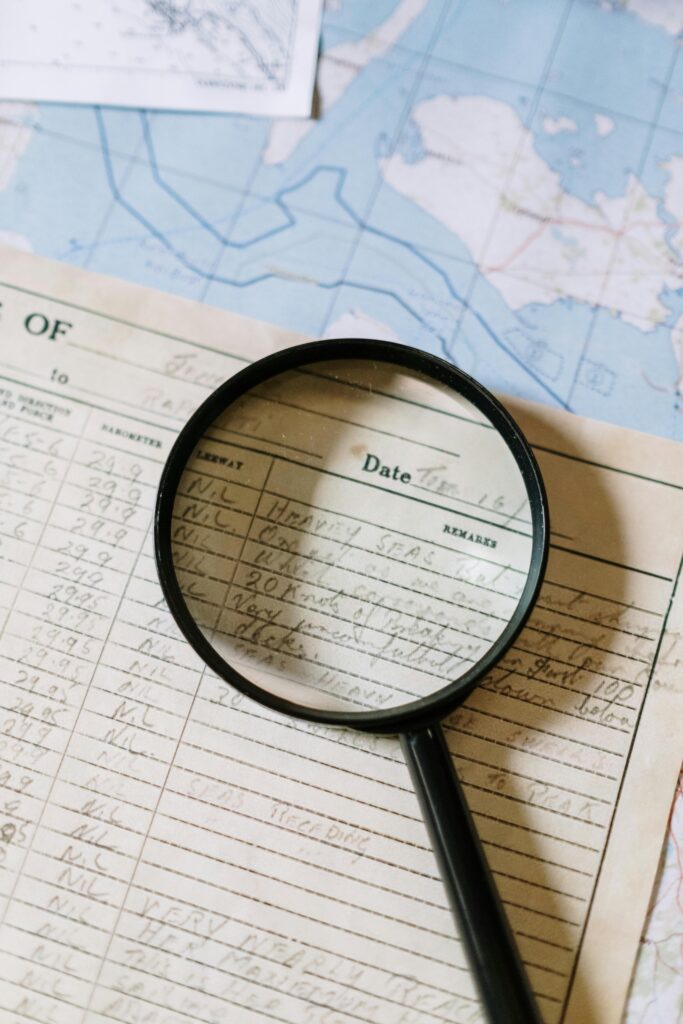
Daily logs are simple, low‑effort tools that help doctors see what matters most: patterns over time, not isolated moments.
When used consistently and shared with a clinician who knows your medical history, daily logs improve clarity, reduce uncertainty, and support safer, more personalized decisions. For busy people, the real benefit is efficiency.
Short, steady logs turn vague memories into clear timelines, making appointments more focused and follow‑up decisions easier. Instead of guessing, your doctor can act with confidence.
Keep daily logs short, steady, and honest — and let patterns, not perfection, guide better care.
🫸🫸 Next step: If you’re considering symptom tracking or continuous monitoring, ask your doctor which daily logs would be most useful for your situation. Need some insights? Read our main guide on:
Symptom Tracking for Chronic Conditions: How Busy People Stay Stable, Informed and In Control