

Long commutes are often treated as normal in African cities.
Traffic is expected.
Delays are routine.
Early departures and late arrivals feel unavoidable.
What many busy professionals do not realize is that long daily commutes quietly increase stress, drain energy, and accelerate burnout—even when work itself feels manageable.
This post explains how long commutes affect stress and burnout, why the impact is stronger in African urban settings, and how professionals can reduce harm with realistic steps and ongoing guidance from their own trusted doctor.
This article supports the main post on: Shocking Truth About Stress and Burnout in High-Pressure Jobs: 13 Hidden Triggers You Must Fix Today
Long Commutes are so Common in African Cities
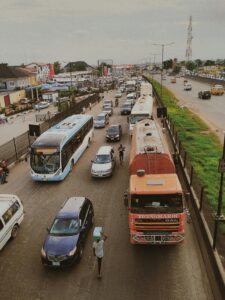
Across cities like Lagos, Nairobi, Johannesburg, Accra, and Cairo, professionals spend hours each day commuting. Many professionals accept this as part of city life. The body, however, experiences it as daily strain. Common reasons include:
- heavy traffic congestion
- limited public transport options
- long distances between home and work
- road conditions
- unpredictable travel times
- early work start times
Long Commutes Increase Stress Levels
Commutes are not passive time. They keep the nervous system alert, increasing stress hormones before the workday even begins. By the time professionals reach the office, their bodies are already tired. During long commutes, the body is exposed to:
- noise
- heat
- crowding
- pollution
- uncertainty about the arrival time
- pressure to be punctual
Long Commutes are Linked to Burnout
Burnout develops when stress exceeds recovery. Over weeks and months, this imbalance pushes professionals closer to burnout—even if job demands remain unchanged. Long commutes reduce recovery in several ways:
- less sleep time
- less time for exercise
- less time for family or rest
- fewer quiet moments
- higher mental fatigue
Many commute-related burnout signs are subtle. When these signs persist, the commute is no longer just inconvenient—it is affecting health. Watch for:
- waking up already tired
- irritability before work begins
- feeling drained before midday
- reduced patience in traffic
- headaches or muscle tension
- emotional exhaustion at home
- feeling “on edge” most days
Commute Stress Feels Worse in African Settings
African cities add unique layers of stress to the commuting experience. These conditions increase physical and emotional strain, making daily recovery more challenging. These include:
- extreme heat or humidity
- dust or air pollution
- unreliable road conditions
- noise from horns and engines
- early morning congestion
- limited flexibility in work hours
The Commute–Sleep–Stress Cycle
Long commutes often affect sleep. Poor sleep then reduces stress tolerance, making traffic feel more overwhelming the next day. This cycle slowly builds burnout. Common patterns include:
- waking very early to beat traffic
- going to bed late after long days
- shortened sleep duration
- poor sleep quality
‘Getting Used to It’ Does Not Protect You

Many professionals say, “I’m used to the traffic.” Adaptation does not mean protection. Burnout often appears after years, not weeks. The body may tolerate stress for a while, but long-term exposure still affects:
- mood
- energy
- focus
- physical comfort
- emotional resilience
Practical Ways to Reduce Commute-Related Stress
Not every professional can shorten their commute. But harm can still be reduced. Here are some small and realistic strategies to help calm the nervous system.
- keep bedtime consistent
- use calming audio instead of stressful news
- practice slow breathing during traffic stops
- stretch gently after long drives
- stay hydrated
- avoid starting work immediately after arrival when possible
- build short recovery breaks into the day
Work Structure Matters More Than Distance
Sometimes the problem is not distance, but a lack of recovery. Sharing commute realities with your doctor helps guide safer routines. Professionals benefit when:
- workdays allow short pauses
- meetings are scheduled realistically
- remote days are used thoughtfully when available
- commute-heavy days are balanced with lighter evenings
When Commute Stress Needs Medical Attention
Early discussion allows guidance before deeper exhaustion sets in. You should speak with your personal doctor if:
- commute stress affects sleep
- feel tense or irritable most days
- headaches or muscle pain increase
- fatigue builds despite rest
- stress spills into home life
- burnout signs appear
Why Ongoing Contact With Your Own Doctor Matters
Commute-related stress often builds slowly and quietly. A doctor who knows you well can:
- track stress and fatigue patterns
- recognize early burnout signals
- help adjust routines safely
- support recovery strategies
- monitor long-term effects
This continuity of care is important for professionals with demanding urban lifestyles.
What Not to Do About Commute Stress
Commute stress is common in African cities, but it should not be ignored. When addressed early, its impact can be reduced. When ignored, it quietly builds toward exhaustion and burnout. Avoid these common mistakes:
✳️ Ignoring Persistent Tension
Many professionals normalize feeling tense before and after work. Tight shoulders, jaw clenching, headaches, or constant irritability are often dismissed as “just traffic.” Persistent tension is a signal, not a personality trait.
Ignoring persistent tension allows stress to accumulate in the body, making recovery harder over time.
✳️ Relying Only on Caffeine
Using coffee or energy drinks to push through long commutes may feel helpful at first, but it often worsens stress. Caffeine should support alertness, not replace rest and recovery. Heavy caffeine use can:
- increase nervous system alertness
- worsen sleep quality
- increase irritability
- mask fatigue rather than fix it
✳️ Skipping Sleep to “Get Ahead”
Some professionals sacrifice sleep to leave earlier, work longer, or “stay productive.” Over time, sleep loss makes commuting feel even more overwhelming. Short sleep may seem like a solution, but it:
- reduces stress tolerance
- increases emotional reactions
- slows thinking
- weakens recovery
✳️ Carrying Stress Home Daily
Traffic stress often follows professionals home—into the evening, family time, and sleep. This prevents the nervous system from calming down and reduces the body’s ability to recover overnight.
Without a clear transition from commute to rest, stress never fully switches off.
✳️ Waiting for Burnout to Force Rest
Many professionals delay action until exhaustion becomes severe. Early awareness and guidance—from your own trusted doctor—help protect health before a breaking point is reached. Waiting for burnout often means:
- longer recovery time
- greater work disruption
- emotional strain
- reduced performance
FAQs: Long Commutes and Burnout
Can long commutes really cause burnout?
Long commutes by themselves may not cause burnout, but they significantly increase the risk. When long commutes combine with high job pressure, poor sleep, and limited downtime, burnout is more likely to develop. Daily commuting stress:
- raises stress hormone levels
- reduces time for sleep and rest
- limits recovery after work
- increases mental and physical fatigue
Over time, the body struggles to recover from constant strain.
Is commute stress mostly mental?
No. Commute stress affects the mind and the body. Even when you feel mentally “used to it,” your body may still be under strain. Long, stressful commutes can affect:
- nervous system, keeping the body in alert mode
- muscles, leading to tension and pain
- sleep quality and duration
- emotional balance and patience
Does everyone react the same way to commuting?

No. People respond to commute stress differently. This is why personalized guidance from a doctor who knows your lifestyle matters. What one person handles easily may exhaust another. Tolerance depends on:
- sleep quality
- overall stress level
- physical health
- workload
- home responsibilities
Why do long commutes feel especially exhausting in African cities?
Long commutes in African cities often involve more than just distance. The environment itself adds extra strain to the body. These conditions engage the nervous system in a heightened state of alert for long periods. Common factors include:
- heavy and unpredictable traffic
- extreme heat or humidity
- dust and air pollution
- noise from horns, engines, and street activity
- road conditions that require constant alertness
- early morning congestion and late evening delays
Even after arriving at work or home, the body may struggle to relax. Over time, this ongoing strain reduces recovery, increases stress, and raises the risk of burnout.
Intentional recovery habits and ongoing guidance from a trusted personal doctor can help reduce the long-term impact.
Should I discuss commute stress with my doctor?
Yes. Commute stress is part of your health picture and should not be ignored. You do not need severe symptoms to start the conversation. Early attention protects your energy, mood, and performance. Talking to your personal doctor helps:
- identify early burnout warning signs
- track fatigue and stress patterns
- adjust routines safely
- prevent long-term exhaustion
How do long commutes affect sleep and recovery?
Long commutes often reduce recovery without people noticing. Over weeks and months, poor recovery increases the risk of burnout—even if work demands remain the same. They may:
- shorten total sleep time
- push bedtimes later
- increase early wake-ups
- reduce evening relaxation
- keep the nervous system alert
How do long commutes and frequent travel combine to increase burnout risk?
When long daily commutes are combined with frequent travel, the body gets very little time to recover. The body moves from one form of alertness to another—traffic, airports, and meetings—without rest periods in between. This combination often leads to:
- irregular sleep and wake times
- shortened sleep duration
- higher physical and mental fatigue
- constant time pressure
- limited personal or family time
Over time, this reduces stress tolerance and accelerates burnout. Sharing both commute and travel patterns with your personal doctor helps guide safer routines, recovery planning, and long-term protection for your health.
✅ Takeaway: Long commutes and frequent travel may be unavoidable in African cities. However, their impact on stress and recovery should not be ignored. When daily strain outpaces rest, burnout develops quietly.
Paying attention to early signs—and staying in regular contact with a trusted personal doctor—helps protect energy, emotional balance, and long-term performance before exhaustion takes control.
Daily Travel Should Not Drain Your Health

African professionals build businesses, institutions, and communities—often while spending hours on the road each day. Long commutes may be unavoidable. Burnout is not.
With awareness, small adjustments, and ongoing guidance from your own trusted doctor, commute stress can be managed before it drains your energy and performance.
Protect your recovery. Your health travels with you—every day.